The chicken you pick in the supermarket may look identical but shoppers often overlook this detail
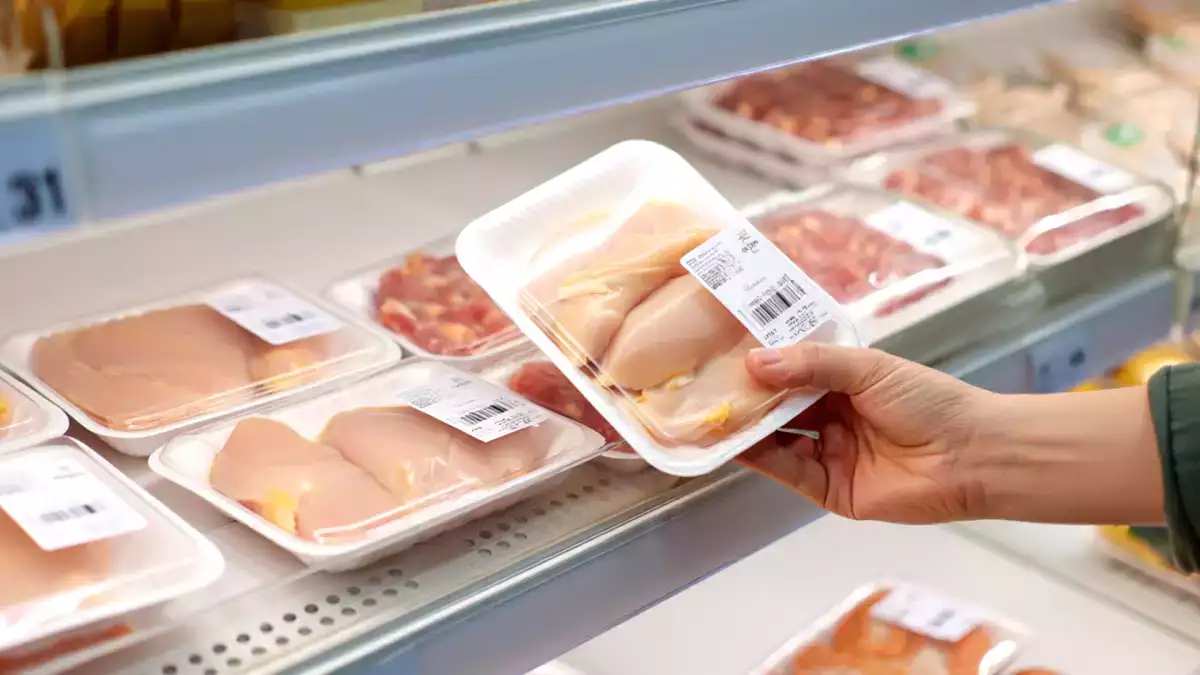
Chicken has become one of the most common foods in the routine of those looking for practicality. It's always there: accessible, versatile and easy to prepare. Precisely because of this, the choice is often made automatically, without much attention to detail.
The most common food... and the most ignored
Chicken has become synonymous with practicality. It is present in the routine of millions of people precisely because it is cheap, easy to prepare and considered a "light" option. But this familiarity has a side effect: we stop questioning it.
Unlike other foods, chicken is rarely looked at closely. Most people grab the first tray available, quickly check the expiry date and move on. But that's exactly where the problem lies.
Because not all chicken is the same, even when it seems to be.
The detail that hardly anyone notices (and which makes all the difference)
There is a silent factor that many people ignore: the appearance of the liquid inside the package.
That excess of water, which many people consider normal, may indicate more than it seems. In some cases, it's related to the preservation process and even the way the product was handled before reaching the shelf.
And this has a direct impact on two things that you notice later:
- the taste
- the texture
Do you know when chicken releases a lot of water in the pan and becomes "rubbery"? That's not just bad luck.
Color deceives more than it helps
Another point that goes unnoticed is the color.
Many people believe that the pinker the color, the better. Others avoid any variation. But the truth is that color alone does not guarantee quality.
Market lighting, the type of cut and even the packaging can completely alter perception. In other words: relying on visuals alone can lead you to some very wrong choices.
Price doesn't always tell the whole story
It's common to think that more expensive chicken is automatically better. But it's not always that simple.
Price differences can involve brand, type of farming, logistics and even market positioning - and not necessarily quality that is perceptible on the plate.
This creates a false sense of security: paying more and thinking you're getting something superior, when there isn't always that much difference in the end result.
Cooking behavior reveals everything
If there's ever a time when the truth comes out, it's in the pan.
Chicken that foams too much, releases too much liquid or shrinks too much is usually a clear sign that something isn't right.
And the curious thing is that many people already notice this... but never connect it to the choice made at the market.
The automatic habit that nobody questions
Perhaps the most important point is not the chicken itself, but the behavior of those who buy it.
Most people repeat the same pattern over and over again:
- take the same brand
- choose automatically
- don't compare
- doesn't observe
And this turns a simple decision into a blind habit.
Once you realize it, you can't "unsee" it
The big turning point comes when you start paying attention to these details.
You don't have to become an expert or completely change your routine. But just the fact of observing better already changes the way you choose and, above all, the result on your plate.
And that's exactly why so many people have the same reaction after discovering all this: They'll never buy chicken the same way again.
 Mirella Mendonça
Comments