This common mistake when making vinaigrette can ruin everything (and here's how to avoid it)
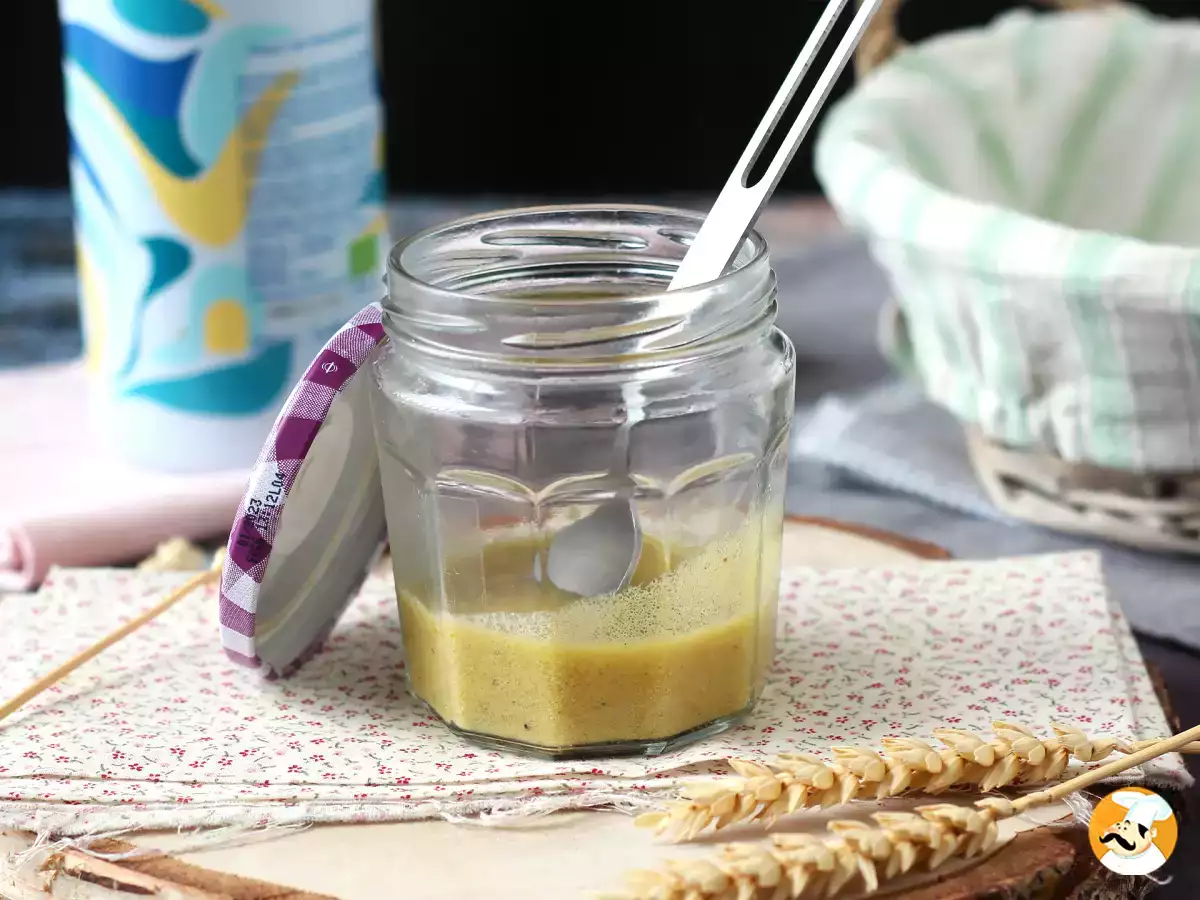
Vinaigrette is one of the basics of cooking. A few ingredients, a few seconds of preparation... and you've got a salad that's ready to eat. However, despite its apparent simplicity, the result is often not what you expect: a dressing that's too acidic, too oily or that separates immediately.
In fact, many people make a very common mistake when preparing vinaigrette, without even realizing it. Fortunately, understanding the right gesture is all it takes to obtain a perfectly balanced, well emulsified vinaigrette.
Here's what can go wrong with your vinaigrette... and how to make it right every time.
The most common mistake: adding oil too soon
When preparing a vinaigrette, the reflex is often to pour all the ingredients into a bowl and then mix quickly.
But vinaigrette is based on a simple principle: a good emulsion between the acidic ingredients and the oil.
And this is precisely where many people go wrong.
The most common mistake is to add the oil before the vinegar and mustard have been thoroughly mixed.
But mustard plays an essential role: it acts as a binder, helping the oil and vinegar to blend.
If the oil is incorporated too early, the sauce separates easily and the texture becomes less homogeneous.
The right method for a successful vinaigrette
For a well-balanced, slightly creamy vinaigrette, just follow a few simple steps.
In a bowl or salad bowl :
- start by pouring in the vinegar
- add the mustard
- season with salt and pepper
- mix well
Once these ingredients are well incorporated, you can add the oil gradually.
The oil should always be added last, to ensure a well-bound vinaigrette.
Whisk vigorously to create the emulsion.
The right proportions for a balanced vinaigrette
To make a successful vinaigrette, you also need to respect the right proportions.
The classic rule is :
- 1 part vinegar
- 3 parts oil
This produces a balanced dressing, neither too acidic nor too fatty.
You can then adjust to taste.
The trick to a perfectly homogenous vinaigrette
If you want a really well-mixed vinaigrette, there's a very simple trick.
You can prepare it directly in a small jar with a lid.
Add the ingredients, close the jar and shake vigorously for a few seconds.
This method produces a perfectly emulsified vinaigrette.
Which oil to choose?
The choice of oil also plays an important role in the final taste of the dressing.
Among the most commonly used oils
- olive oil (fruity taste)
- sunflower oil (neutral taste)
- walnut oil (more intense flavor)
- rapeseed oil (rich in omega-3)
You can also mix several oils to obtain a more complex flavor.
How to personalize a vinaigrette?
Once you've mastered the basics, you can easily customize your vinaigrette.
For example, you can add :
- fresh herbs
- honey
- a squeeze of lemon
- finely chopped shallots
- or even a touch of yoghurt
These little touches can be used to vary flavours and accompany different types of salad.
A simple sauce that changes everything
Vinaigrette is the detail that can completely transform a salad. Properly executed, it adds depth and balances the flavors of the ingredients.
By avoiding the mistake of adding oil too soon, and following a few simple steps, you'll easily obtain a perfectly bound, tasty and well-balanced homemade vinaigrette.
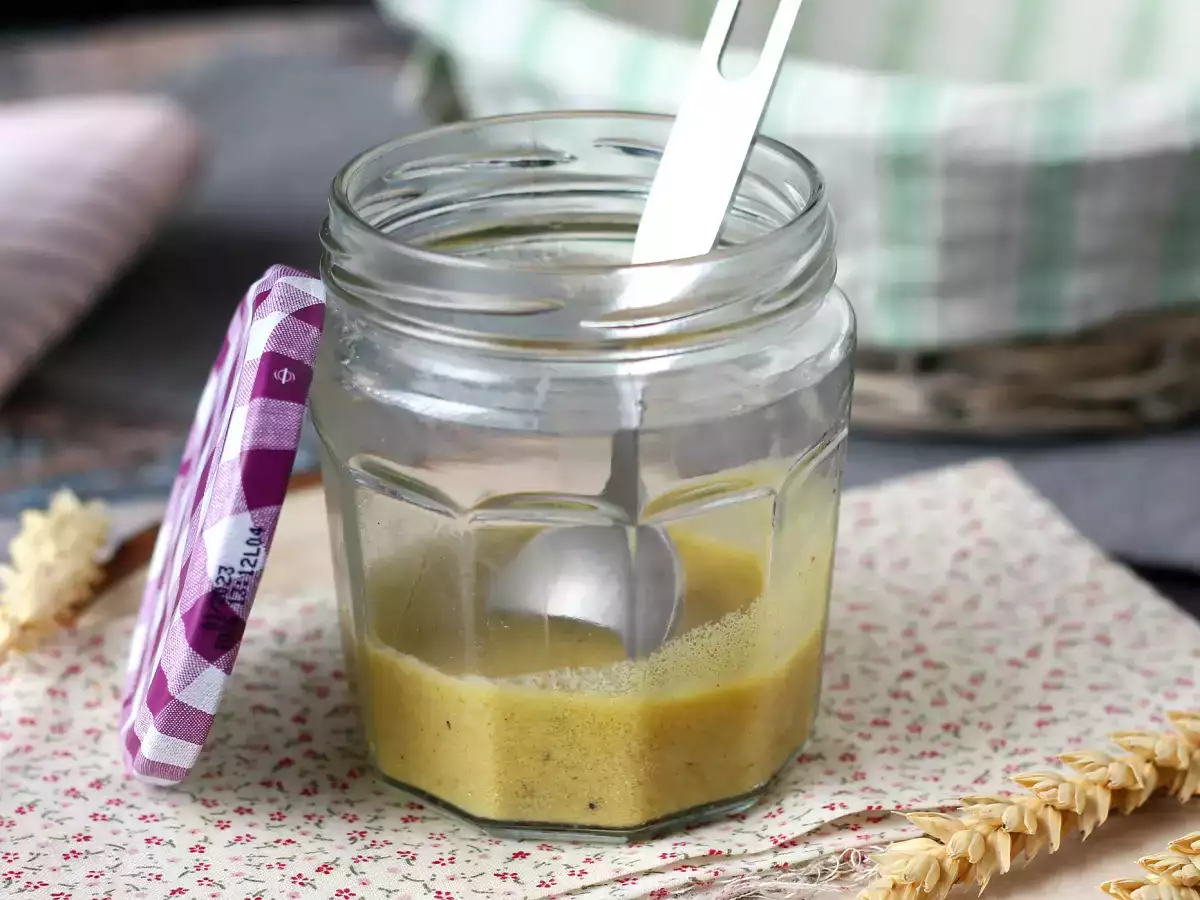
The homemade vinaigrette recipe is clearly a must-have to accompany all our favorite salads . Easy to prepare with basic ingredients that we all have in our cupboards: olive oil, mustard, vinegar, this vinaigrette will enhance your salads for the...
 Adèle Peyches
Comments