Ultra-processed foods: what science confirms today (and why the subject is becoming urgent)
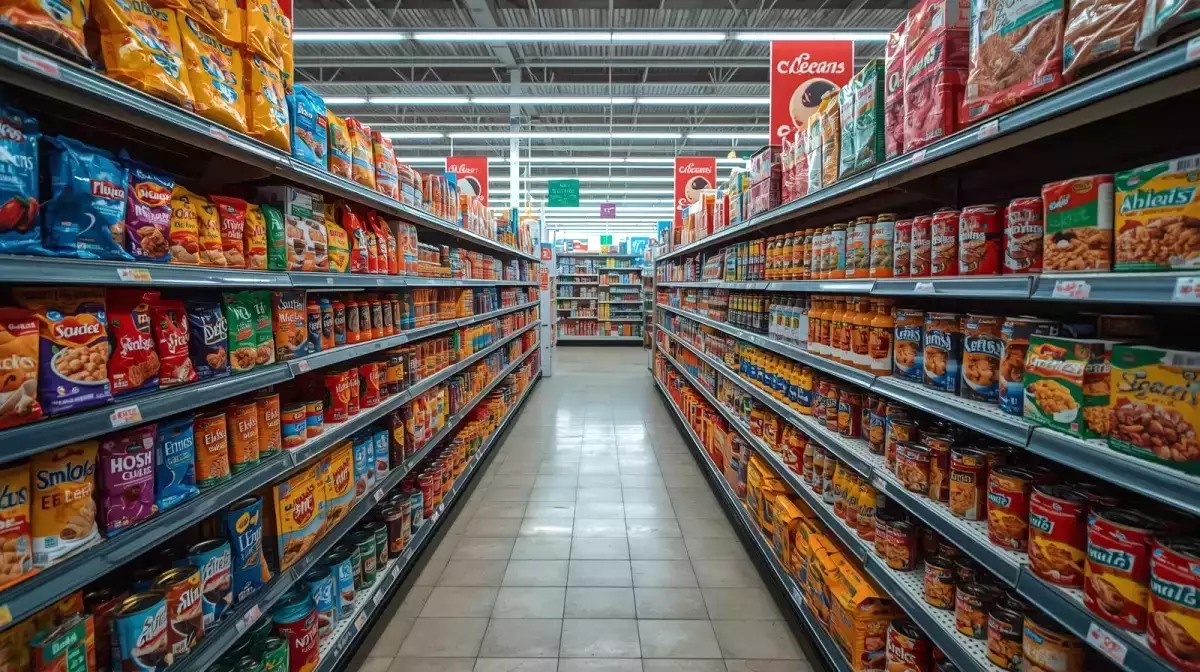
Ultra-processed foods are everywhere in American kitchens—boxes in the pantry, bottles in the fridge, grab-and-go snacks in the car, “just heat and eat” dinners in the freezer. They’re convenient, cheap, and often engineered to be very appealing. But behind that convenience is a reality the research is now spelling out pretty clearly.
So… what exactly are “ultra-processed foods”?
The most widely used definition comes from the NOVA classification, developed by researchers in Brazil and now used in hundreds of studies and by organizations like WHO and FAO.
According to NOVA, ultra-processed foods (UPFs):
- are industrial formulations, not just “simple” processed foods,
- use ingredients you’d almost never use in a home kitchen, such as:
- protein isolates
- hydrogenated or interesterified oils
- high-fructose corn syrup or glucose-fructose syrup
- modified starches
- contain multiple “cosmetic” additives, like:
- emulsifiers
- artificial sweeteners
- colors and flavorings
- texture agents and foaming agents
- are designed to be hyper-convenient and hyper-palatable, with long shelf-life and low cost.
Think: soft drinks, packaged cookies and cakes, many breakfast cereals and snack bars, frozen entrées, instant noodles, flavored chips, a lot of fast food and “heat & eat” products.
The aim isn’t just to feed you; it’s to optimize cost, shelf-life, and appeal.
How big is the ultra-processed footprint in American diets?
Pretty big.
- A recent CDC report using NOVA found that between 2021 and 2023, 55% of total calories in the U.S. came from ultra-processed foods.
- Children and teens get nearly 62% of their calories from UPFs; adults around 53%.
- An international review led by Inserm/INRAE scientists notes that UPFs account for about 35% of calories in France; but up to 60% in the United States.
In other words, in the U.S., ultra-processed foods aren’t just “occasional treats”, they’re the core of the average diet.
What did The Lancet series actually find?
The first paper in the Series pulled together:
- a systematic review of 104 prospective studies from multiple countries,
- plus original analyses and meta-analyses.
Result: 92 out of 104 studies found that higher ultra-processed intake was associated with an increased risk of one or more chronic health outcomes.
The most consistent associations were with:
- overweight and obesity
- type 2 diabetes
- hypertension and dyslipidemia
- cardiovascular disease and cardiovascular mortality
- chronic kidney disease
- certain cancers (supported by earlier work)
- depression and poorer mental-health indicators
- all-cause premature mortality
The authors note that the overall risk signal for high vs. low UPF intake is of similar magnitude (though in the opposite direction) to the protective effect of a Mediterranean-type diet.
These are mostly observational data, so they show strong links rather than perfect proof of cause and effect, but the pattern is strikingly consistent across countries, age groups, and study designs.
Why might ultra-processed foods be harmful?
Researchers don’t think it’s just “calories” or “sugar” in isolation. Several mechanisms seem to stack up:
Overeating by design
UPFs are engineered to be extremely palatable, easy to chew, and easy to overconsume (soft textures, strong flavors, little need to cook or clean up). That can short-circuit normal satiety cues and push overall energy intake higher.
Nutritional imbalance
On average, UPFs:
- are higher in added sugars, refined starches, sodium, and saturated fats,
- lower in fiber, micronutrients, and protective plant compounds.
Additives and processing byproducts
Emulsifiers, some sweeteners, colorants, and compounds formed during high-temperature processing, as well as chemicals migrating from packaging, are being investigated for potential effects on:
- gut microbiota
- systemic inflammation
- metabolic regulation
Disrupted food “matrix”
Heavy processing can destroy the original structure of foods, altering how quickly we absorb sugars and fats, and how full we feel.
Satiation and satiety signals
Soft, calorie-dense foods that you can eat quickly may lead to more calories before the body’s “I’m full” signals kick in.
The French NutriNet-Santé cohort and other large studies have been central in teasing apart these factors and showing that UPF intake predicts health outcomes even after adjusting for traditional nutrients like sugar, fat, or salt.
This isn’t just about personal willpower
A big point from the Lancet authors: you can’t frame this only as an individual responsibility issue.
They argue that:
- Ultra-processed products are deeply embedded in modern food systems—cheap, everywhere, heavily advertised.
- Industry actors have strong incentives to:
- keep these products central to the food supply,
- fund or promote doubt about the evidence,
- lobby against stricter regulation and clearer labeling.
Globally, the ultra-processed food sector represents hundreds of billions to nearly two trillion dollars in annual revenue; in the U.S., many of the largest food and beverage corporations derive the majority of their sales from UPF portfolios.
So telling people to “just make better choices” while the cheapest, most visible, most advertised calories are ultra-processed is… incomplete at best.
What solutions are scientists putting on the table?
The Series and related reports propose a set of policy levers. Adapted to the U.S. context, these look like:
Better information for consumers
- Explicitly flag ultra-processed products on labels, not just calories and macros.
- Experiment with front-of-pack labels that integrate degree of processing, not only nutrient scores (building on or going beyond things like Nutri-Score used in Europe).
Shaping the food environment
- Restrict marketing and advertising of UPFs to children, especially for sugary drinks, snacks, and fast food.
- Limit UPFs in schools, hospitals, and other public institutions, replacing them with minimally processed options.
- Use zoning, shelf-placement rules, or fiscal tools (taxes/subsidies) to reduce the dominance of UPFs in supermarkets.
Transforming the food system upstream
The authors emphasize that “reformulating” UPFs by just cutting sugar or salt isn’t enough if the overall ultra-processed model remains intact.
That means:
- supporting agricultural and food policies that favor whole and minimally processed foods,
- incentivizing industry to develop convenient products that use recognizable ingredients and simpler processing,
- aligning new U.S. dietary guidelines (which already warn about “highly processed foods”) with concrete actions on labeling, procurement, and marketing.
What does this mean for you, practically?
This is big-picture public health, but it does come back to everyday choices. The good news is, the message isn’t “eat perfectly” or “never touch a packaged food again.” It’s more like:
Make the base of your diet:
- fruits & vegetables
- beans, lentils, and other legumes
- whole or minimally processed grains
- nuts and seeds
- basic dairy, eggs, fish, meat or plant proteins as you prefer
Use ultra-processed products as the exception, not the default; especially sugary drinks, candies, packaged pastries, chips, instant noodles, and many frozen entrées.
When you do buy packaged foods, favor:
- short ingredient lists, with things you recognize,
- products closer to “simple processed” (plain yogurt, canned beans, frozen vegetables, traditional breads) rather than complex formulations.
From the scientific side, the signal is now pretty consistent: diets dominated by ultra-processed foods are linked to higher risks of a long list of chronic diseases and earlier death.
The challenge (and the opportunity) for the U.S. over the next few years will be to turn that knowledge into environments where the easiest choice is also the less processed one, instead of the other way around.
 Adèle Peyches
Comments