What people learned about how canned sardines are made left many surprised: the truth revealed
Wednesday 9 September 2026 10:00 - Mirella Mendonça
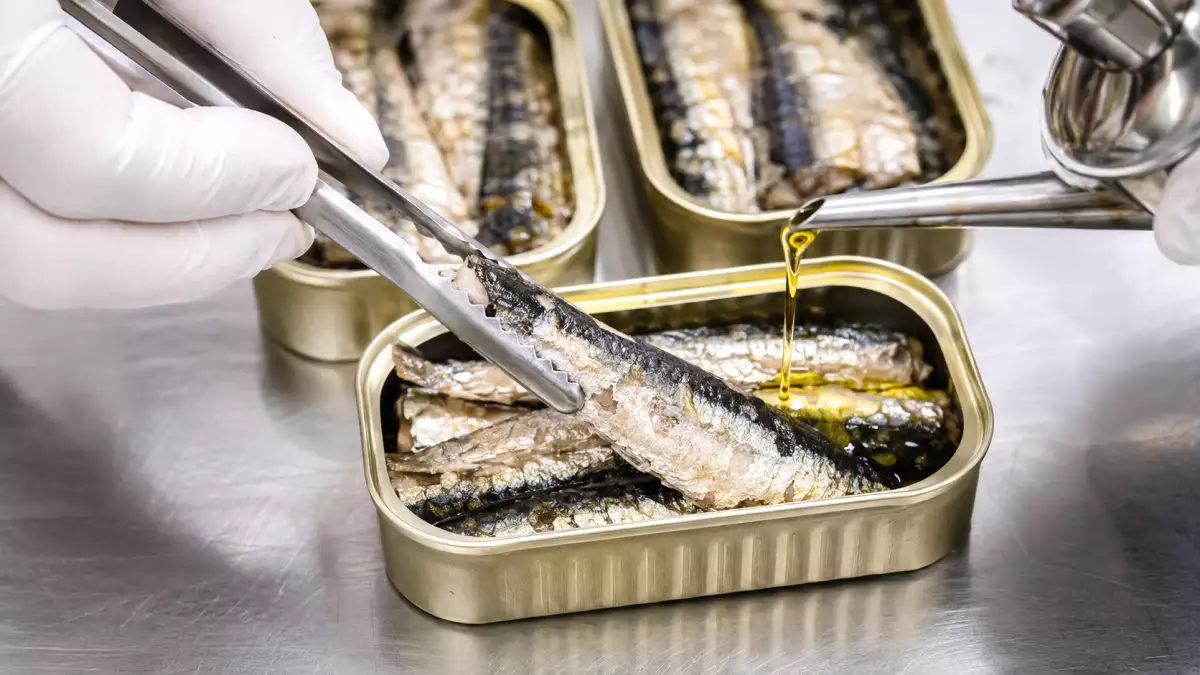
But many people are surprised to discover how they’re made. The process isn’t simply a matter of putting raw fish into a can. Before reaching the market, sardines undergo sorting, cleaning, cooking, canning, hermetic sealing, and heat treatment—steps designed to preserve the food and reduce microbiological risks.
This helps explain why canned sardines can last so long when unopened and, at the same time, remain a good source of protein, omega-3, vitamin B12, selenium, and (when eaten with bones) calcium.
Canned sardines aren't just "fish in a can"
The first surprise is realizing that canned sardines are the result of a controlled process. The sardines arrive at the processing plant, where they are inspected, cleaned, and prepared before being packaged.
Depending on the manufacturer and the type of product, they may be cooked before canning or undergo heat treatment inside the can. Then, they are covered with oil, tomato sauce, water, brine, or another liquid.
The goal is to create a safe, stable product with a consistent flavor that can be stored for months or years in the pantry as long as the can remains intact and within its expiration date.
Depending on the manufacturer and the type of product, they may be cooked before canning or undergo heat treatment inside the can. Then, they are covered with oil, tomato sauce, water, brine, or another liquid.
The goal is to create a safe, stable product with a consistent flavor that can be stored for months or years in the pantry as long as the can remains intact and within its expiration date.
How canned sardines are made, step by step
The process begins with the selection of the raw material. The sardines are selected, washed, and, in general, have their heads, guts, and unwanted parts removed.
Next, they undergo cooking or pre-cooking, a step that enhances texture and flavor and prepares them for canning. The fish are then placed in cans with a covering liquid, which may be oil, tomato sauce, water, or brine.
The cans are then hermetically sealed. The decisive step comes next: controlled heating, known as commercial sterilization, which reduces harmful microorganisms and ensures the sealed product has a long shelf life.
Next, they undergo cooking or pre-cooking, a step that enhances texture and flavor and prepares them for canning. The fish are then placed in cans with a covering liquid, which may be oil, tomato sauce, water, or brine.
The cans are then hermetically sealed. The decisive step comes next: controlled heating, known as commercial sterilization, which reduces harmful microorganisms and ensures the sealed product has a long shelf life.
Why does it last so long without needing excessive preservatives?
The long shelf life of canned sardines stems mainly from the combination of the sealed can, the absence of air inside, and heat treatment. When the process is done correctly, the food remains protected from external contamination until the can is opened.
That’s why a sealed can can be kept out of the refrigerator. The secret lies not in “mysterious chemistry,” but in preservation technology: heat, proper packaging, and safety controls.
Once opened, however, the story changes. The sardines should be transferred to a clean container, kept refrigerated, and consumed quickly, because the protection provided by the unopened can no longer exists.
That’s why a sealed can can be kept out of the refrigerator. The secret lies not in “mysterious chemistry,” but in preservation technology: heat, proper packaging, and safety controls.
Once opened, however, the story changes. The sardines should be transferred to a clean container, kept refrigerated, and consumed quickly, because the protection provided by the unopened can no longer exists.
What a lot of people don't know about pimples
The bones in canned sardines become soft due to heat treatment. In many varieties, they can be eaten along with the fish and are, in fact, one of the reasons this food provides calcium.
This surprises people who usually remove the bones out of habit. In canned sardines, the bones usually fall apart easily and are barely noticeable when chewing.
For those looking to increase their calcium intake without relying solely on dairy products, this is a positive aspect. Still, people with dietary restrictions or specific medical advice should follow the guidance of a healthcare professional.
This surprises people who usually remove the bones out of habit. In canned sardines, the bones usually fall apart easily and are barely noticeable when chewing.
For those looking to increase their calcium intake without relying solely on dairy products, this is a positive aspect. Still, people with dietary restrictions or specific medical advice should follow the guidance of a healthcare professional.
Does it lose all its nutrients in the process?
No. Canned sardines are still a nutritious food. They provide high-quality protein, fats naturally present in the fish, vitamin B12, selenium, and other micronutrients.
Some nutrients may vary depending on the type of can, the liquid used, and the brand. The version with bones tends to be higher in calcium; the version packed in oil may have more calories; the version in sauce may have more sodium or sugar, depending on the manufacturer’s recipe.
The key is to read the label. Canned sardines can be a good choice, but not all cans are created equal.
Some nutrients may vary depending on the type of can, the liquid used, and the brand. The version with bones tends to be higher in calcium; the version packed in oil may have more calories; the version in sauce may have more sodium or sugar, depending on the manufacturer’s recipe.
The key is to read the label. Canned sardines can be a good choice, but not all cans are created equal.
Sardines in oil, water, or sauce: which should you choose?
The best option depends on your goal. Sardines in oil tend to have a more intense flavor and a pleasant texture, but they can increase the calorie content of the serving.
Sardines in water or “au naturel” tend to be lighter, although they aren’t always the easiest to find. Sardines in tomato sauce, on the other hand, can be convenient, but you should pay attention to the sodium content and the list of ingredients.
For a more balanced choice, check three items on the label: sodium content, type of oil or sauce, and drained weight. These details give you a better idea of what you’re actually eating.
Sardines in water or “au naturel” tend to be lighter, although they aren’t always the easiest to find. Sardines in tomato sauce, on the other hand, can be convenient, but you should pay attention to the sodium content and the list of ingredients.
For a more balanced choice, check three items on the label: sodium content, type of oil or sauce, and drained weight. These details give you a better idea of what you’re actually eating.
The most important thing to watch out for: the can
Before purchasing, inspect the packaging. Avoid cans that are bulging, leaking, heavily rusted, or have deep dents, especially at the seams and edges.
The can is an essential part of food safety. If it is compromised, the protection may have been affected. It’s also important to check the expiration date, storage conditions, and the product’s appearance when opening it.
When opening, discard the product if it has an unusual odor, foam, an unusual color change, a suspicious texture, or any signs of spoilage.
The can is an essential part of food safety. If it is compromised, the protection may have been affected. It’s also important to check the expiration date, storage conditions, and the product’s appearance when opening it.
When opening, discard the product if it has an unusual odor, foam, an unusual color change, a suspicious texture, or any signs of spoilage.
What about mercury? Sardines are usually a safer choice.
One of the advantages of sardines is that they are small fish. In general, smaller fish accumulate less mercury than large predators, such as sharks, swordfish, and some types of tuna.
For this reason, sardines are often among the most recommended options for regular consumption, including in guidelines that encourage choosing fish with lower mercury levels.
Even so, pregnant women, nursing mothers, children, and people with specific dietary restrictions should follow professional recommendations regarding frequency, portion size, and variety of fish.
For this reason, sardines are often among the most recommended options for regular consumption, including in guidelines that encourage choosing fish with lower mercury levels.
Even so, pregnant women, nursing mothers, children, and people with specific dietary restrictions should follow professional recommendations regarding frequency, portion size, and variety of fish.
The weak point: sodium
The main nutritional concern with canned sardines is usually sodium. Some varieties contain a lot of salt, especially those packed in sauce or brine.
People with high blood pressure, kidney disease, fluid retention, or who have been advised to reduce their salt intake should compare brands and prioritize varieties with lower sodium content.
It also helps to drain some of the liquid from the can and balance the meal with natural foods, such as vegetables, salads, rice, beans, or root vegetables, without adding excessive amounts of salt.
People with high blood pressure, kidney disease, fluid retention, or who have been advised to reduce their salt intake should compare brands and prioritize varieties with lower sodium content.
It also helps to drain some of the liquid from the can and balance the meal with natural foods, such as vegetables, salads, rice, beans, or root vegetables, without adding excessive amounts of salt.
The bottom line: it may be healthier than it seems
Canned sardines are surprising because they combine convenience, affordability, and good nutritional density. Although they are a processed food, they do not fall into the same category as many ultra-processed foods that are low in nutrients.
When chosen with careful attention to the label and consumed as part of a varied diet, they can be a practical source of protein, omega-3, B12, and calcium.
The best way to view it is with balance: it’s not a miracle food, nor is it the villain. It’s a traditional preserved food, safe when properly manufactured and stored, and one that can make it easier to prepare nutritious meals on a daily basis.
When chosen with careful attention to the label and consumed as part of a varied diet, they can be a practical source of protein, omega-3, B12, and calcium.
The best way to view it is with balance: it’s not a miracle food, nor is it the villain. It’s a traditional preserved food, safe when properly manufactured and stored, and one that can make it easier to prepare nutritious meals on a daily basis.
 Mirella Mendonça
I am the editorial manager at Petitchef (Portugal and Brazil) and a huge enthusiast of travel and world cuisine, always in search of new flavors and experiences. However, as much as I love exploring the delights of different cultures, my mom's cooking will always be my favorite — with that unique flavor that only she can create.
Comments