Why Japanese bentos look so neat: the techniques that make all the difference
Tuesday 29 September 2026 17:00 - Juliette Hess
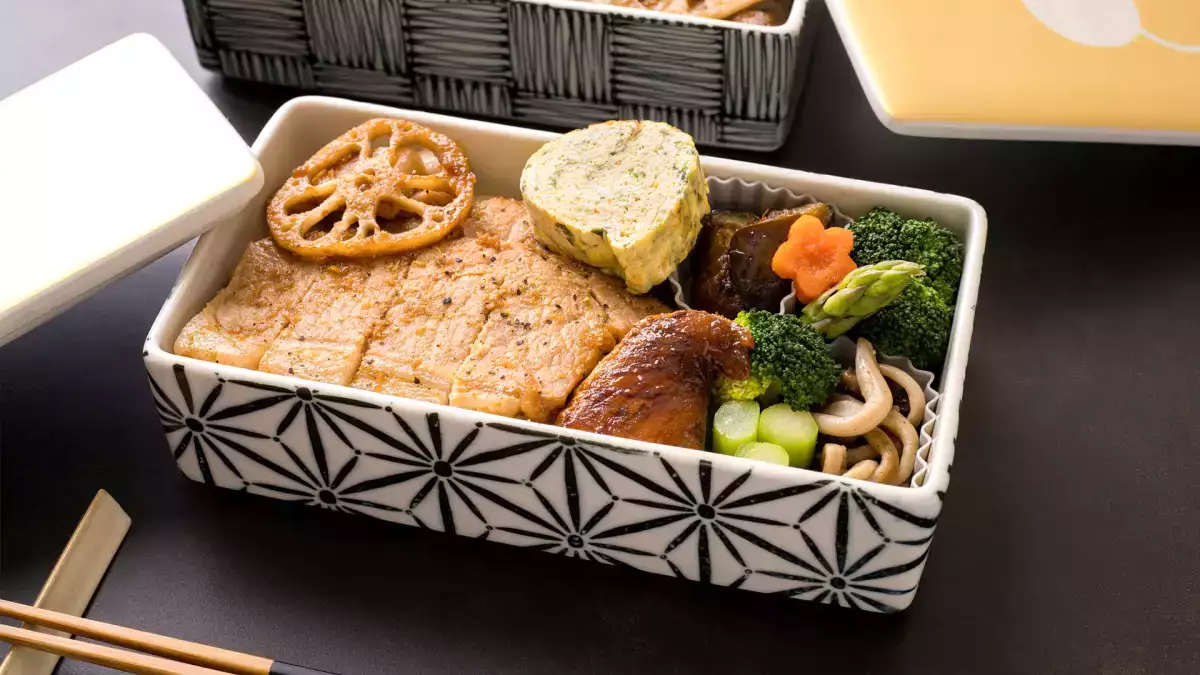
Whether you are packing lunch for work, school, a picnic or a busy day out, these golden rules will help you avoid the classic bento problems: soggy food, empty gaps, bland flavors, leaking sauces and boxes that look sad by lunchtime. With a little planning, your bento can become a practical, colorful and joyful meal.
Start with the 3-2-1 balance
One of the easiest ways to build a successful bento is to think in simple proportions. A traditional approach is close to a 3-2-1 balance: three parts carbohydrates, two parts protein and one part vegetables or sides. You do not need to measure everything exactly, but this rule gives your lunch box structure.
For example, rice, noodles, potatoes or grains can form the filling base. Eggs, tofu, chicken, fish, beans or cheese can bring protein. Vegetables, pickles, fruit or salad-style sides add freshness. The result is a bento that feels complete, not just a random mix of leftovers.
For example, rice, noodles, potatoes or grains can form the filling base. Eggs, tofu, chicken, fish, beans or cheese can bring protein. Vegetables, pickles, fruit or salad-style sides add freshness. The result is a bento that feels complete, not just a random mix of leftovers.
Use color as a guide to variety
In Japanese bento culture, color is not only decorative. It is a quick way to create a lunch that looks appetizing and feels varied. Aim for a mix of white, green, yellow, red and brown when possible.
Rice or potatoes can bring white or pale tones, leafy vegetables add green, eggs or corn add yellow, tomatoes or peppers add red, and grilled or roasted foods add golden-brown depth. This color method helps you avoid a flat-looking meal and naturally encourages a wider range of ingredients.
Rice or potatoes can bring white or pale tones, leafy vegetables add green, eggs or corn add yellow, tomatoes or peppers add red, and grilled or roasted foods add golden-brown depth. This color method helps you avoid a flat-looking meal and naturally encourages a wider range of ingredients.
Pack tightly, but never crush
A good bento should be packed with no large empty spaces. Gaps let food move around, which can make the box messy by lunchtime. The Japanese technique is to pack foods snugly, using small sides, lettuce leaves, silicone cups or vegetables to fill spaces.
The trick is to keep everything stable without pressing too hard. Soft foods such as omelet, rice balls or cooked vegetables should stay intact. Think of it as building a small edible puzzle: each item supports the others, and the box opens looking almost the same as when you packed it.
The trick is to keep everything stable without pressing too hard. Soft foods such as omelet, rice balls or cooked vegetables should stay intact. Think of it as building a small edible puzzle: each item supports the others, and the box opens looking almost the same as when you packed it.
Separate wet and dry foods
One of the fastest ways to ruin a bento is moisture. Saucy dishes, juicy fruit and dressed salads can make rice, breaded foods or crisp vegetables turn soggy. The solution is simple: keep wet foods separated from dry foods.
Use small containers for sauces, vinaigrettes or dips. Place juicy ingredients in cups, or drain them well before packing. If you include pickles, tomatoes or fruit, keep them away from crispy items. This small habit helps your bento stay fresh, clean and enjoyable.
Use small containers for sauces, vinaigrettes or dips. Place juicy ingredients in cups, or drain them well before packing. If you include pickles, tomatoes or fruit, keep them away from crispy items. This small habit helps your bento stay fresh, clean and enjoyable.
Master the rice base
Rice is one of the classic foundations of bento, and it works best when it is treated with care. Let cooked rice cool before closing the box, because trapped steam can create condensation. For easier eating, you can shape rice into onigiri, small portions or compact layers.
Seasoning also matters. A sprinkle of sesame, furikake-style seasoning, herbs, seaweed pieces or a tiny amount of sauce can turn plain rice into something more exciting. The aim is not to overload it, but to make each bite feel intentional.
Seasoning also matters. A sprinkle of sesame, furikake-style seasoning, herbs, seaweed pieces or a tiny amount of sauce can turn plain rice into something more exciting. The aim is not to overload it, but to make each bite feel intentional.
Think in bite-size pieces
A bento is meant to be practical. Foods that are already cut into bite-size portions are easier to eat, especially away from home. This is why sliced omelets, small patties, vegetable sticks, mini skewers, rolled wraps and compact rice balls work so well.
Bite-size packing also improves the look of the box. Small pieces create rhythm, allow more variety and make it easier to arrange the meal neatly. It also means you can enjoy different flavors without needing a knife or extra preparation.
Bite-size packing also improves the look of the box. Small pieces create rhythm, allow more variety and make it easier to arrange the meal neatly. It also means you can enjoy different flavors without needing a knife or extra preparation.
Use contrast: soft, crisp, savory and fresh
A memorable bento is not only about ingredients; it is about texture contrast. Combine something soft, something crisp, something savory and something fresh. This could mean rice with a tender omelet, crunchy cucumber, roasted vegetables and a small fruit portion.
Contrast keeps the meal lively. If everything is soft, the lunch can feel heavy. If everything is dry, it can feel boring. A balanced bento gives your mouth little changes from bite to bite, which makes even a simple lunch more satisfying.
Contrast keeps the meal lively. If everything is soft, the lunch can feel heavy. If everything is dry, it can feel boring. A balanced bento gives your mouth little changes from bite to bite, which makes even a simple lunch more satisfying.
Cool food before closing the lid
This rule is essential: let cooked foods cool before closing your bento. Hot food releases steam, and steam becomes water droplets inside the box. That can affect texture and freshness. A few minutes of cooling helps protect the whole meal.
For a safer and more pleasant lunch, pack foods once they are no longer hot, close the lid properly and keep the bento chilled if needed. This is especially important when the box contains eggs, meat, fish, dairy or cooked grains.
For a safer and more pleasant lunch, pack foods once they are no longer hot, close the lid properly and keep the bento chilled if needed. This is especially important when the box contains eggs, meat, fish, dairy or cooked grains.
Add one tiny surprise
The most charming bentos often include one small detail that makes lunch feel special: a few sesame seeds, a bright pickle, a small piece of fruit, a mini dessert, a folded omelet slice or a neat garnish. This little touch does not need to be complicated.
The idea is to create a box that feels cared for. Even a weekday bento can become more inviting with one colorful, crunchy or flavorful accent. That is often what turns a practical packed lunch into something you genuinely look forward to.
The idea is to create a box that feels cared for. Even a weekday bento can become more inviting with one colorful, crunchy or flavorful accent. That is often what turns a practical packed lunch into something you genuinely look forward to.
The bento mindset: simple, balanced and ready to travel
The best Japanese-inspired bento techniques are not about making food look perfect for a photo. They are about making lunch balanced, portable, pleasant and easy to eat. Once you understand the basics — proportion, color, texture, separation and tight packing — you can adapt them to almost any cuisine.
Use what you already have: leftover rice, roasted vegetables, boiled eggs, cooked chicken, tofu, potatoes, salad ingredients or fruit. With the right arrangement, yesterday's leftovers can become a beautiful bento that feels fresh, organized and delicious.
Use what you already have: leftover rice, roasted vegetables, boiled eggs, cooked chicken, tofu, potatoes, salad ingredients or fruit. With the right arrangement, yesterday's leftovers can become a beautiful bento that feels fresh, organized and delicious.
 Juliette Hess
I have been creating culinary content for Petitchef since 2017.
I love travelling and discovering new dishes, trying out new food trends and exploring new restaurants.
I’m a huge fan of pasta and noodles in all their forms ❤ from udon noodles to tagliatelle, I love cooking them and even making them from scratch!
I’m currently preparing, filming and photographing your next recipe, and I hope you’ll enjoy it!
I love travelling and discovering new dishes, trying out new food trends and exploring new restaurants.
I’m a huge fan of pasta and noodles in all their forms ❤ from udon noodles to tagliatelle, I love cooking them and even making them from scratch!
I’m currently preparing, filming and photographing your next recipe, and I hope you’ll enjoy it!
Comments