13 simple tips for homemade applesauce with the perfect flavor and texture
Saturday 14 November 2026 10:00 - Patricia González
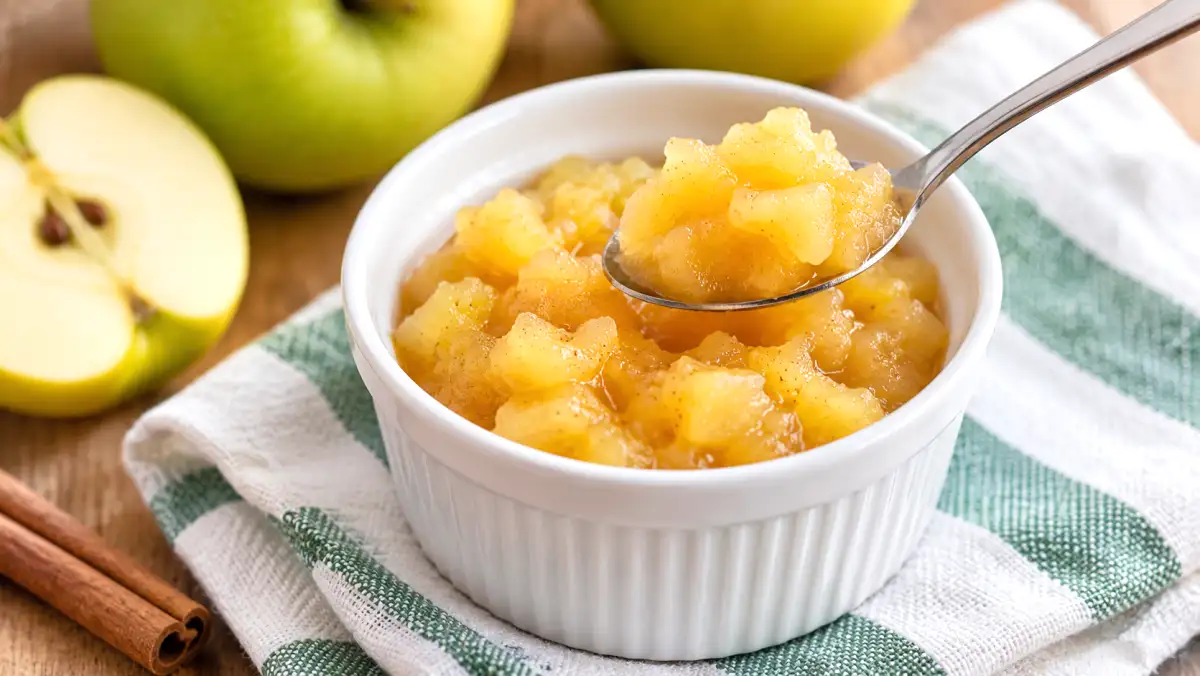
Good homemade applesauce doesn't need a long ingredient list. What matters is the apples you choose, the amount of water you add and when you stop cooking. Whether you like yours chunky, silky smooth or spooned beside a pork roast, these 13 little tricks make all the difference.
1. Mix apple varieties for a more interesting flavor
A pot made entirely with very sweet apples can taste a little flat. Try combining Golden Delicious or Fuji with a tarter Granny Smith. Honeycrisp also works beautifully when you want a fresh apple flavor.
There's no perfect ratio: taste the apples first and let that guide you. And while a slightly bruised apple is fine once you trim the damaged spot, discard fruit that's moldy or rotten. Cooking doesn't turn spoiled fruit into a good ingredient.
There's no perfect ratio: taste the apples first and let that guide you. And while a slightly bruised apple is fine once you trim the damaged spot, discard fruit that's moldy or rotten. Cooking doesn't turn spoiled fruit into a good ingredient.
2. Cut evenly and start with much less water than you think
Wash and core the apples, then peel them if you prefer a completely smooth finish. Cut them into roughly ¾- to 1-inch pieces. Similar sizes soften at a similar pace, rather than leaving you with half-mushy, half-crunchy fruit.
For about 2 pounds of prepared apples, start with just ¼ to ⅓ cup water in a heavy-bottomed saucepan. Apples release their own juice as they cook. If you pour in enough water to cover them, you'll spend ages boiling it away and lose some of that lovely flavor.
Keep a spoon nearby and add an extra tablespoon of water only if the bottom looks too dry. It's always easier to add liquid than remove it.
3. Use gentle heat and uncover only when needed
Start over medium-low heat with the lid on. The trapped steam helps soften the apples, while an occasional stir keeps the pieces from catching on the bottom. You want a gentle simmer, not a fierce boil.
Once the fruit is tender, look at the saucepan. Is there a pool of liquid at the bottom? Remove the lid and let it bubble gently for a few more minutes, stirring so nothing sticks. If the apples are already nicely spoonable, turn off the heat. No need to cook away flavor just because a timer says so.
Once the fruit is tender, look at the saucepan. Is there a pool of liquid at the bottom? Remove the lid and let it bubble gently for a few more minutes, stirring so nothing sticks. If the apples are already nicely spoonable, turn off the heat. No need to cook away flavor just because a timer says so.
4. Taste before adding sugar, lemon or spices
Here's a little secret: ripe apples may need no added sugar at all. Wait until the fruit has softened, taste a slightly cooled spoonful and only then decide. If it's too tart, add a small spoonful of sugar and try again.
If the flavor tastes dull rather than tart, a teaspoon of lemon juice can brighten a batch made with about 2 pounds of apples. Add it gradually; the goal is to taste more apple, not lemon.
Cinnamon, vanilla, orange zest or a pinch of cardamom can be lovely, but choose one or two. Too many spices will overwhelm the fruit. And for applesauce served with roast pork, you might prefer no sweet spices at all.
Feeling curious? Try a tiny pinch of salt in one spoonful before seasoning the whole pot. It can make the sweetness seem more distinct, but the sauce should never taste salty.
5. Stop cooking at the right moment, then choose your texture
Most batches soften in roughly 15 to 30 minutes, depending on the variety, how ripe the apples are and how big you cut them. Test with a fork: if it slides in easily, you're ready to decide on the texture.
For rustic applesauce, mash some pieces with a fork while leaving others intact. Want the classic smooth version? Use a potato masher, food mill or immersion blender. Blend briefly and carefully, especially while the mixture is hot.
Remember that you can always make chunky applesauce smoother, but you can't put the pieces back after blending. We know the temptation to keep going! Resist it if you want a little bite.
6. Make the last adjustments after a short rest
Before calling it done, taste a small spoonful once it's cool enough to eat. Check sweetness, acidity and thickness. Too runny? Cook uncovered a little longer. Too thick? Stir in a splash of water. Too sweet? A few drops of lemon may restore balance.
Then give the applesauce a short rest. It often thickens as it cools, thanks partly to the fruit's natural pectin. If you reduce it until it's very thick while piping hot, you may end up with something closer to apple butter once it cools.
Serve it warm over pancakes, cold with yogurt or alongside a savory roast. A simple homemade batch can do quite a lot!
7. Store it safely and don't confuse a jar with a preserve
If you're not eating the applesauce straight away, divide it among clean, shallow containers and refrigerate promptly. Don't leave cooked fruit out for hours while you tidy the kitchen. Keep the refrigerator at 40°F or below and refrigerate leftovers within two hours.
For best quality, plan to eat refrigerated applesauce within a few days, or freeze portions for later. Label each container so you know when you made it.
One last thing: closing a jar does not make homemade applesauce shelf-stable. Safe pantry storage requires a tested canning method, including the proper processing time and any adjustments for altitude. A pretty jar with a lid is wonderful for the fridge, but it isn't a shortcut to preservation.
There you go: better applesauce without a complicated recipe. A little attention to the fruit, a gentle simmer and a taste before serving; that's the whole trick. Now, who wants the first spoonful? ;-)
 Patricia González
Passionate about cooking and good food, my life revolves around carefully chosen words and wooden spoons. Responsible, yet forgetful. I am a journalist and writer with years of experience, and I found my ideal corner in France, where I work as a writer for Petitchef. I love bœuf bourguignon, but I miss my mother's salmorejo. Here, I combine my love for writing and delicious flavors to share recipes and kitchen stories that I hope will inspire you. I like my tortilla with onions and slightly undercooked :)
Comments