Ultra-creamy french pastry flan: an easy, foolproof recipe
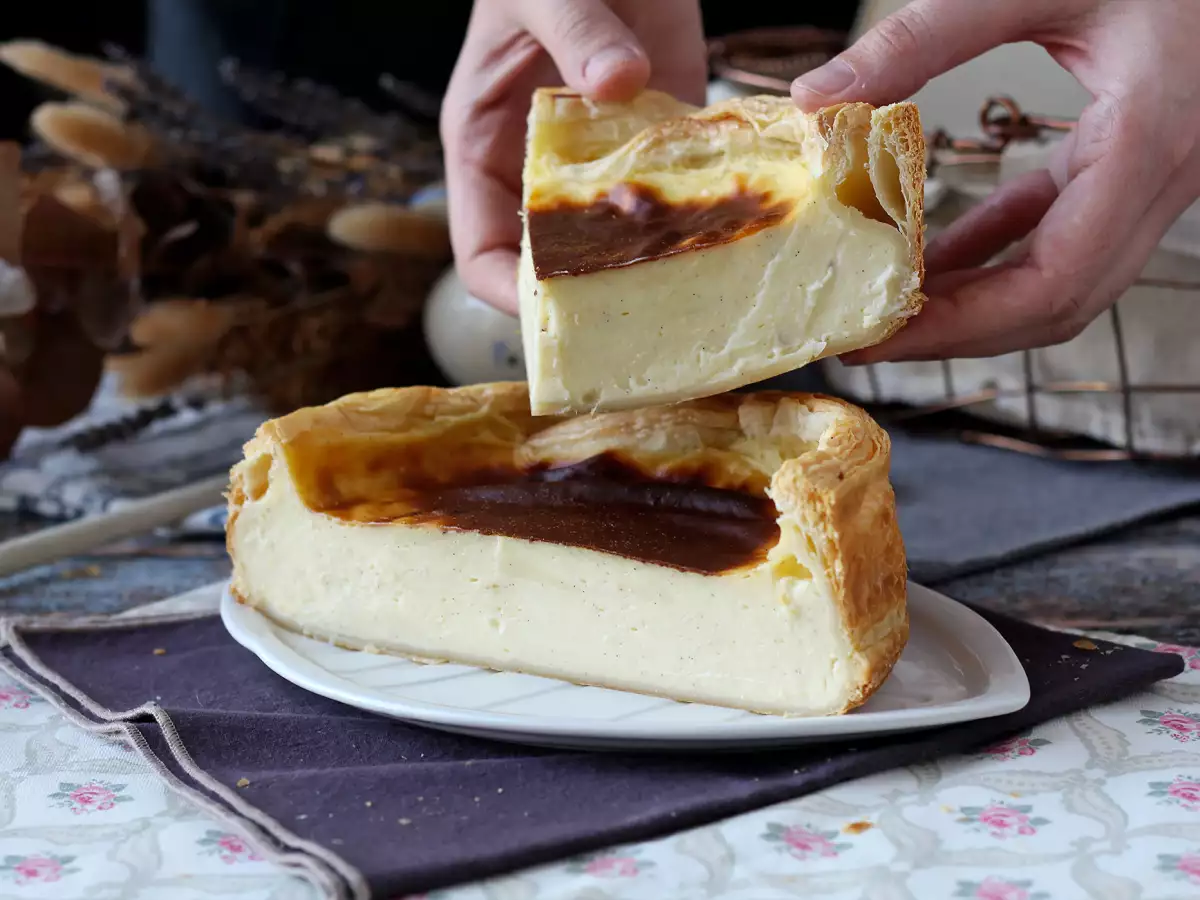
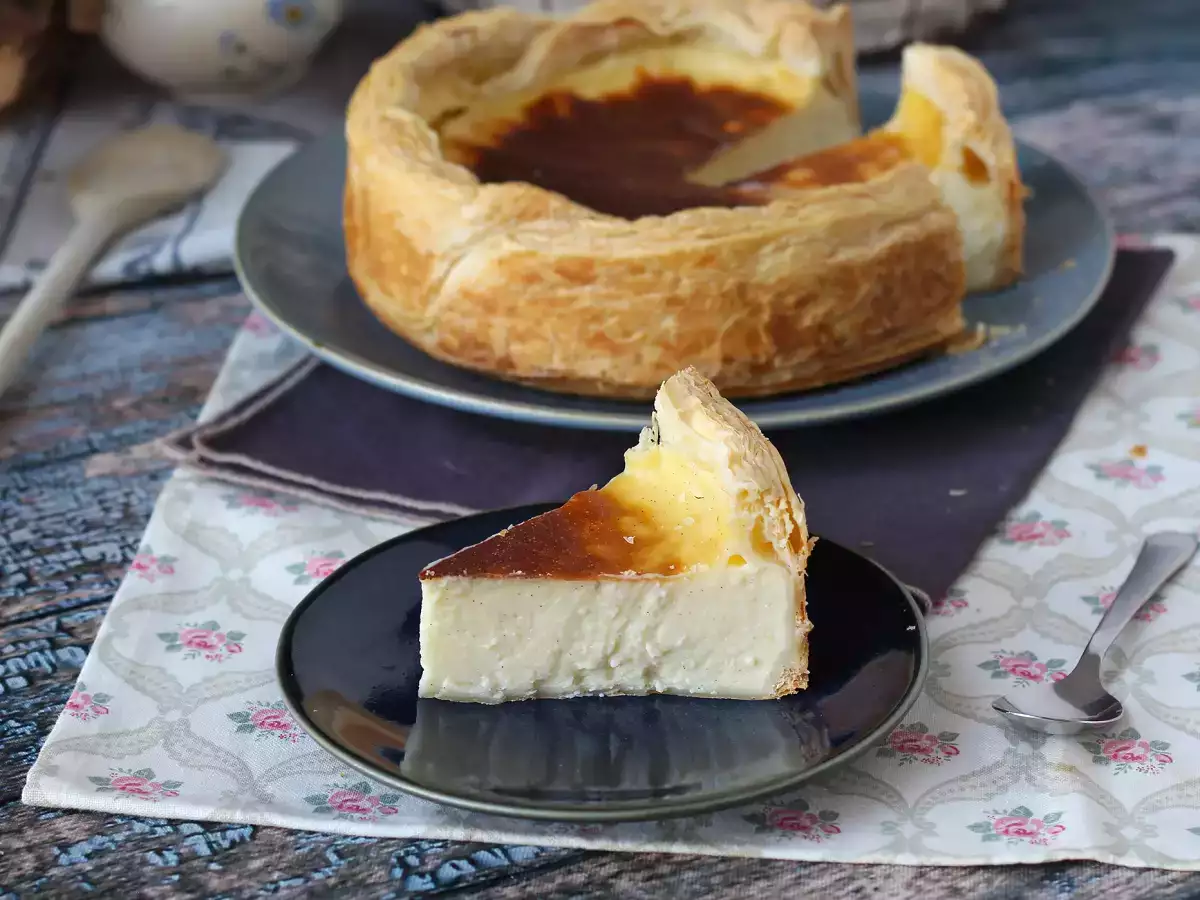
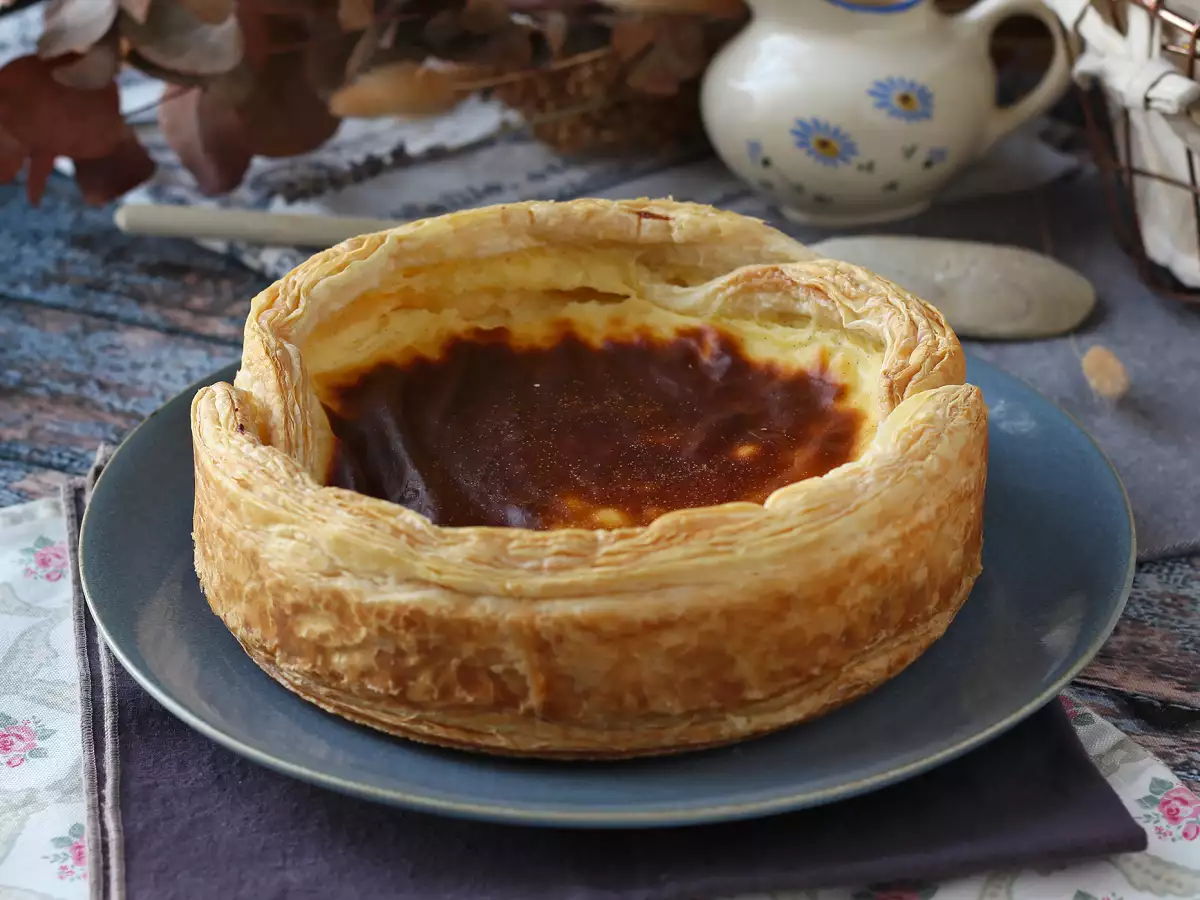
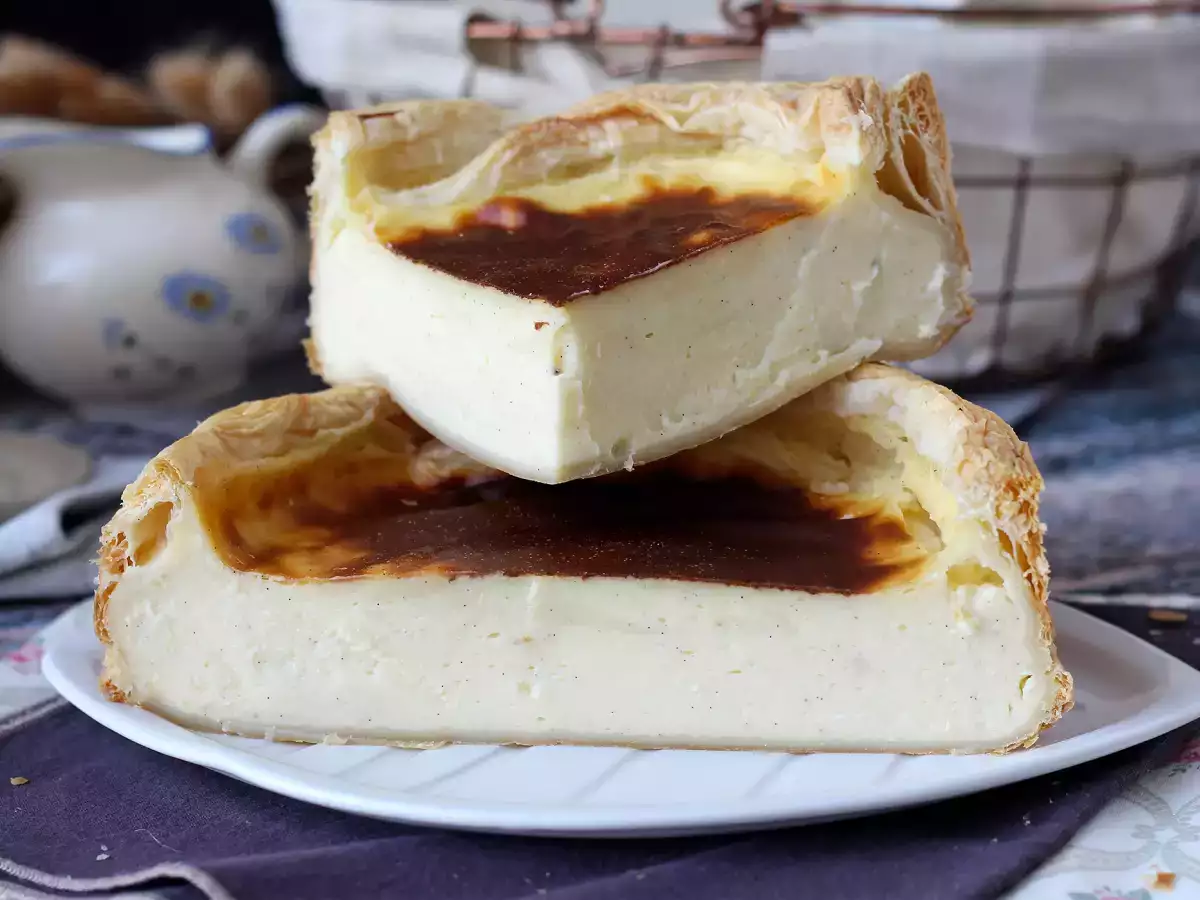
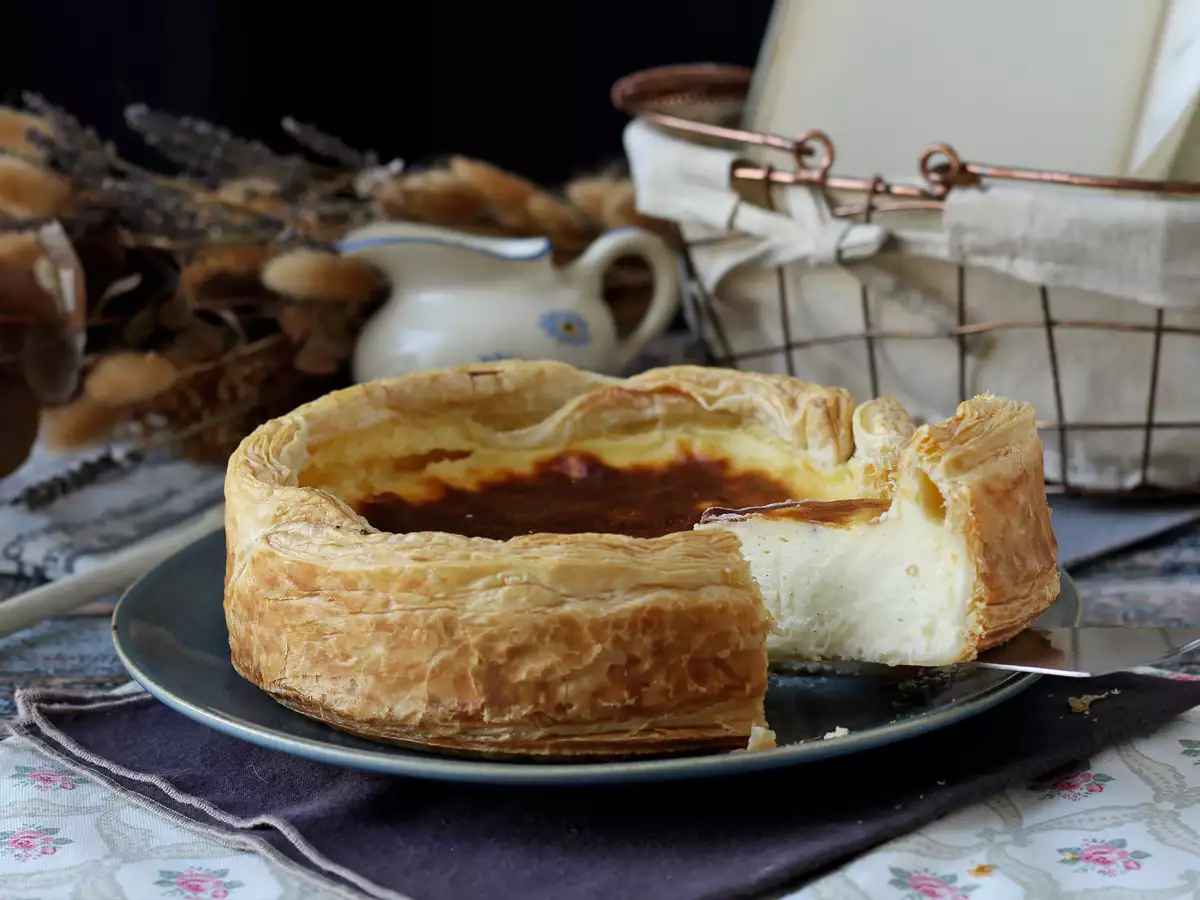
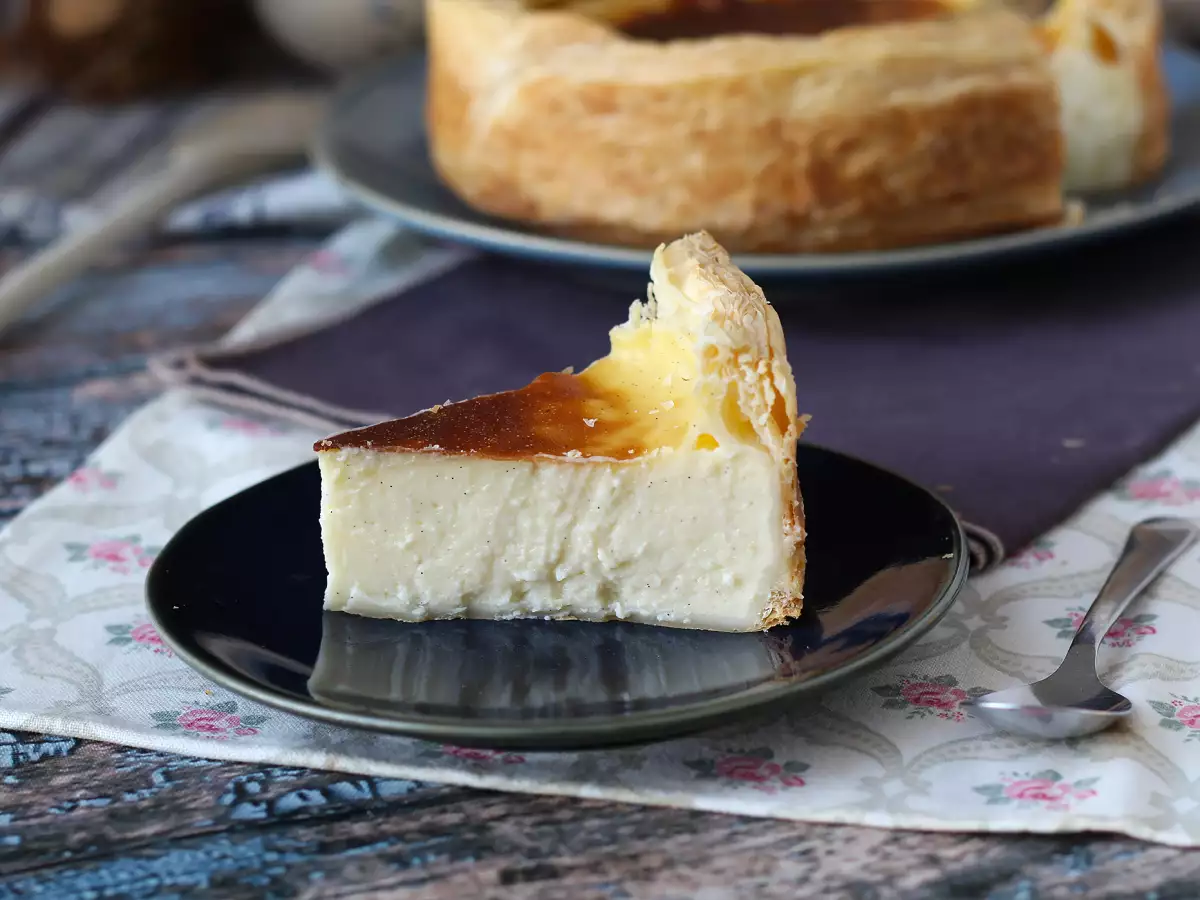
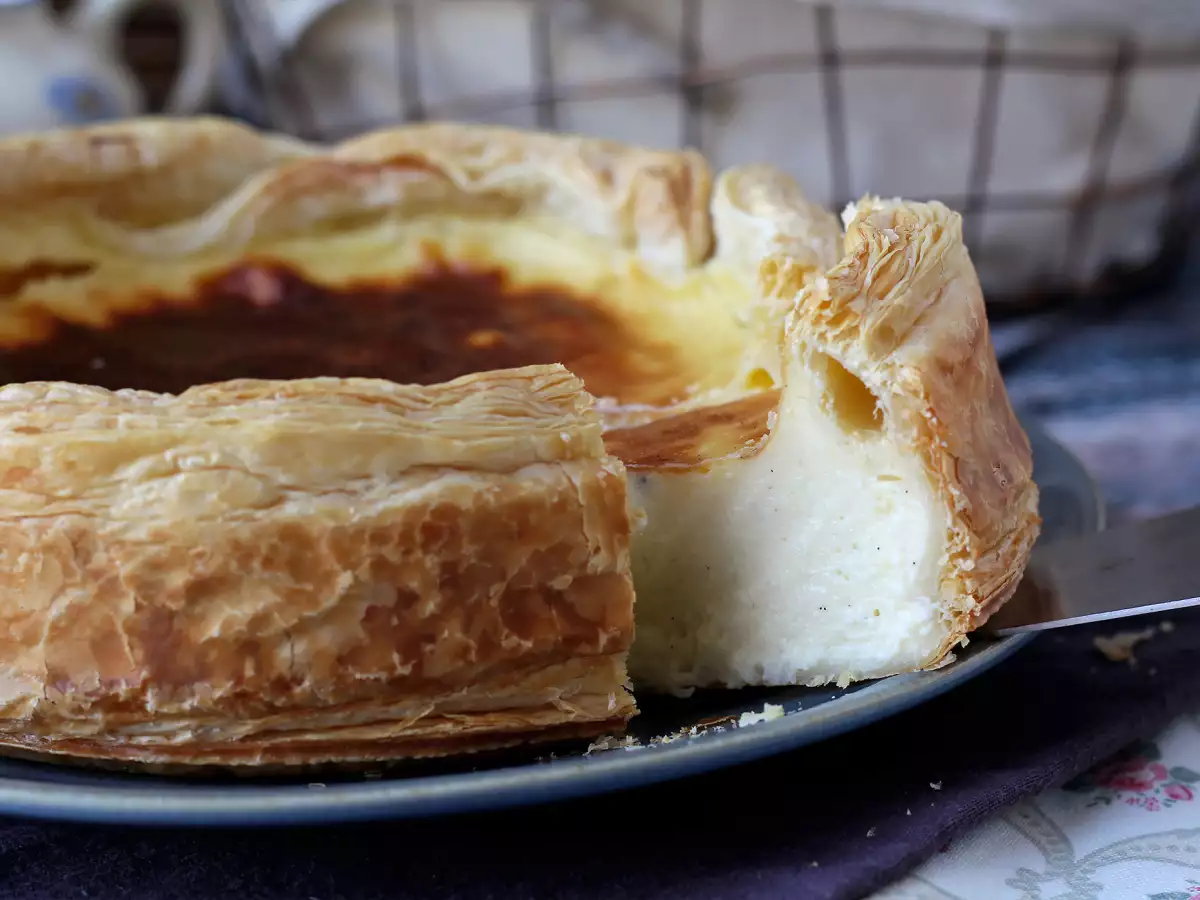
Looking for a sublime, foolproof recipe for homemade French flan pâtissier? Look no further: this recipe makes it easy to prepare a traditional dessert that’s sure to be a hit. This easy-to-make creamy flan will delight young and old alike and take you back to childhood with its authentic flavors. Discover all our tips for the perfect flan and enjoy a smooth, delicious result.
Ingredients
8
Materials
- 7.8-inch/20 cm springform pan
- Parchment paper
- Rubber spatula
- Oven
Optional:
- Cooking spray
Preparation
Preparation20 min
Waiting time4 hours
Cook time35 min
 Place a sheet of parchment paper in the bottom of the springform pan.
Spray the sides of the pan with cooking spray or butter them. Cut a disc of dough to fit the diameter of the pan.
Place the disc in the bottom of the pan.
 Cut 6 cm-wide strips from the remaining pastry and place them against the sides of the pan, joining them to the pastry base.
Make sure the strips are firmly attached to the base. If a strip doesn’t go all the way around the pan, don’t worry—you can join strips together, overlapping them to cover the sides.
Once the pan is lined with pastry, place it in the freezer. In a saucepan, heat the milk and vanilla over medium heat until boiling, stirring regularly with a wooden spoon to prevent the milk from burning.
 Remove the vanilla pod and scrape out the seeds with a knife.
In a bowl, mix the eggs, sugar, and vanilla seeds, then add the cornstarch and whisk well. Pour the hot milk over the mixture, then return it to the saucepan. Thicken over the heat, stirring constantly. Remove from the heat when the mixture is very thick and the first bubbles appear. Leave to cool until lukewarm.
 Pour the cream into the custard and whisk until well combined. Take the pastry-lined pan out of the freezer, pour in the custard, and smooth it out with a spatula.
 Bake at 180°C (350°F) for 35 minutes.
Leave to cool, then refrigerate for at least 4 hours before serving.
 And there you have it—it’s ready!
FAQ ❓
What pastry should I use for a flan pâtissier?
In this recipe, we use puff pastry, but you can also use shortcrust pastry or sweet shortcrust pastry.
Why add cream to a flan pâtissier?
Cream adds a richer, creamier texture. It helps prevent the flan from becoming too gelatinous or dry. Mixed with the milk, it balances the flan’s firmness and softness.
Why is my flan pâtissier too runny after baking?
It may need more cooking time or more thickener (cornstarch, eggs). Thicken the mixture over low heat before baking. The flan also firms up as it cools.
How long should I let a flan pâtissier cool before unmolding it?
Wait at least 4 hours in the refrigerator before unmolding. A well-chilled flan holds its shape better and has a perfect texture.
Why doesn’t my flan pâtissier hold together well when sliced?
It may need more cooking time or more time to chill. Make sure the custard has thickened before baking, and let the flan cool for at least 4 hours.
Can I replace the milk with plant-based milk (almond, soy, or oat)?
Yes, but the texture will change! Almond milk gives a mild flavor, soy milk a consistency close to that of a classic flan, and oat milk a thinner result. Add a little more cornstarch for a firmer texture.
Is it best served warm or cold?
Flan pâtissier is best served well chilled after several hours in the refrigerator. It becomes firmer and softer, and the flavors develop more fully.
How should I store my flan pâtissier?
You can keep it at room temperature for a few hours. To store it for longer, refrigerate it and take it out at least 30 minutes before serving so it’s creamy.
Can I make a flan pâtissier without pastry?
Yes! Simply pour the flan mixture directly into a buttered pan. The result is lighter but just as delicious. For easy unmolding, use a silicone mold or line the pan with parchment paper.
How can I make a creamy flan?
To make a really creamy flan pâtissier, follow these tips:
- Use whole milk and heavy cream: this combination creates a smoother texture.
- Sift the cornstarch to avoid lumps and ensure an even texture.
- Don’t overbake: baking gently at 180°C (350°F) for 40 to 50 minutes helps prevent the flan from becoming too dense.
- Let it chill for several hours before serving for an even softer flan.
Why use cornstarch in flan?
Cornstarch partially replaces flour in a flan pâtissier for several reasons:
- It makes the mixture lighter, preventing an overly dense texture.
- It helps prevent lumps, unlike flour.
- It makes the flan creamier and softer.
Tip: If you don’t have cornstarch, you can replace it with sifted flour or a mixture containing potato starch.
- It makes the mixture lighter, preventing an overly dense texture.
- It helps prevent lumps, unlike flour.
- It makes the flan creamier and softer.
Tip: If you don’t have cornstarch, you can replace it with sifted flour or a mixture containing potato starch.
What’s the difference between Parisian flan and flan pâtissier?
Parisian flan and flan pâtissier are very similar, but there are a few differences:
- Parisian flan is a more refined version, generally thicker and creamier. It may contain more cream and fewer eggs, and is often softer.
- Flan pâtissier is the traditional version found in bakeries, with a firmer texture and a shortcrust or puff pastry base.
Tip: For a Parisian-style flan, add more heavy cream and let the pastry rest in the refrigerator overnight before baking.
Can I make flan pâtissier the day before?
Yes, and it’s even recommended! Making flan pâtissier the day before helps to:
- Set the texture: after chilling overnight, the flan is creamier and holds its shape better when sliced.
- Develop the flavors: the vanilla flavor becomes more pronounced after a few hours of resting.
- Make serving easier: it will be easier to unmold and slice.
Tip: Store it in the refrigerator, wrapped in plastic wrap or in an airtight container, to keep it from drying out.
Nutrition
for 1 serving / for 100 g
Calories: 368Kcal
- Carbo: 37g
- Total fat: 21.3g
- Saturated fat: 13.8g
- Proteins: 6.8g
- Fibers: 0.6g
- Sugar: 19.5g
- ProPoints: 10
- SmartPoints: 17
Nutritional information for 1 serving (166g)
Cookware
oven
burner
Attributes
Suitable for freezing
Keep refrigerated
 PetitChef_Official
You may like

Oranaise tart – puff pastry, pastry cream and apricots

Chocolate flan that will take you back to childhood

Homemade pepper sauce: creamy, fragrant and ultra-easy!

Sesame puff pastry twists

How to make shortcrust pastry

Vegan "sausage" and red pepper puff pastry heart tarts

Puff pastry cod with spinach and mozzarella

Puff pastry tart with jerusalem artichokes

Puff pastry with minced meat

Puff pastry bites with tomato, cheese and pesto!

Vanilla puff pastry doughnuts

Ladurée Pâte Sablée Croustillante à Crumble - Ladurée Crisp Sweet Pastry for Crumbles
Questions
Photos of members who cooked this recipe
 Vincent Sabourdy
Co-founder and publishing director of Petitchef, I am above all passionate about cooking and the internet.
I make the best crêpes on the street.
I love accessible recipes, practical advice, and culinary news.
My goal: to offer the best possible culinary website to make cooking a pleasant and shared experience.
I make the best crêpes on the street.
I love accessible recipes, practical advice, and culinary news.
My goal: to offer the best possible culinary website to make cooking a pleasant and shared experience.
Comments
Rate this recipe:
4.5/5, 4 votes
Rate this recipe