5 ways to cook red beets and exact cooking times for each method so they come out perfectly
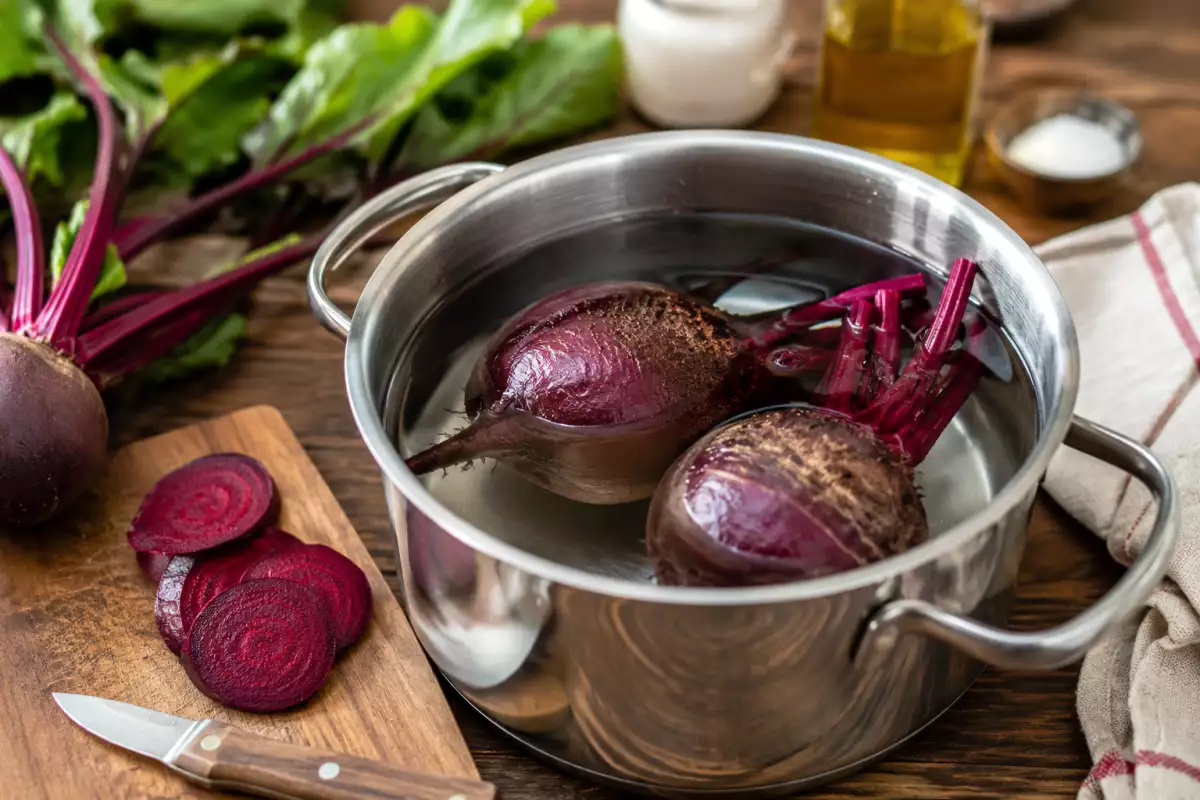
The key factor is size. A small beet can cook fairly quickly, while a large, whole beet requires much more patience. So treat the times listed as guidelines, not strict deadlines.
Here are the 5 methods for cooking red beets you should know: boiling, steaming, baking, pressure cooking, and microwaving—along with the right techniques to avoid beets that are still hard in the center or too mushy.
Before cooking: do not peel the beet
Also, leave a small piece of the stem instead of cutting it off completely. This helps prevent the beet from losing too much juice during cooking. If the roots are still attached, you can leave them on as well.
The best approach: cook the beet whole whenever possible, then peel it while it’s still warm by rubbing the skin with your fingers or a paper towel.
1. Boiling: 30 minutes to 1 hour
Allow about 30 minutes to 1 hour, depending on size. A small beet may be ready in about 30 minutes, while a larger one will take longer.
This method is convenient for salads, verrines, purées, or cold dishes. It results in a tender beet, though the flavor is sometimes slightly less intense than when baked.
2. Steaming: 30 minutes to 1 hour and 30 minutes
Cooking times vary widely depending on the equipment and size: allow about 30 minutes to 1 hour and 30 minutes. For small to medium beets, cooking time will be shorter; for large whole beets, it can be significantly longer.
Steaming is a good option when you want to preserve a vibrant color, a firmer texture, and beets that are easy to dice, slice, or quarter.
3. Baking time: 45 minutes to 1 hour and 15 minutes, or longer if they are large
At 350 °F/180 °C, allow about 45 minutes to 1 hour and 15 minutes for small to medium beets. For large beets, cooking time may exceed this and take much longer.
Oven-roasting brings out the beets’ fullest flavor: less diluted, sweeter, and more concentrated. This is the method to choose for roasted beet wedges, a mixed platter, fresh cheese, nuts, or a well-seasoned vinaigrette.
4. Pressure-cooking: 15 to 30 minutes
Allow about 15 to 30 minutes after pressure is reached, depending on their size. Smaller beets will be ready sooner; larger ones will take closer to the upper end of that range, or even a few minutes longer if they’re very thick.
This is the most convenient method for preparing beets in advance and then storing them in the refrigerator.
5. Microwave cooking: 5 to 15 minutes
Allow about 5 to 15 minutes, depending on the size and power of your microwave. Start with 8 to 10 minutes, let it rest, then add a few more minutes at a time if the beet is still firm.
The results are sometimes less consistent than when baking or steaming, but this is the best option when you want to cook a beet quickly for a salad or spread.
The real test: the tip of the knife
Avoid piercing the beets too often while they’re cooking (especially when boiling them) so they don’t lose too much juice. Checking toward the end is usually sufficient.
If the beet is still firm, extend the cooking time in 5- to 10-minute increments for boiling, steaming, or baking, and in shorter increments for the microwave or pressure cooker.
Which method should you choose based on the recipe?
For a more concentrated flavor, choose the oven. The beets become sweeter, more aromatic, and almost roasted. To save time, a pressure cooker is the most efficient method. For a single beet, the microwave is often sufficient.
A simple rule of thumb: water for simplicity, steaming for texture, the oven for flavor, the pressure cooker for speed, and the microwave for a quick fix.
Easy Recipes with Cooked Beets
For a quick appetizer, beet verrines are a fresh and simple option.
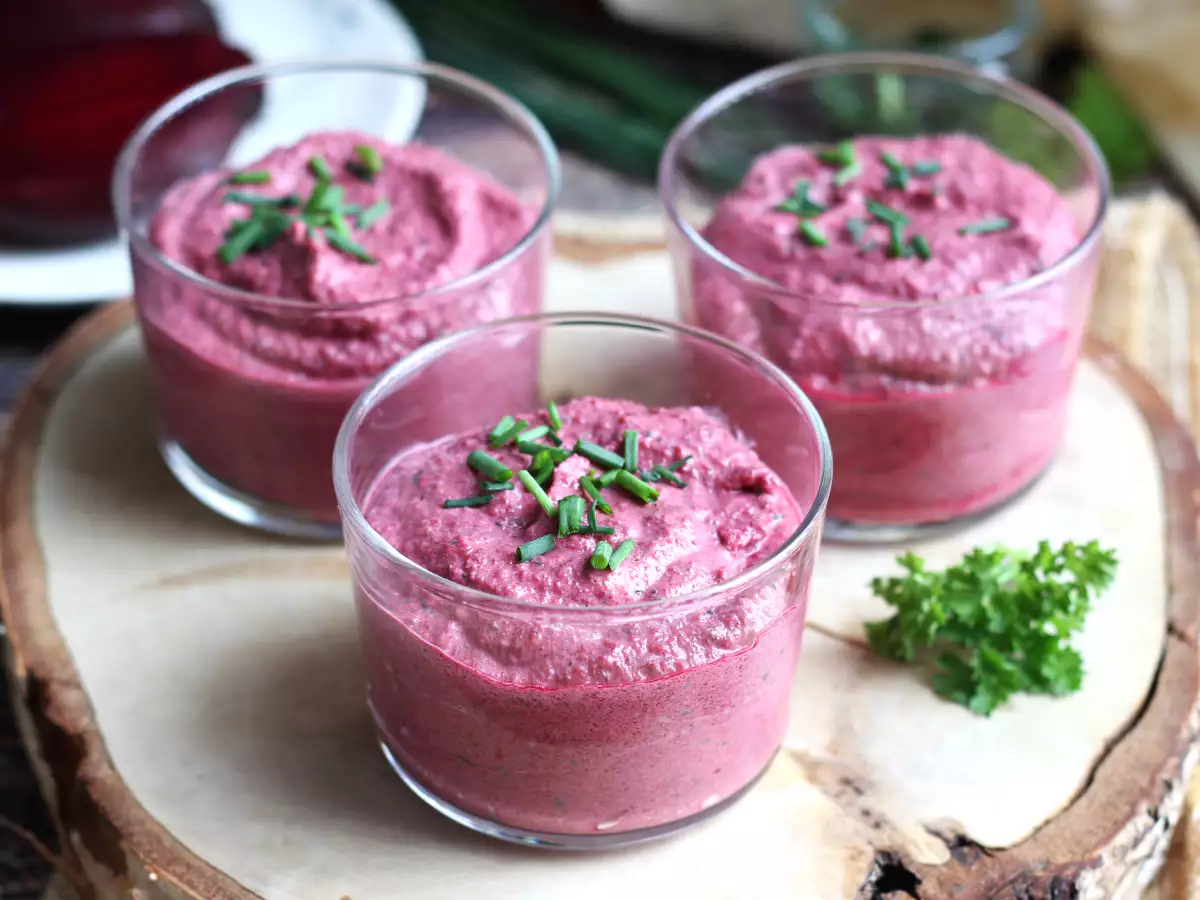
Want to add some color to your menu? Beet will be your best friend! Simply blend it with cream cheese and a few herbs to add flavor, and you'll have a super-fresh beet purée. Give it a try—we can assure you that you'll love it ;-) What's more, it's...
Beet hummus is another way to turn cooked beets into a colorful spread for an appetizer.
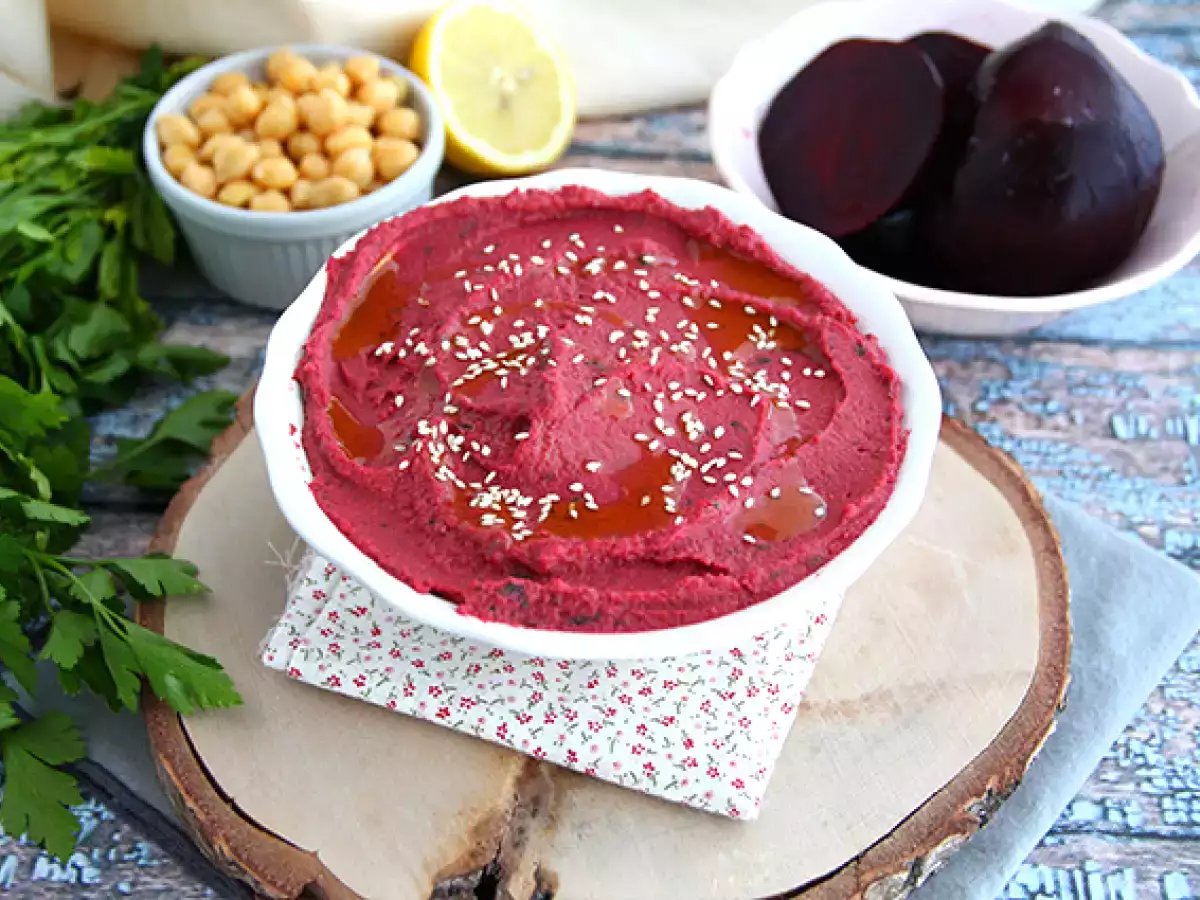
How about adding some color to your hummus today? Add a beautiful beet to your chickpeas and you'll have a lovely pink hummus! Easy, quick, and no cooking required, this is sure to delight your guests at aperitif time. A recipe rich in plant-based...
For a warm dish, beet soup is a great option when you want something simple and colorful.
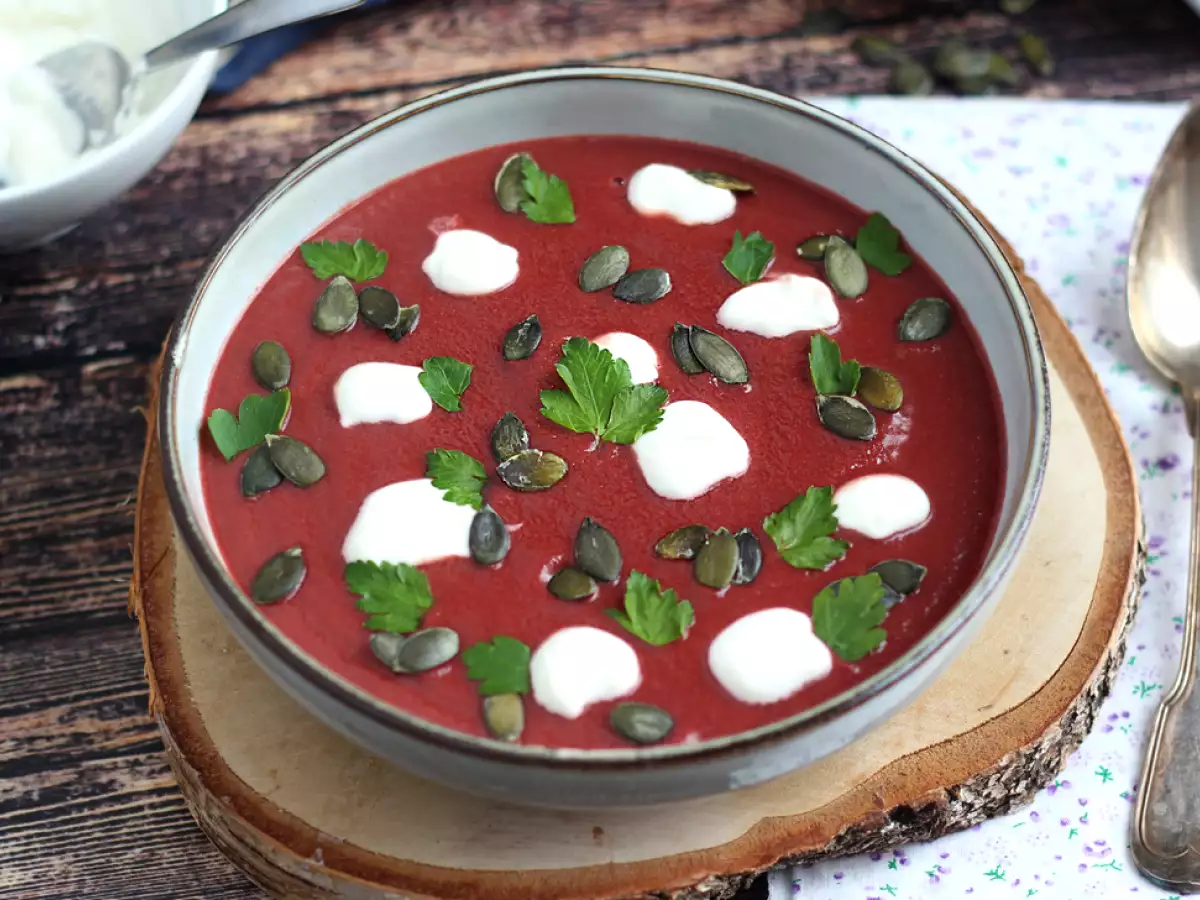
Add some color to your meal with this beetroot soup! It's very easy to make, and you can serve it in bowls, soup plates, or even small glasses as an appetizer. Topped with yogurt, pumpkin seeds, and parsley, it's a new way to enjoy beetroot :-)
And for a heartier meal, beet and gorgonzola risotto is a perfect example of how this vegetable can serve as the basis for a complete meal.
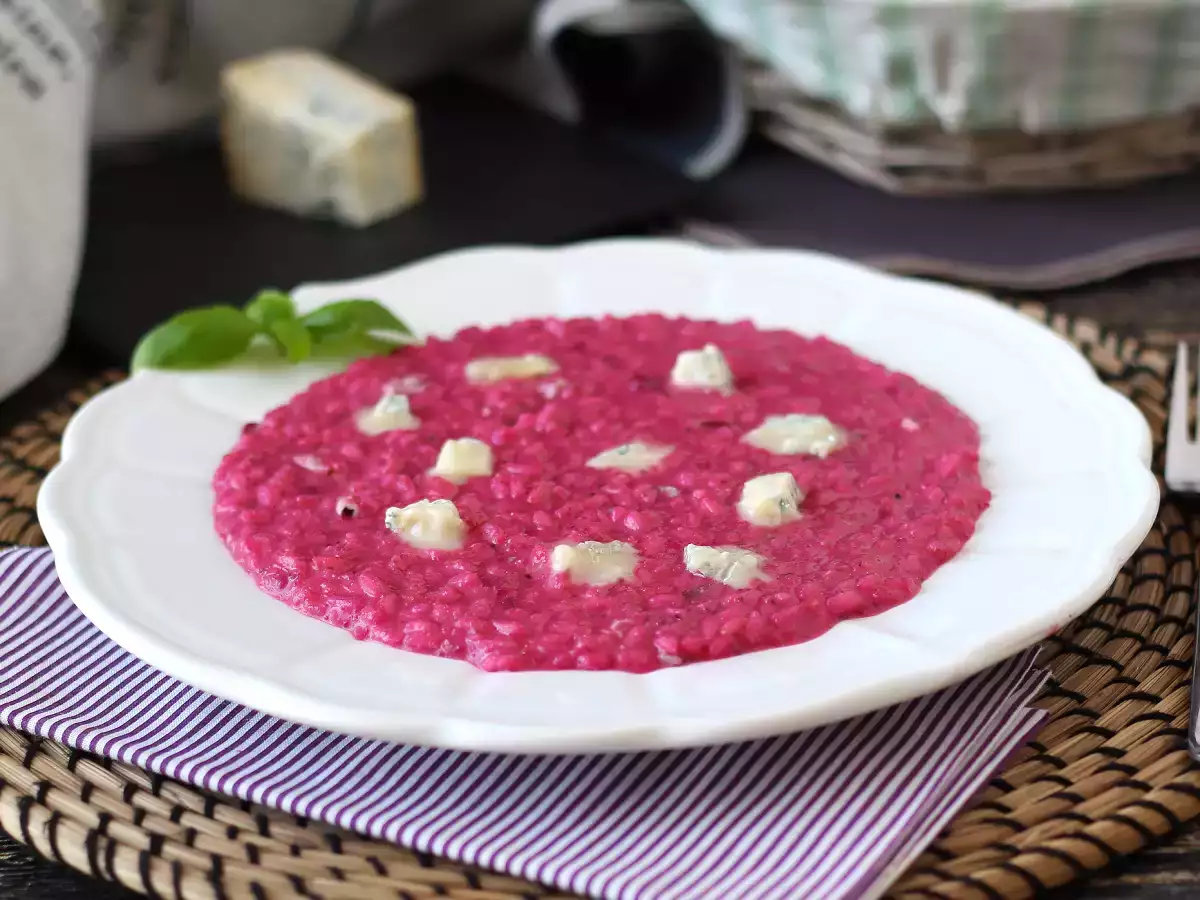
An explosion of flavor in every bite! The deep red of beetroot , sweet and earthy, pairs perfectly with the rich creaminess and distinctive character of Gorgonzola. This contrast of flavors will delight every palate. Beetroot and Gorgonzola risotto...
How to store cooked beets
If it’s already cut, keep it tightly covered to prevent it from drying out. It can then be used in a salad, spread, soup, side dish, or cold dish.
Just avoid leaving it at room temperature for too long after cooking, especially if it’s peeled and cut.
Quick reference chart for cooking times
| Method | Approximate time | Key points |
|---|---|---|
| Boiling | 30 min to 1 hr | Simple, practical, good for salads |
| Steaming | 30 min to 1 hr 30 min | Holds its shape well, preserves color |
| Oven | 45 min to 1 hr 15 min, longer for larger ones | More concentrated flavor |
| Pressure cooker | 15 to 30 min | Quick and practical for several beets |
| Microwave | 5 to 15 min | Quick option, check at intervals |
These times are only guidelines: size, freshness, equipment, and cooking power can greatly affect the result. In all cases, a knife should slide in easily.
 Adèle Peyches
Comments