Arepas made easy: 7 colombian and venezuelan styles that show how fillings change everything
Sunday 4 October 2026 15:30 - Patricia González
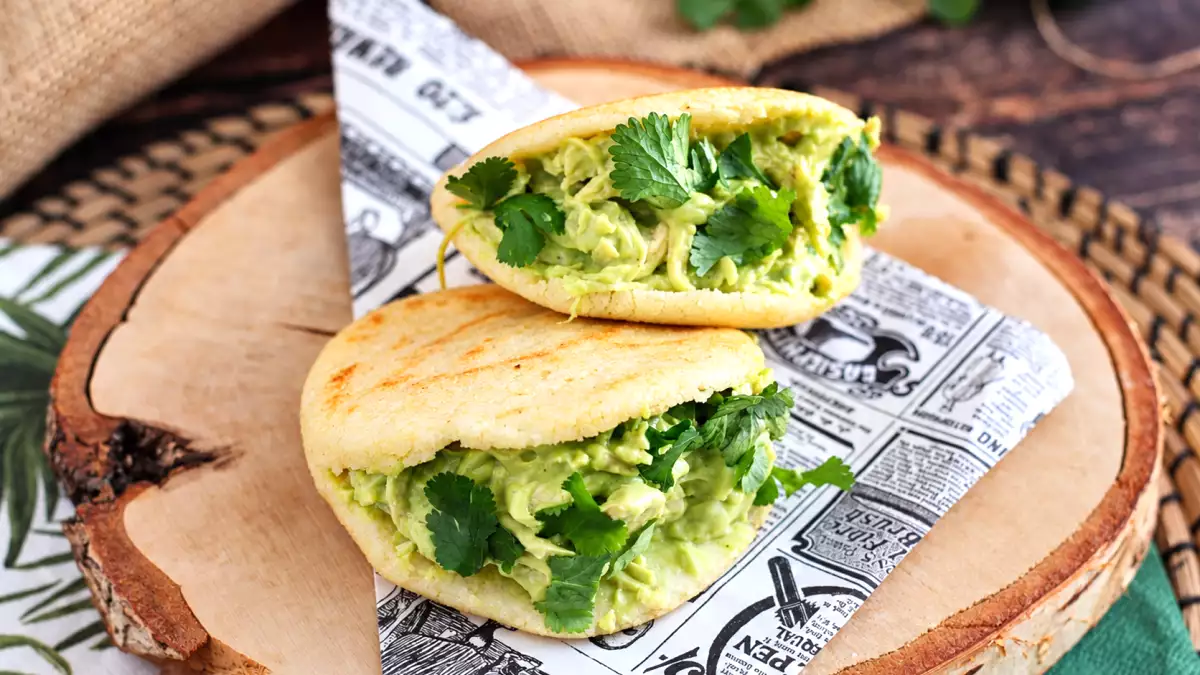
What makes them irresistible? Texture first: the outside can be lightly crisp while the inside stays soft and comforting. Then come the contrasts: creamy avocado against shredded chicken, black beans against fresh white cheese, sweet corn against melted cheese, or ripe plantain against savory meat. This guide explores seven Colombian and Venezuelan arepa types and explains how their flavors differ, with simple recipe inspiration to help you recreate the same spirit at home.
1. Arepa paisa: simple, thin and made for toppings
The arepa paisa, closely associated with Antioquia in Colombia, is all about simplicity. It is usually thinner and more restrained than a stuffed Venezuelan arepa, which makes it perfect as a base for butter, cheese, beans, eggs or a hearty Colombian plate. Its flavor is mild, toasted and corn-forward, so the toppings can shine without being overwhelmed.
For a Colombian-style meal, think of it as the calm, golden element beside bigger flavors: beans, avocado, plantain, meat and fresh sauces. The result is comforting, balanced and very flexible.
For a Colombian-style meal, think of it as the calm, golden element beside bigger flavors: beans, avocado, plantain, meat and fresh sauces. The result is comforting, balanced and very flexible.
2. Arepa de choclo: sweet corn softness with melted cheese
Arepa de choclo is the softer, sweeter side of the arepa family. Made with tender corn, it has a flavor closer to fresh corn pancakes than to a plain griddled corn cake. The sweetness makes it especially delicious with melted cheese, which brings salt, creaminess and a lovely stretch.
This style is ideal when you want something cozy but not heavy. Serve it for brunch, as a snack, or with a fresh salad to turn it into a cheerful light meal. The key contrast is sweet corn plus savory dairy.
This style is ideal when you want something cozy but not heavy. Serve it for brunch, as a snack, or with a fresh salad to turn it into a cheerful light meal. The key contrast is sweet corn plus savory dairy.
3. Arepa de huevo: crispy outside, rich and sunny inside
Arepa de huevo is a beloved Colombian variation, especially on the Caribbean coast. Unlike a simple griddled arepa, this one leans into crunch and richness: the egg brings softness, protein and a golden center, while the corn dough gives structure and bite. It is the type of arepa that feels like breakfast, street food and comfort snack all at once.
The flavor difference is clear: instead of being mainly a side, it becomes a self-contained bite. Add a little cheese, herbs or hot sauce and it becomes even more satisfying.
The flavor difference is clear: instead of being mainly a side, it becomes a self-contained bite. Add a little cheese, herbs or hot sauce and it becomes even more satisfying.
4. Reina pepiada: chicken, avocado and creamy freshness
Reina pepiada is one of the most famous Venezuelan arepas, and it is easy to understand why. Its filling usually combines shredded chicken with avocado and a creamy dressing, creating a cool, rich and generous center. Compared with a Colombian-style plain arepa, this version is much more sandwich-like: the arepa becomes the vessel for a full meal.
The flavor is soft, savory and fresh at the same time. Avocado adds silkiness, chicken brings substance, and the corn shell keeps everything warm and satisfying.
The flavor is soft, savory and fresh at the same time. Avocado adds silkiness, chicken brings substance, and the corn shell keeps everything warm and satisfying.
Venezuelan arepas with chicken and avocado – reina pepiada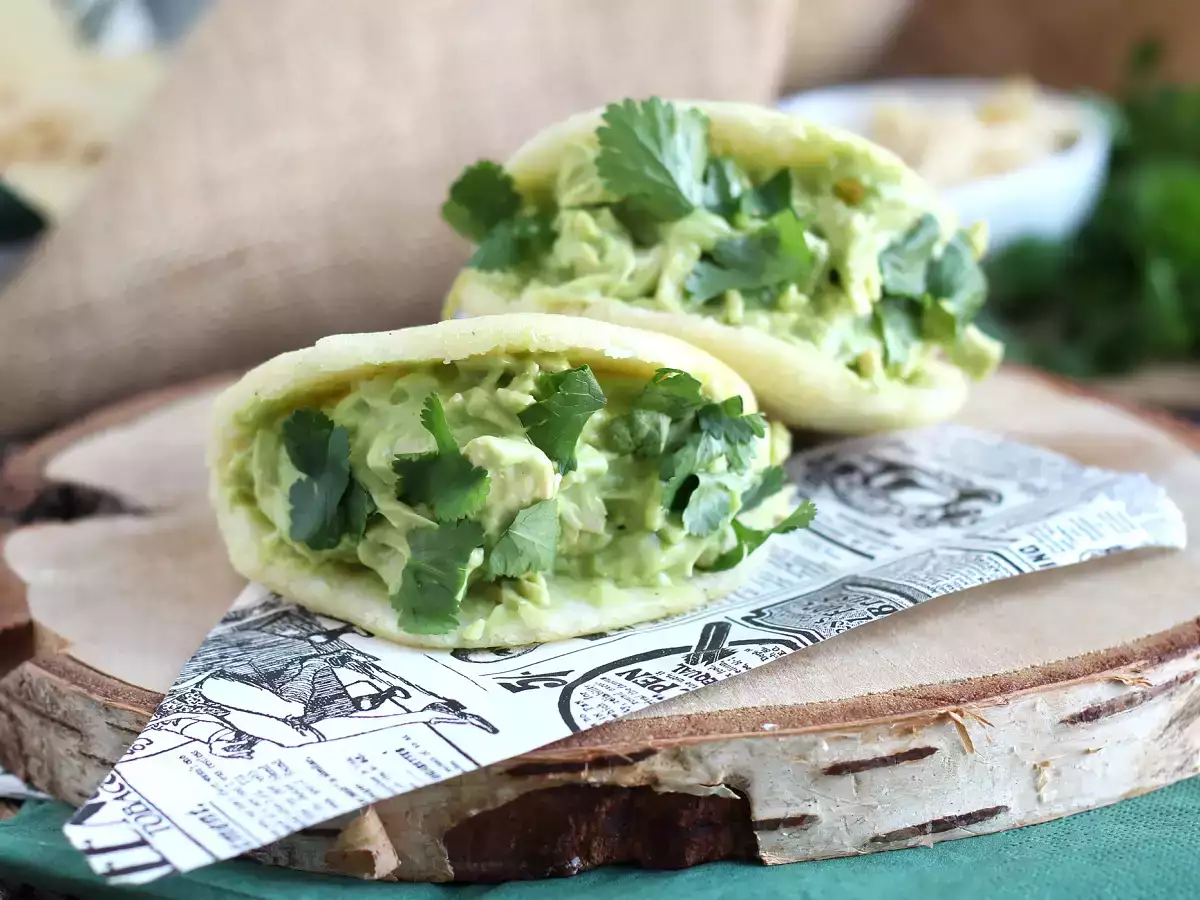
Want to take your taste buds on a trip? Try this sandwich made with arepas, Venezuelan rolls that are quick and easy to make! Yeast-free , they're also naturally gluten-free , since they're made from corn flour . A perfect recipe for a night in...
5. Dominó: beans and cheese for the perfect black-and-white bite
Dominó is another Venezuelan classic, named for the contrast between dark beans and white cheese. It is simple, but the balance is brilliant: beans bring depth and earthiness, while cheese adds salt, freshness and creaminess. This is the kind of filling that proves an arepa does not need many ingredients to be memorable.
Its flavor differs from chicken or meat fillings because it feels more rustic, hearty and vegetarian-friendly. A spoonful of beans, a crumble of cheese and a warm corn pocket are enough to make a pantry meal feel complete.
Its flavor differs from chicken or meat fillings because it feels more rustic, hearty and vegetarian-friendly. A spoonful of beans, a crumble of cheese and a warm corn pocket are enough to make a pantry meal feel complete.
6. Pabellón-style arepa: sweet, savory and deeply satisfying
Pabellón-style arepa takes inspiration from Venezuela’s much-loved combination of shredded meat, beans, cheese and sweet plantain. Here, the magic comes from contrast: savory meat, creamy beans, salty cheese and the caramel-like sweetness of ripe plantain. Every bite feels layered and generous.
This is one of the richest arepa styles because it brings together several flavors at once. It is sweet, salty, tender, meaty and comforting, making it perfect when you want an arepa that eats like a feast.
This is one of the richest arepa styles because it brings together several flavors at once. It is sweet, salty, tender, meaty and comforting, making it perfect when you want an arepa that eats like a feast.
7. Patacón-inspired arepa mood: plantain crunch and bright toppings
Patacones are not arepas, but they belong beautifully in the same flavor conversation because they show how Colombian and Venezuelan cooking loves the contrast of crisp bases and generous toppings. Fried or pressed plantain brings a crunchier, sweeter character than cornmeal, especially when paired with avocado, tomato or cheese.
Use this idea to understand the plantain side of the arepa world: if cornmeal gives the arepa its comforting backbone, plantain adds caramel notes, crunch and tropical brightness. It is a great way to vary a meal built around Latin American flavors.
Use this idea to understand the plantain side of the arepa world: if cornmeal gives the arepa its comforting backbone, plantain adds caramel notes, crunch and tropical brightness. It is a great way to vary a meal built around Latin American flavors.
How to choose the right arepa style for your craving
Want something light?
Choose a simple Colombian-style arepa with cheese, egg or avocado.
Want a full meal?
Go for a Venezuelan-style filled arepa such as reina pepiada, dominó or pabellón-style.
Want sweet and savory comfort?
Try arepa de choclo or add ripe plantain to the plate.
Want pantry cooking with personality?
Keep cornmeal, beans, cheese, eggs and avocado on hand. With those ingredients, you can build an arepa-inspired meal that feels generous without being complicated.
Choose a simple Colombian-style arepa with cheese, egg or avocado.
Want a full meal?
Go for a Venezuelan-style filled arepa such as reina pepiada, dominó or pabellón-style.
Want sweet and savory comfort?
Try arepa de choclo or add ripe plantain to the plate.
Want pantry cooking with personality?
Keep cornmeal, beans, cheese, eggs and avocado on hand. With those ingredients, you can build an arepa-inspired meal that feels generous without being complicated.
Final tip: the filling changes the whole experience
The beauty of arepas is that small changes create big differences. A thin arepa with butter tastes simple and toasty. A sweet corn arepa with cheese feels soft and indulgent. A chicken-and-avocado filling turns it creamy and fresh. Beans and cheese make it hearty. Plantain and shredded meat make it festive.
So when you compare Colombian and Venezuelan arepas, do not look only at the cornmeal. Look at how they are served, what they are paired with and how much filling they carry. That is where the personality of each arepa truly begins.
So when you compare Colombian and Venezuelan arepas, do not look only at the cornmeal. Look at how they are served, what they are paired with and how much filling they carry. That is where the personality of each arepa truly begins.
 Patricia González
Passionate about cooking and good food, my life revolves around carefully chosen words and wooden spoons. Responsible, yet forgetful. I am a journalist and writer with years of experience, and I found my ideal corner in France, where I work as a writer for Petitchef. I love bœuf bourguignon, but I miss my mother's salmorejo. Here, I combine my love for writing and delicious flavors to share recipes and kitchen stories that I hope will inspire you. I like my tortilla with onions and slightly undercooked :)
Comments