Homemade vegetable snacks: 9 crunchy snack ideas
Toasted chickpeas that crunch when you bite into them, paper-thin slices of sweet potato, pumpkin chips, or seeds repurposed as a snack: the vegetable snack repertoire is expanding. But behind that crunch lies something more interesting than just a trend: everyday cooking, curiosity about ingredients, and a very reasonable question. What makes something a snack?
The appetizer doesn't change in terms of ingredients, it changes in form
Not everything is new, either. Roasted seeds have been a staple at gatherings and after-dinner chats for generations. The novelty lies in applying that logic to ingredients we usually reserve for hearty stews. Replacing broth with dry heat and large portions with small bites completely transforms the experience. A chickpea in a stew doesn’t taste the same as one roasted with spices, even though both come from the same legume.
Chickpeas: from stew to a handful
There’s one key detail that makes all the difference: thoroughly drain the moisture from the cooked chickpeas before adding oil and seasonings. If they’re too wet when they go into the oven or air fryer, they’ll steam rather than roast. It’s best to spread them out without piling them up and let them cool for a few minutes; as they cool, they’ll firm up.
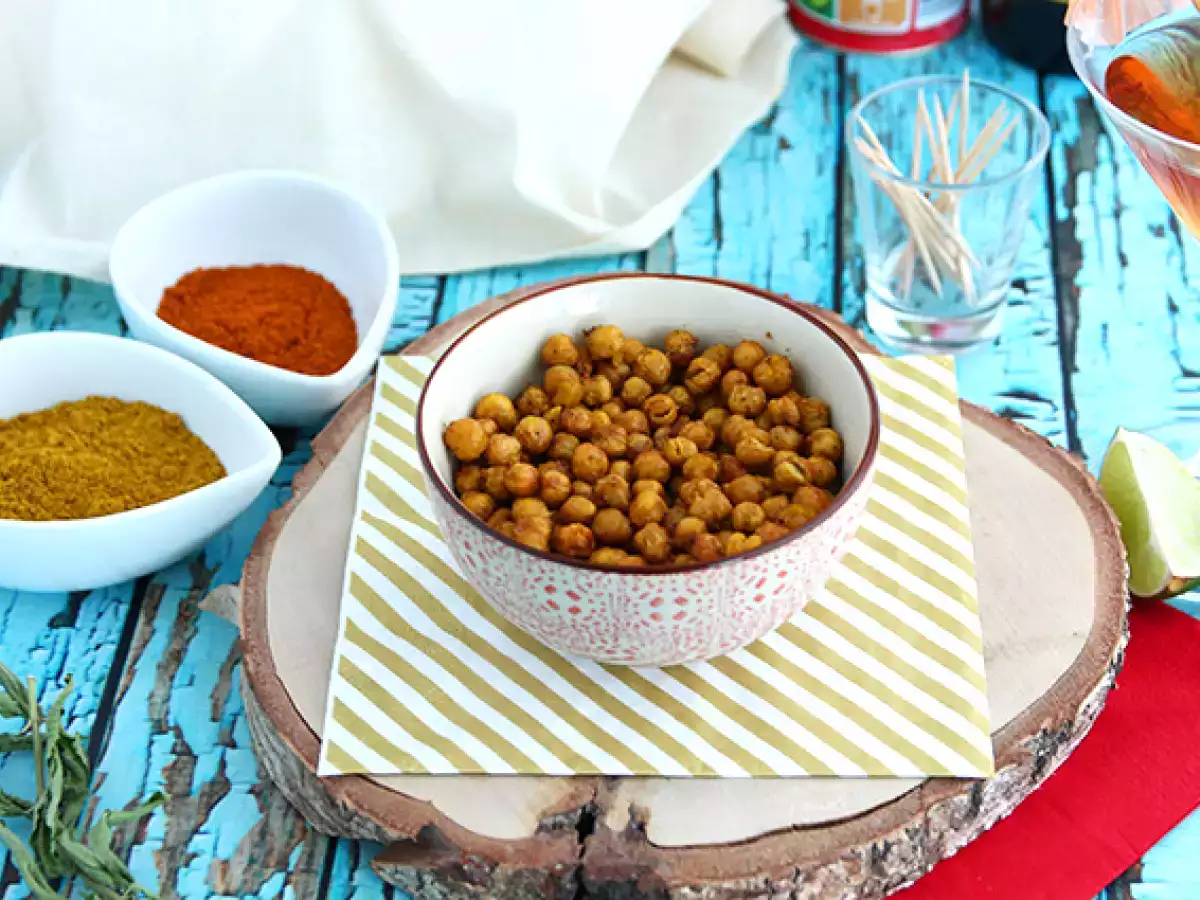
Tired of store-bought chips and overly salty peanuts for appetizers? Try our oven-roasted chickpeas flavored with curry! This super-easy recipe will give you little bites that are crispy on the outside and tender on the inside. A great source of...
The air fryer offers another way to achieve this effect without taking up a large baking sheet. However, the secret remains the same: pre-cooking, thorough draining, and enough space for air to circulate.
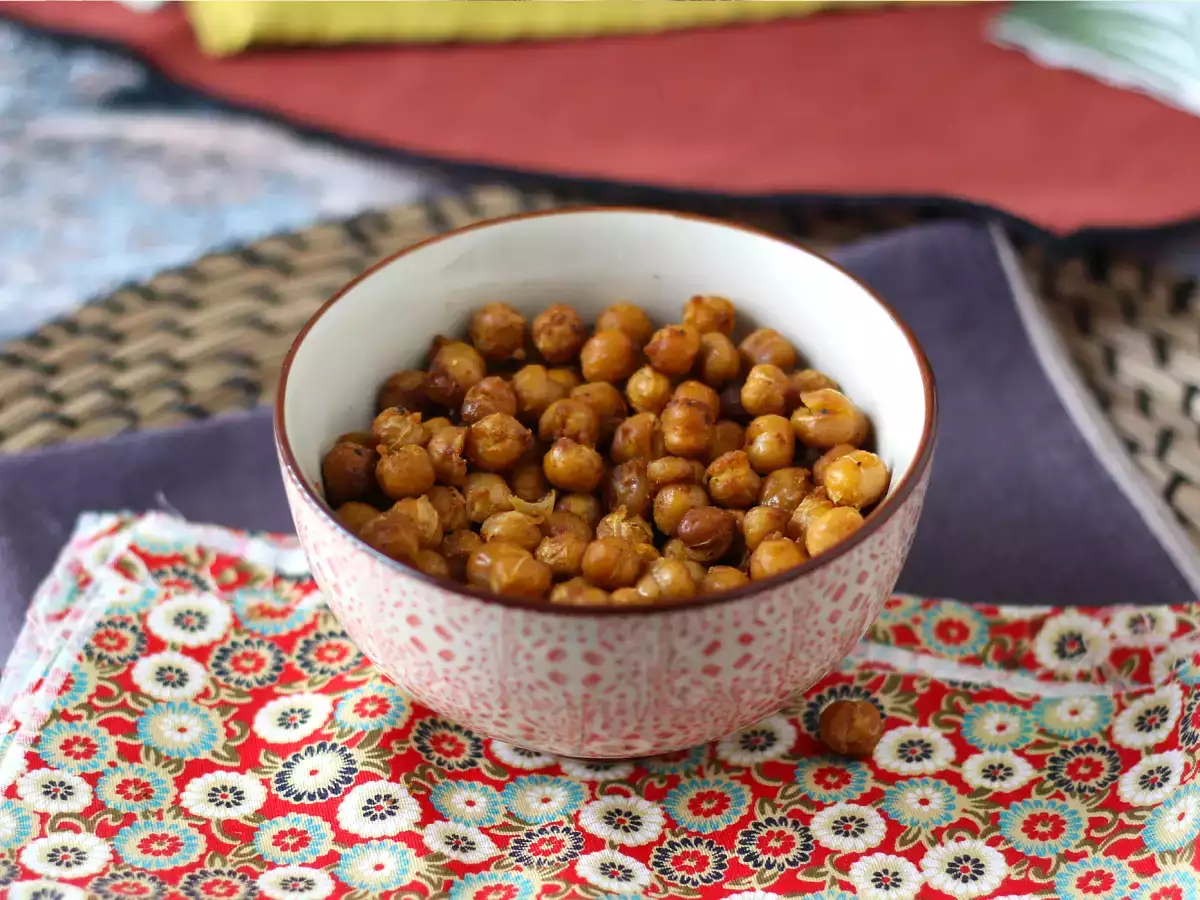
How about replacing chips and sausage for the aperitif with delicious chickpeas roasted in the Air Fryer ? Not only is this recipe super-easy to make, all you need is a can of already-cooked chickpeas and your favorite spices . The result?...
Sweet potato, potato, and cassava: roots and tubers that rise to the challenge

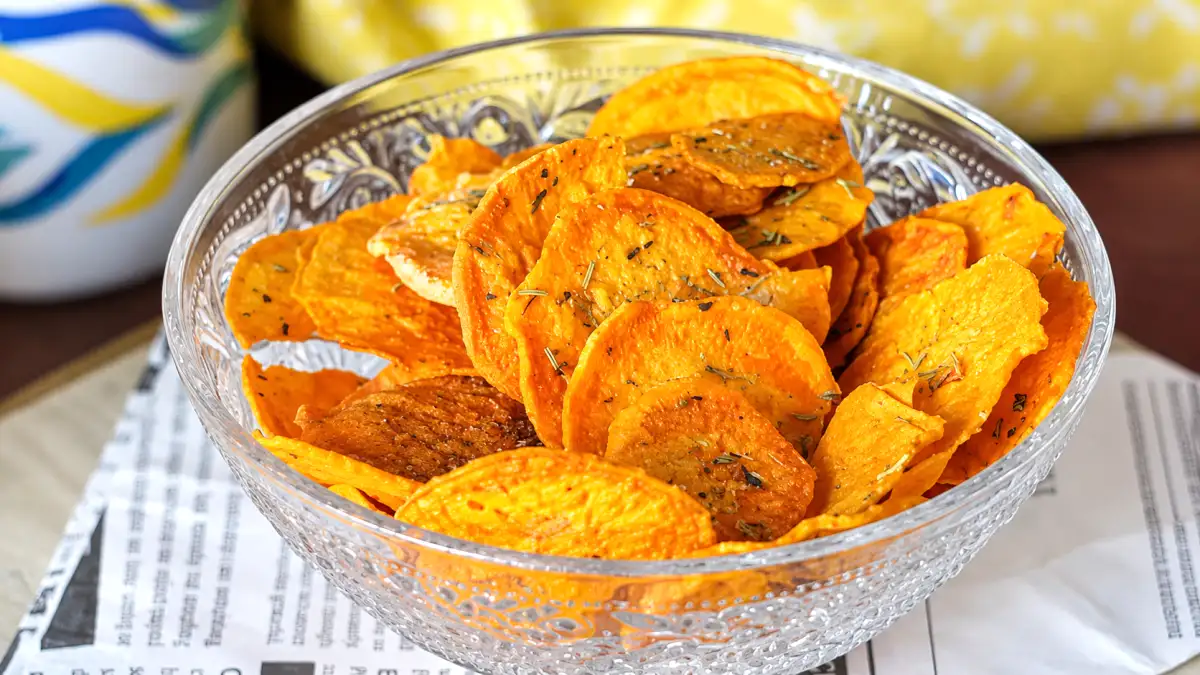
Are you tired of the usual potato chips, store-bought crackers, and pâté on toast at snack time? It's time for a change! Here's a nutritious and delicious alternative : sweet potato chips. This healthy snack is not only easy to prepare, but it's...

Discover a crispy and delicious new way to enjoy your favorite sweet potatoes with our sweet potato fries cooked in the air fryer! Perfectly golden fries, crispy on the outside and tender on the inside , without all the fat and calories of...
Cassava, a staple in Latin American and African cuisines, also has a place in this repertoire. Its texture is denser, and its mild flavor pairs well with citrus or spicy seasonings. Here’s an important precaution: it should not be eaten raw, as it contains cyanogenic compounds. Sweet cassava suitable for consumption is peeled and cooked properly; bitter varieties require specific treatments to reduce these substances. It’s not enough to simply cut up and fry any fresh cassava. Before making chips, make sure to use cassava that’s safe to eat.
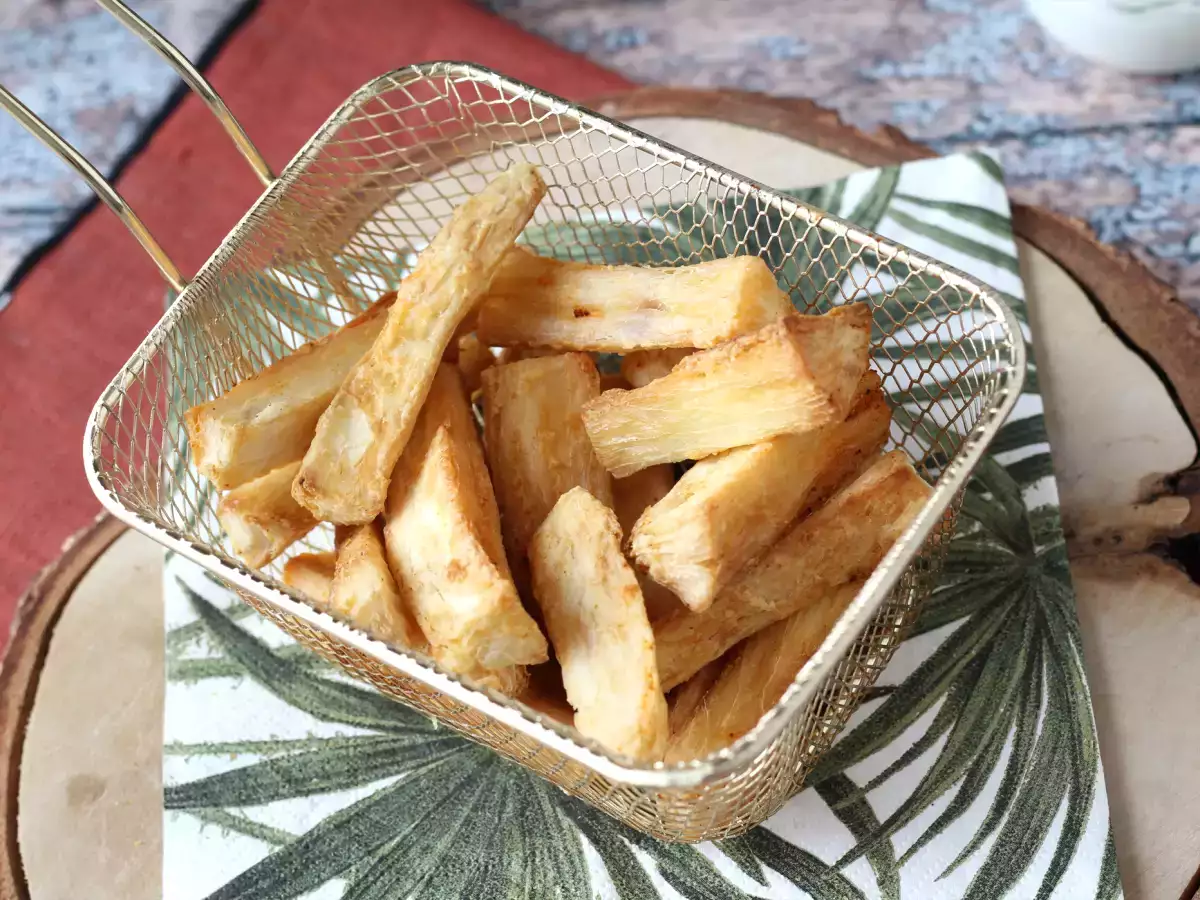
Today, we’re sharing an irresistible snack made with cassava , also known as yuca, manioc, or guacamote. This versatile, flavorful tuber is a culinary treasure in Latin America , where it’s enjoyed in many forms, from breads and arepas to desserts...
And the good old potato hasn’t disappeared from the list. A homemade microwave version reminds us that innovation doesn’t necessarily require an exotic ingredient or turning on the oven.

Potato chips made in the microwave really work and are a practical and surprisingly healthy alternative for those looking for a quick and tasty appetizer or snack without giving up the crunch of traditional snacks. Using only thinly sliced...
The pumpkin has two crunchy lives

If you are looking for an original , refined yet healthy snack , pumpkin chips in an air fryer are the ideal choice. The natural sweetness of pumpkin , enhanced with black pepper, is transformed into an irresistible treat that impresses from the...
The second life lies within. Pumpkin seeds, once cleaned, dried, and toasted, become a snack with a character all their own. It’s a simple example of creative cooking with leftovers: it’s not about cooking leftovers out of necessity, but about discovering that what’s usually discarded can actually be the most interesting thing to snack on.
What happens in the oven that makes something get crispy?
The method matters, but there’s no miracle machine. An oven allows you to spread pieces out on a baking sheet; an air fryer circulates hot air around them; a microwave can work especially well with thin slices and recipes designed for it. In all cases , thickness, moisture content, quantity, and time matter. A small, uniform batch usually yields better results than an overcrowded basket.
A good snack is also all about how it's served

When we're looking for a different alternative to traditional appetizers, without wanting to spend too much time in the kitchen or make too much effort, there's no better option than these baked plantain chips ! They're original, crunchy, and much...
One final caution: crispiness doesn’t mix well with moisture. It’s best to serve these snacks fresh and let them cool completely before storing them. Well-toasted and completely dry chickpeas can retain their texture for a short time in a clean, dry, sealed container once they’ve cooled. If the chickpeas retain moisture or if you have leftovers from other cooked legume dishes, refrigerate them and eat them soon; briefly reheating them can help restore some of their crispness.
From the pantry to the bowl: a small domestic revolution
In the end, the real transformation doesn’t happen in the ingredient itself, but in our perspective: what once called for a spoon may now call for a shared bowl.
 Patricia González
Comments