Brown inside food: Is it safe to eat? Here's a clear answer that will put your mind at ease
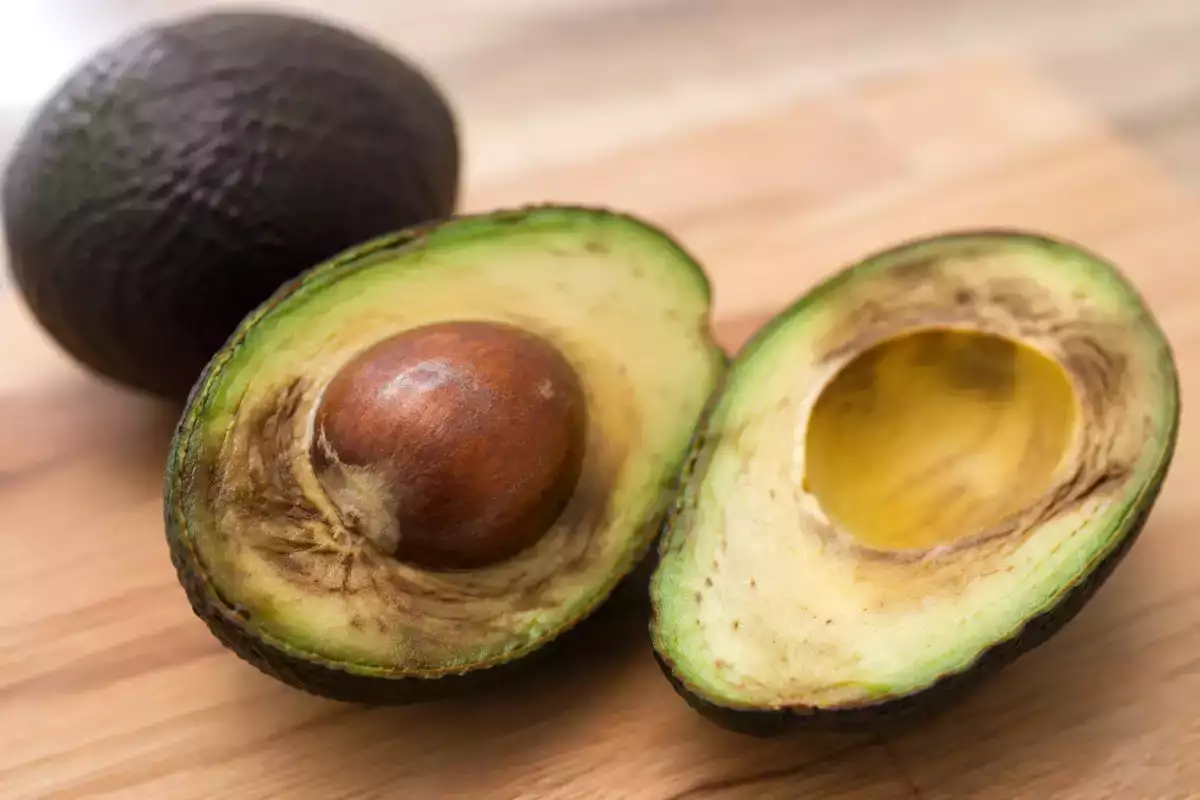
You cut open an avocado for your salad, toast, or lunch bowl. But an hour later, that beautiful green flesh has turned an unappetizing shade of brown.
Your first thought might be: it’s ruined.
But in most cases, a brown avocado is not dangerous at all. And throwing it away is often unnecessary food waste.
So, can you really eat an avocado that has turned brown? Here’s what to know.
Why does avocado turn brown?
The process is very similar to what happens when you cut an apple or peel a banana.
When avocado flesh comes into contact with air, a natural chemical reaction called oxidation begins. An enzyme in the fruit reacts with oxygen, causing brown pigments to appear on the surface.
In other words, it is mostly a change in appearance.
The avocado does not spoil overnight just because it has browned. It is not mold, and it is not automatically unsafe to eat.
Can you eat it safely?
Yes.
If the avocado has only browned on the surface but still smells normal, has a pleasant texture, and has been stored properly, it is generally fine to eat.
The brown part may taste slightly duller or feel a little less appealing, but it is usually not dangerous.
In many cases, you can simply scrape off a thin layer from the surface and find green flesh underneath.
When should you throw it away?
Browning itself is not the problem. However, some signs should make you more cautious.
If the avocado has a sour or unpleasant smell, if the flesh is very slimy, if you see large black spots, or if there are any signs of mold, it is better not to eat it.
The same goes for an avocado that has been sitting for several days after being cut, even in the refrigerator.
As with any fresh food, appearance, smell, and texture are your best guides.
Why do avocados brown so quickly?
Avocados are rich in phenolic compounds, which oxidize easily when exposed to air.
The more surface area is exposed, the faster the browning happens.
That is why guacamole or mashed avocado tends to darken more quickly than an avocado half left intact with the pit.
Temperature matters too: warmth speeds up the process, while refrigeration slows it down.
The best ways to keep avocado from browning
If you only use half an avocado, there are a few simple tricks that can help preserve its color a little longer.
The most common one is adding a few drops of lemon or lime juice. The acidity helps slow the enzymes responsible for oxidation.
You can also leave the pit in the unused half. Contrary to popular belief, this only protects the area directly touching the pit, but it can still reduce browning a little.
The best option is to press plastic wrap directly against the cut surface or place the avocado in an airtight container to limit its exposure to air as much as possible.
What about guacamole?
A few hours after making guacamole, the surface can turn brown and look much less appealing. Again, this is usually oxidation.
A splash of lime juice, a layer of plastic wrap pressed directly onto the surface, or an airtight container can help slow the process.
In most cases, you can simply remove the thin browned layer on top and find perfectly good guacamole underneath.
Verdict: brown does not mean bad
A brown color on avocado is mostly an aesthetic issue.
Even if it looks less appealing, a slightly oxidized avocado is usually still safe to eat. Before throwing it away, check its smell, texture, and overall condition.
Because behind that not-so-pretty color, there is often still a perfectly good avocado waiting to be enjoyed. And with the price of avocados these days, that is definitely good news worth remembering ;)
 Adèle Peyches
Comments