Snackpacking: How tasting local snacks became a reason to travel and discover new food stories
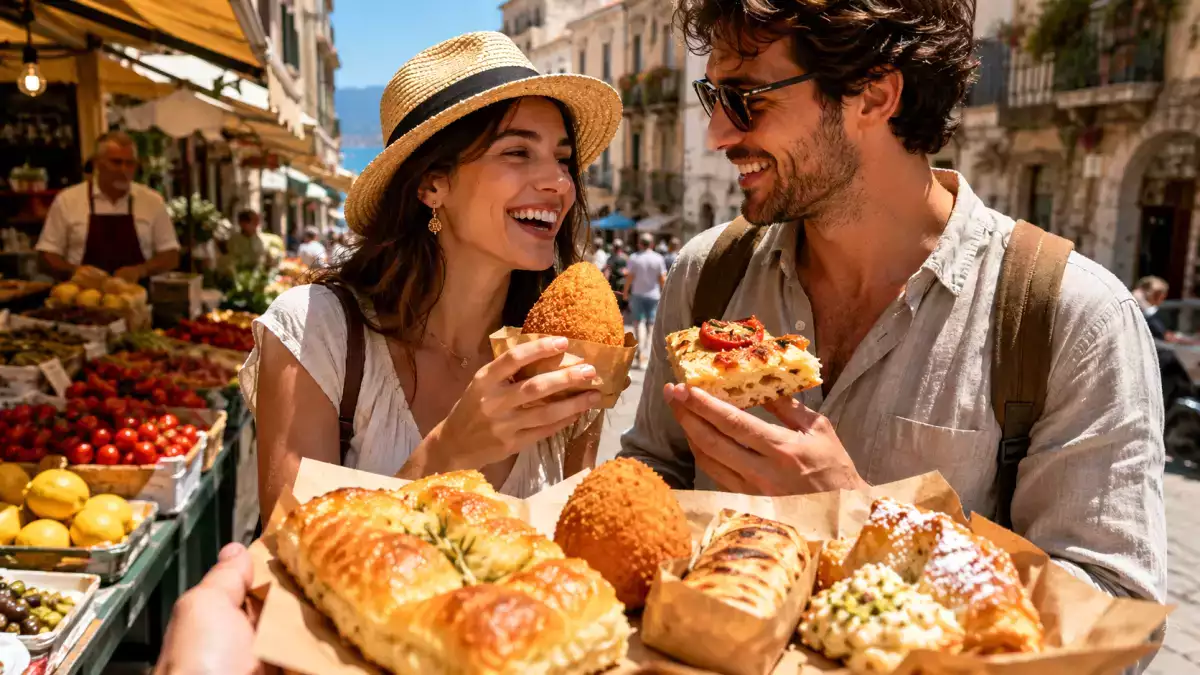
Some people plan a vacation around museums. Others check the distance to the beach before anything else. And then there are those who, before even booking the hotel, want to know where to find the best slice, the best taco, the best bakery line, or the local snack everyone swears by.
That last group finally has a name: snackpacking.
The 2026 travel trend puts local street food, farmers markets, neighborhood bakeries, corner stores, food halls, and regional specialties at the center of the trip. In other words, food is no longer just a break between two tourist stops. It becomes a kind of edible compass, guiding the whole vacation.
No need to book an elaborate tasting menu or spend three hours sitting in a restaurant. Snackpacking is built on quick bites, smells that pull you down a side street, and addresses you discover by talking to people who actually live in the neighborhood.
Ideally, with a napkin in your hand and a few crumbs on your shirt.
What is snackpacking, and what does it mean?
The word snackpacking combines “snack” and “packing,” and the idea is simple: pack your bag with one delicious mission in mind, to discover a destination through the foods people eat every day.
It is not just eating while traveling. It is building a loose food itinerary around small bites, markets, bakeries, food trucks, grocery stores, delis, and local products that are hard to find anywhere else.
The trend is especially popular among younger travelers. American Express’s 2026 Global Travel Trends Report found that 89% of Millennials and Gen Z surveyed say it is important to leave room in their itinerary for local snacks. Other trend reporting notes that 69% of travelers seek out street food stalls, 53% visit bakeries, and 50% explore supermarkets for local flavors.
The difference from traditional food tourism is all in the mood. Snackpacking prefers the counter to the white tablecloth, the paper bag to the tasting menu, and the neighborhood spot to the restaurant designed only for tourists.
Why is snackpacking so popular?
Because it’s spontaneous, accessible, and easy to fit into any vacation. It lets you explore a city without separating the experience of discovery from that of eating: you walk, you look around, and when a delicious aroma wafts by, you change your plans.
A typical snack can reveal a lot about a region. The ingredients show what’s produced locally, the markets reveal daily habits, and the lines outside a bakery help you figure out which spots are truly popular with locals.
Social media has also contributed to the spread of this trend. Unique desserts, hard-to-find products, and visually striking creations grab attention, but snackpacking shouldn’t be reduced to just chasing the viral food trend of the moment.
Often, the most interesting discoveries come from stepping into a shop without neon signs or asking the shopkeeper what the locals eat.
How do you plan a snackpacking trip?
There’s no need to plan a rigid itinerary. Just make a list of possible stops, leaving room for the unexpected and for tips you pick up along the way.
Before you leave, it might be helpful to:
- locate covered markets and local markets;
- note the destination’s local specialties;
- look for historic bakeries, pastry shops, and delis;
- alternate between sweet and savory tastings;
- choose small portions to share;
- check opening days and hours;
- ask locals for recommendations.
The rule is not to turn the trip into a race. Three tastings enjoyed at a leisurely pace can tell you much more than ten stops made while constantly checking the time.
Where to go snackpacking in the U.S.
The United States is practically built for snackpacking. Every region has its own handheld foods, bakery traditions, street snacks, gas-station favorites, farmers market finds, and local specialties worth planning a detour around.
Here are a few cities where snackpacking makes perfect sense:
New York City
New York is a snackpacking dream because every neighborhood has its own edible rhythm.
You can start with a bagel and cream cheese, grab a slice of pizza, split a black-and-white cookie, try dumplings in Chinatown, pick up a chopped cheese in a bodega, or wander through food halls and bakeries until the day plans itself.
The danger is not finding snacks. The danger is thinking you can try them all in one afternoon.
Los Angeles
In Los Angeles, snackpacking often means tacos, fruit carts, Korean bakeries, farmers markets, street vendors, and neighborhood strip-mall gems.
One day might include al pastor tacos, a Japanese convenience-store-style snack run, fresh agua fresca, a farmers market pastry, and something spicy from a food truck you found by accident.
L.A. is perfect for travelers who like their food discoveries spread across neighborhoods rather than packed into one downtown route.
New Orleans
New Orleans understands the power of a snack better than almost anywhere.
Beignets, po’boys, pralines, muffuletta, snowballs, oysters, and late-night bites make the city ideal for eating in small, memorable chapters.
Here, snackpacking is not just about food. It is about rhythm: a bite, a walk, some music, another bite, and suddenly the whole day has become a story.
Chicago
Chicago offers much more than deep-dish pizza, though that can absolutely be part of the plan.
Snackpackers can try Italian beef, Chicago-style hot dogs, Garrett-style popcorn, Polish pastries, Mexican street food, and neighborhood bakeries across the city.
It is a place where one snack can feel like a meal, so sharing is a very smart strategy.
Miami
Miami is a strong snackpacking city because its food culture is fast, sunny, and deeply shaped by Latin American and Caribbean flavors.
Think Cuban pastelitos, croquetas, empanadas, cafecito, tropical fruit, arepas, and key lime pie-inspired sweets.
It is the kind of place where a bakery counter can easily become the highlight of the day.
San Francisco
San Francisco works beautifully for travelers who like bakeries, markets, and small food rituals.
Sourdough, dim sum, farmers market fruit, Mission burritos, egg tarts, seafood snacks, and chocolate shops can all become part of the route.
The Ferry Building alone can turn into a snackpacking stop that lasts much longer than planned.
Philadelphia
Philadelphia may be famous for cheesesteaks, but snackpacking there can go much further.
Soft pretzels, roast pork sandwiches, water ice, tomato pie, hoagies, cannoli, and Reading Terminal Market all make the city easy to explore one bite at a time.
It is generous, direct, and very satisfying.
Seattle
Seattle is perfect for a slower, market-driven snackpacking route.
Pike Place Market, coffee shops, seafood bites, bakeries, doughnuts, smoked salmon, and seasonal fruit all fit naturally into the experience.
It is less about rushing from one viral food to another and more about letting the market decide what happens next.
Smaller towns count too. Snackpacking does not belong only to big cities. In fact, some of the best discoveries happen in small towns, roadside stops, beach communities, college towns, and local farmers markets. A family-run bakery, a regional pie shop, a taco truck outside a gas station, a farm stand with peaches, or a small-town diner counter can tell you just as much about a place as a famous landmark.
Sometimes more.
What should you eat on a snackpacking trip?
The answer depends on the destination, but foods that are easy to share and eat while walking tend to work best.
Think tacos, slices of pizza, dumplings, pastries, regional sandwiches, bakery cookies, local chips, hand pies, empanadas, doughnuts, fruit, cheese, barbecue bites, soft pretzels, and farmers market snacks.
Grocery stores can also be surprisingly fun, especially when traveling abroad or even across regions in the U.S. The snack aisle says a lot about local habits, flavors, and cravings.
You do not have to choose only what looks good in photos. Some of the least photogenic foods have the best stories, and sometimes the plain brown paper bag is hiding the thing you will remember most.
How much does snackpacking cost?
The cost depends on the destination and how many stops you make, but snackpacking can be easier to control than a full restaurant itinerary.
Setting a daily snack budget helps. So does sharing portions. Splitting a pastry, a sandwich, a taco order, or a bag of local chips lets you try more without spending too much or wasting food.
That said, street food does not always mean cheap food. In very touristy areas, even a small bite can be surprisingly expensive, so it is always worth checking the price before ordering.
The sweet spot is usually a mix: one famous stop, one local recommendation, one market find, and one completely unplanned bite.
A trip to remember, one bite at a time
Snackpacking offers a lighter, more curious way to experience a destination.
It does not replace museums, monuments, beaches, or long dinners. It simply adds flavors, smells, conversations, and little discoveries that are hard to forget.
A slice eaten on a park bench, the smell of a bakery opening in the morning, a gas-station snack you would never find at home, or a recommendation from someone behind the counter can become as memorable as a photo in front of a landmark.
And when someone asks how the trip went, your answer might begin like this:
“Great. You have to try…”
 Leandra Masha
Comments