Can you really eat avocado every day? What the experts say (and what to avoid)
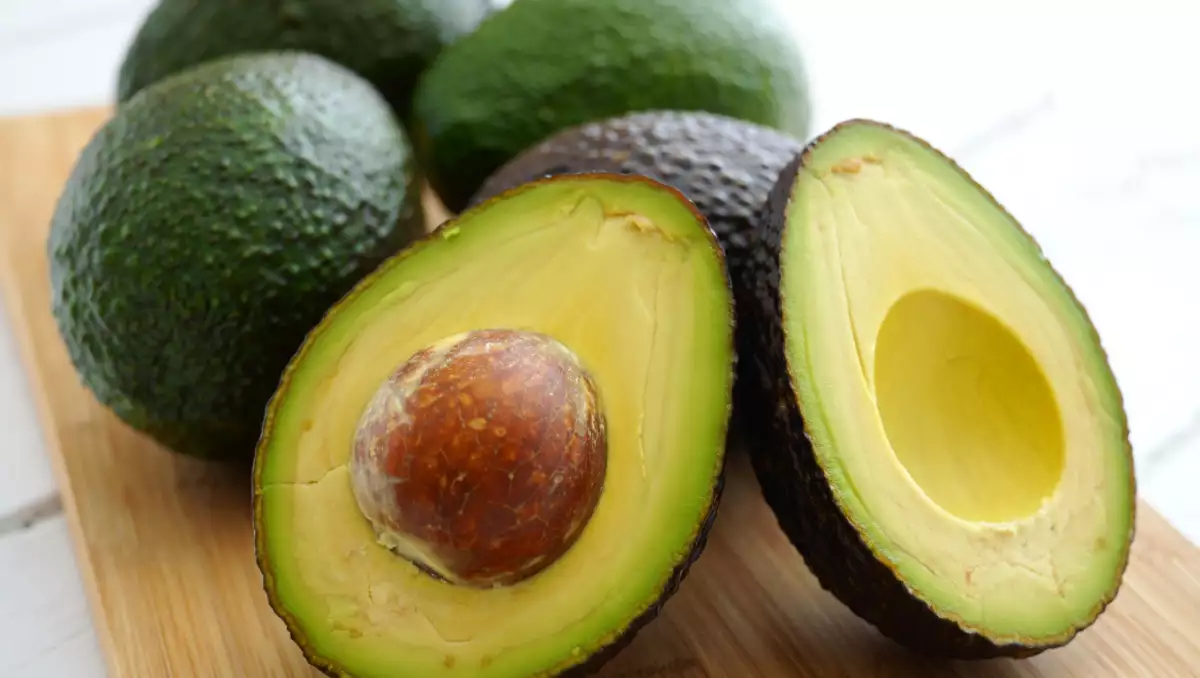
Long reserved for a few “exotic” recipes, the avocado is now everywhere in the U.S. On toast, in salads, in guacamole, or even in desserts… it has become a staple on American plates.
But with this rapid rise in popularity, one question keeps coming up: can you eat it every day without any downside? Because behind its “superfood” image, avocado also has some nutritional specifics worth understanding. So, is it an everyday health ally or something to enjoy in moderation? Let’s take a closer look.
Avocado: not your typical fruit
First surprise: yes, avocado is technically a fruit.
But unlike most fruits, it’s not known for its sugar content—it stands out for its fat content.
That’s what makes it unique nutritionally.
And not just any fats.
“Good” fats… with real benefits
This is often what raises eyebrows at first.
With about 160 calories per 100 g and a high fat content, avocado can seem heavy. But what matters is the type of fat.
Avocados are rich in monounsaturated fats, which are considered beneficial.
These fats help:
- support cardiovascular health
- regulate cholesterol levels
- protect cells
So despite what you might think, they’re not something to avoid.
A real nutritional powerhouse
Beyond fats, avocados are also packed with nutrients.
They contain:
- fiber
- vitamin C
- vitamin E
- B vitamins
- potassium
A well-rounded mix that supports several aspects of health.
In particular, they can:
- aid digestion
- support the immune system
- reduce oxidative stress
Can you eat it every day?
Good news: yes… with a bit of balance.
Experts generally agree that including avocado in your daily diet isn’t a problem.
A reasonable portion fits perfectly into a balanced eating pattern.
The most common recommendation:
- half an avocado per day
- or one small avocado
That’s enough to get the benefits without overdoing it.
Research is reassuring
Several studies have looked into this.
A 2024 study published in Current Developments in Nutrition found that people who ate one avocado per day tended to have an overall higher-quality diet.
Another large study (over 100,000 participants, Journal of the American Heart Association, 2022) linked avocado consumption to a lower risk of cardiovascular disease.
Does avocado make you gain weight?
This is probably the most common concern.
No, avocado doesn’t cause weight gain on its own.
Like any food, it depends on:
- quantity
- frequency
- your overall diet
In fact, its fat content helps with satiety.
That means it can help reduce cravings and snacking.
But keep in mind:
- eating it in excess
- adding it to already rich meals
- can lead to excess calories.
The real trap: treating it like a miracle food
This is where things can get tricky.
Because of its popularity, avocado is sometimes seen as a “perfect” food. But no single food can meet all your needs.
The risk? Eating the same thing over and over.
That can lead to:
- nutritional imbalance
- lack of variety
- long-term deficiencies
Balance and diversity always matter most.
An environmental impact to consider
This is a point that’s coming up more and more in the U.S.
Most avocados consumed in the United States are imported, mainly from:
- Mexico
- Peru
- Colombia
Their production and long-distance transport come with a significant environmental footprint.
Something worth keeping in mind if you eat them regularly.
Domestic production exists (especially in California and Florida) but it covers only a small share of demand.
How to include avocado wisely
Rather than overdoing it, the key is to use it thoughtfully.
For example:
- on toast with a protein (eggs, cheese…)
- in a balanced salad
- as a substitute for heavier sauces
It can easily become a daily ally… as long as you pair it well.
 Adèle Peyches
Comments
PETERZBYSZEK
* HAVE BEEN HAVING IN A SALAD OF LETTUCE/TOMATO/CUCUMBER/CAPSICUM
- WILL NOW START WITH HALF AN AVO EVERY 2 DAYS OR SO