Crispy breading guide: how to choose the right coating for cutlets, vegetables, and fish
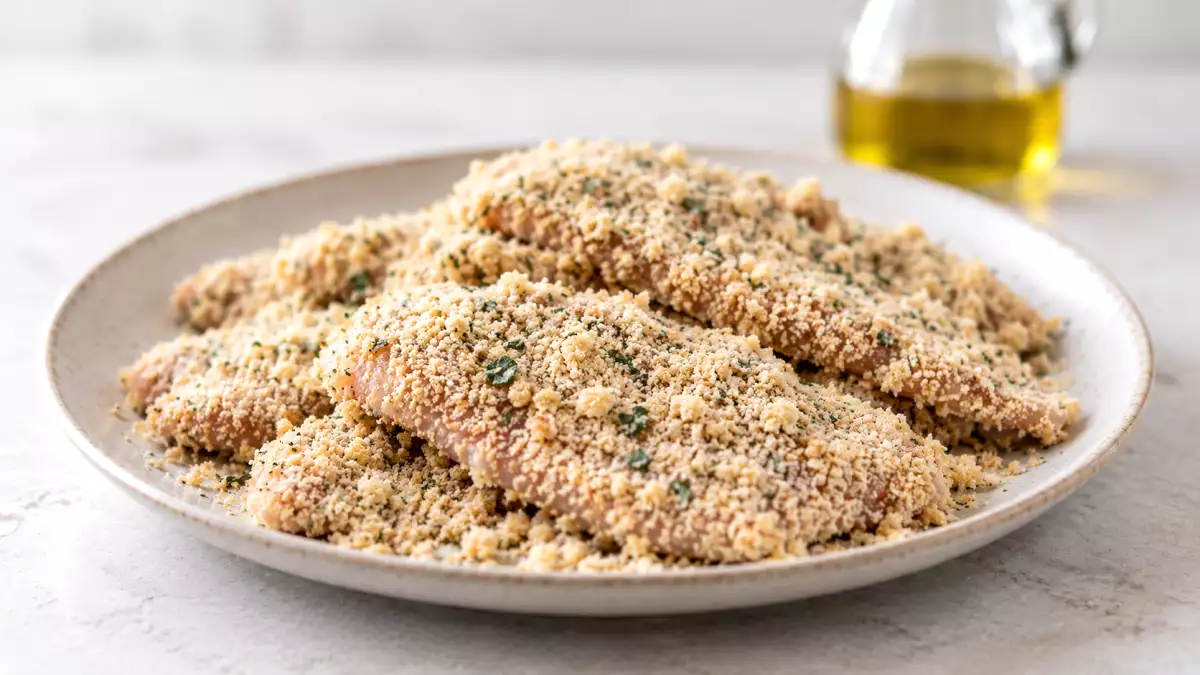
A crispy breading is a little bit of culinary magic: it seems simple, but it doesn’t take much to go from a golden cutlet to a soggy coating that falls off at the first cut.
Choosing the right breading isn’t just a matter of grabbing some breadcrumbs and hoping for the best: the texture, the moisture content of the food, the cooking method, and even the resting time before it goes into the pan or oven all matter.
Here’s how to navigate your way through breadcrumbs, panko, cornmeal, nuts, batter, and double breading—without overcomplicating dinner.
Classic breadcrumbs: the go-to ingredient in home cooking
Breadcrumbs are the most common choice: fine, uniform, and golden.They work well on chicken cutlets, thin slices of meat, eggplant, zucchini, meatballs, and croquettes. To make them more interesting, avoid ones that are too fine and powdery: they absorb moisture and can become compact. A medium-grain variety is better, perhaps mixed with Parmesan, herbs, lemon zest, or paprika.
For a coating that sticks well, the classic method remains unbeatable: flour, egg, and breadcrumbs. When baking, add a drizzle of oil to the coating; when pan-frying, make sure the oil is hot but not smoking, so the crust seals without burning.
Panko: Light and airy crispiness
Which is better, panko or breadcrumbs? It depends on the recipe. Breadcrumbs are denser and have a more homemade texture, while panko is lighter and crispier. It often yields better results in the oven or air fryer, especially if you toast it for a few minutes in a pan with a drizzle of oil before using it.
Cornmeal and semolina: a rustic crust that dries well
How do you make a crispy breading without eggs? You can use yogurt, milk, unsweetened plant-based milk, mild mustard, or a light batter made with water. The key is not to use too much liquid: it should help the coating stick, not cause it to slide off.
Dried fruit, seeds, and corn flakes: more flavor and more character
The rule is simple: pieces that are too large will fall off, while pieces that are too fine will turn into flour. Aim for an irregular texture, but don’t overdo it. When baking, keep an eye on the dish during the last few minutes: nuts and seeds brown quickly.
Batter: for zucchini flowers, shrimp, and vegetables
Why doesn’t the batter turn out crispy? Often the oil isn’t hot enough or the batter is too thick. It should just lightly coat the ingredient, not cover it like a coat. Fry a few pieces at a time and season with salt only at the end.
Double breading: when it's really necessary
Don’t use it all the time: it can be too heavy on a delicate fish fillet, and on thin vegetables, it can mask the flavor. It works best when the crust is meant to be the star of the dish. Letting the dish rest in the refrigerator for 15–20 minutes before cooking helps the breading set.
Oven, deep fryer, or air fryer: the choice varies
- Chicken and cutlets: breadcrumbs, panko, or double breading.
- Fish: semolina, panko, nuts, or lemon-flavored breadcrumbs.
- Vegetables: cornmeal, breadcrumbs, panko, or batter.
- Croquettes: medium-coarse breadcrumbs or double breading.
- Oven-baked recipes: panko, nuts, or seasoned breadcrumbs.
Why does the breading fall off?
Also, avoid flipping the food too soon. Let a crust form before touching it, whether in a pan or in the oven. With watery vegetables like zucchini and eggplant, be careful with salt: if you add it too early, it draws out moisture and softens the coating.
The final choice: every breading has its moment
Before choosing, ask yourself: do you want a thin or thick crust? Will you be baking, pan-frying, or using an air fryer? Is the ingredient dry or moist? With these answers, the right breading almost chooses itself. And when you hear that “crack” with the first bite, dinner takes on a whole new dimension.
 Francesco Rosso
Comments