Curious about natto? The “superfood” buzz needs a reality check
Wednesday 16 September 2026 17:00 - Juliette Hess
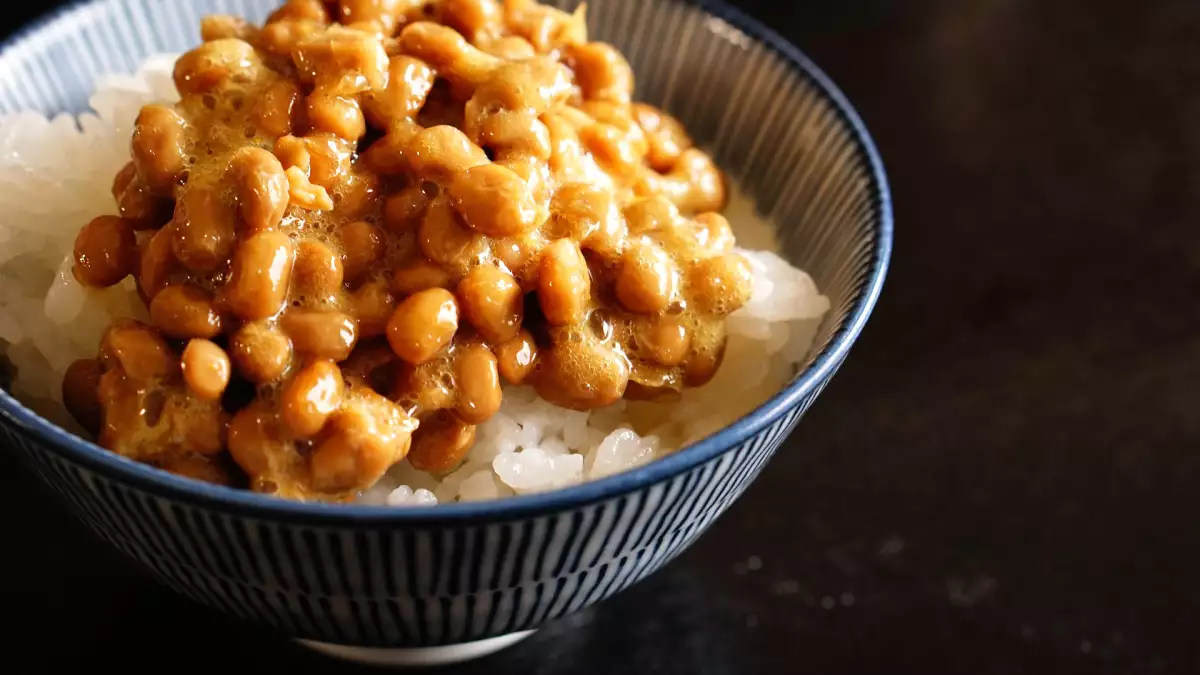
There is a real reason for the attention: natto is made from fermented soybeans, it contains plant protein, fibre, vitamin K2 and fermentation-related compounds such as nattokinase. But that does not mean every claim attached to natto is proven, universal or safe for everyone.
The useful way to look at natto is this: it can be a nutrient-rich fermented food in a balanced diet, but it is not a magic cure. The stronger the health claim sounds, the more carefully it needs to be checked.
Why natto is suddenly attracting global attention
Natto has long been part of Japanese food culture, often eaten with rice, mustard, soy sauce or spring onions. What is changing now is the global appetite for fermented foods and foods with a health story.
For people outside Japan, natto can feel unusual: sticky, stringy, savoury and intense. That same unusual texture also makes it memorable, especially on social media and in wellness conversations.
The problem is that novelty plus nutrition can quickly become exaggeration. Natto does not need to be oversold to be interesting.
For people outside Japan, natto can feel unusual: sticky, stringy, savoury and intense. That same unusual texture also makes it memorable, especially on social media and in wellness conversations.
The problem is that novelty plus nutrition can quickly become exaggeration. Natto does not need to be oversold to be interesting.
What natto genuinely offers nutritionally
Natto starts with soybeans, which means it brings plant protein, fibre and minerals. Fermentation changes the food’s texture, flavour and some of its bioactive compounds.
Its most famous nutrient is vitamin K2, especially menaquinone-7, often shortened to MK-7. Vitamin K plays a role in normal blood clotting and is linked to proteins involved in bone metabolism.
That makes natto nutritionally interesting, especially compared with many ultra-processed snacks that are also marketed as healthy.
Its most famous nutrient is vitamin K2, especially menaquinone-7, often shortened to MK-7. Vitamin K plays a role in normal blood clotting and is linked to proteins involved in bone metabolism.
That makes natto nutritionally interesting, especially compared with many ultra-processed snacks that are also marketed as healthy.
The vitamin K2 claim: promising, but not a shortcut
Natto is one of the best-known dietary sources of vitamin K2. Research has shown that natto intake can increase circulating MK-7 levels and influence markers related to osteocalcin, a protein involved in bone health.
That does not mean eating natto automatically prevents fractures or replaces a balanced diet, exercise, sunlight, calcium, vitamin D or medical care.
The realistic message is: natto can contribute to vitamin K2 intake, but bone health depends on a much bigger pattern.
That does not mean eating natto automatically prevents fractures or replaces a balanced diet, exercise, sunlight, calcium, vitamin D or medical care.
The realistic message is: natto can contribute to vitamin K2 intake, but bone health depends on a much bigger pattern.
The nattokinase claim needs the most caution
Natto contains nattokinase, an enzyme often promoted for circulation, blood pressure or clot-related benefits. This is where marketing can run ahead of evidence.
Laboratory and small human studies are not the same as proof that natto or nattokinase supplements prevent heart attacks, strokes or blood clots in real-world patients.
Anyone taking blood thinners, antiplatelet medication, blood pressure medication or preparing for surgery should be especially cautious and should speak with a healthcare professional before using concentrated nattokinase supplements or making major dietary changes.
Laboratory and small human studies are not the same as proof that natto or nattokinase supplements prevent heart attacks, strokes or blood clots in real-world patients.
Anyone taking blood thinners, antiplatelet medication, blood pressure medication or preparing for surgery should be especially cautious and should speak with a healthcare professional before using concentrated nattokinase supplements or making major dietary changes.
Fermented does not automatically mean probiotic miracle
Natto is fermented with Bacillus subtilis, which gives it its sticky texture and distinctive aroma. Fermented foods can add diversity and flavour to the diet, and some contain live microorganisms.
But the word fermented should not be treated as a guarantee of a specific health outcome. Benefits depend on the food, the microbes, the serving size, the rest of the diet and the person eating it.
A realistic claim is that natto is a fermented food with interesting nutritional features, not that it fixes gut health by itself.
But the word fermented should not be treated as a guarantee of a specific health outcome. Benefits depend on the food, the microbes, the serving size, the rest of the diet and the person eating it.
A realistic claim is that natto is a fermented food with interesting nutritional features, not that it fixes gut health by itself.
The mortality and longevity headlines need context
Some studies in Japanese populations have linked higher intake of fermented soy foods, including natto, with lower mortality risk. These findings are interesting because they look at food patterns over time.
But observational studies cannot prove that natto alone caused the lower risk. People who eat more fermented soy may also have different overall diets, lifestyles, health habits or cultural patterns.
This is why the best interpretation is cautious: natto may fit into a healthy dietary pattern, but it should not be treated as a single longevity hack.
But observational studies cannot prove that natto alone caused the lower risk. People who eat more fermented soy may also have different overall diets, lifestyles, health habits or cultural patterns.
This is why the best interpretation is cautious: natto may fit into a healthy dietary pattern, but it should not be treated as a single longevity hack.
Who should be careful with natto?
The biggest caution is for people who need consistent vitamin K intake because of medication, especially certain anticoagulants. Natto is rich in vitamin K2, so sudden changes in intake may matter.
People with soy allergy should avoid natto. Anyone with a complex medical condition, bleeding disorder, or medication that affects clotting should ask a healthcare professional before using nattokinase supplements or eating natto frequently for a health goal.
Food can be powerful without being risk-free for everyone.
People with soy allergy should avoid natto. Anyone with a complex medical condition, bleeding disorder, or medication that affects clotting should ask a healthcare professional before using nattokinase supplements or eating natto frequently for a health goal.
Food can be powerful without being risk-free for everyone.
How to try natto without forcing it
If you are curious, start small. Natto is commonly eaten with rice, soy sauce, mustard, spring onions, raw egg in Japan, or added to bowls where its strong flavour is balanced by neutral ingredients.
Because the texture is the biggest barrier for many people, it can help to mix it well, pair it with warm rice and add something sharp or savoury.
You do not need to eat a large portion or turn it into a daily ritual to find out whether you like it.
Because the texture is the biggest barrier for many people, it can help to mix it well, pair it with warm rice and add something sharp or savoury.
You do not need to eat a large portion or turn it into a daily ritual to find out whether you like it.
The takeaway
Natto deserves attention as a traditional fermented soybean food that offers protein, fibre, vitamin K2 and a distinctive fermentation profile.
But the “superfood” label can make the evidence sound stronger than it is. Vitamin K2 is relevant, nattokinase is scientifically interesting, and fermented soy foods may fit into healthy patterns, but none of that turns natto into a cure-all.
The best reason to eat natto is not because it promises miracles. It is because you enjoy it, it fits your diet, and you understand what the claims can and cannot prove.
But the “superfood” label can make the evidence sound stronger than it is. Vitamin K2 is relevant, nattokinase is scientifically interesting, and fermented soy foods may fit into healthy patterns, but none of that turns natto into a cure-all.
The best reason to eat natto is not because it promises miracles. It is because you enjoy it, it fits your diet, and you understand what the claims can and cannot prove.
 Juliette Hess
I have been creating culinary content for Petitchef since 2017.
I love travelling and discovering new dishes, trying out new food trends and exploring new restaurants.
I’m a huge fan of pasta and noodles in all their forms ❤ from udon noodles to tagliatelle, I love cooking them and even making them from scratch!
I’m currently preparing, filming and photographing your next recipe, and I hope you’ll enjoy it!
I love travelling and discovering new dishes, trying out new food trends and exploring new restaurants.
I’m a huge fan of pasta and noodles in all their forms ❤ from udon noodles to tagliatelle, I love cooking them and even making them from scratch!
I’m currently preparing, filming and photographing your next recipe, and I hope you’ll enjoy it!
Comments