Did you just clean some fresh porcini mushrooms? The one simple thing you should absolutely avoid doing before cooking them
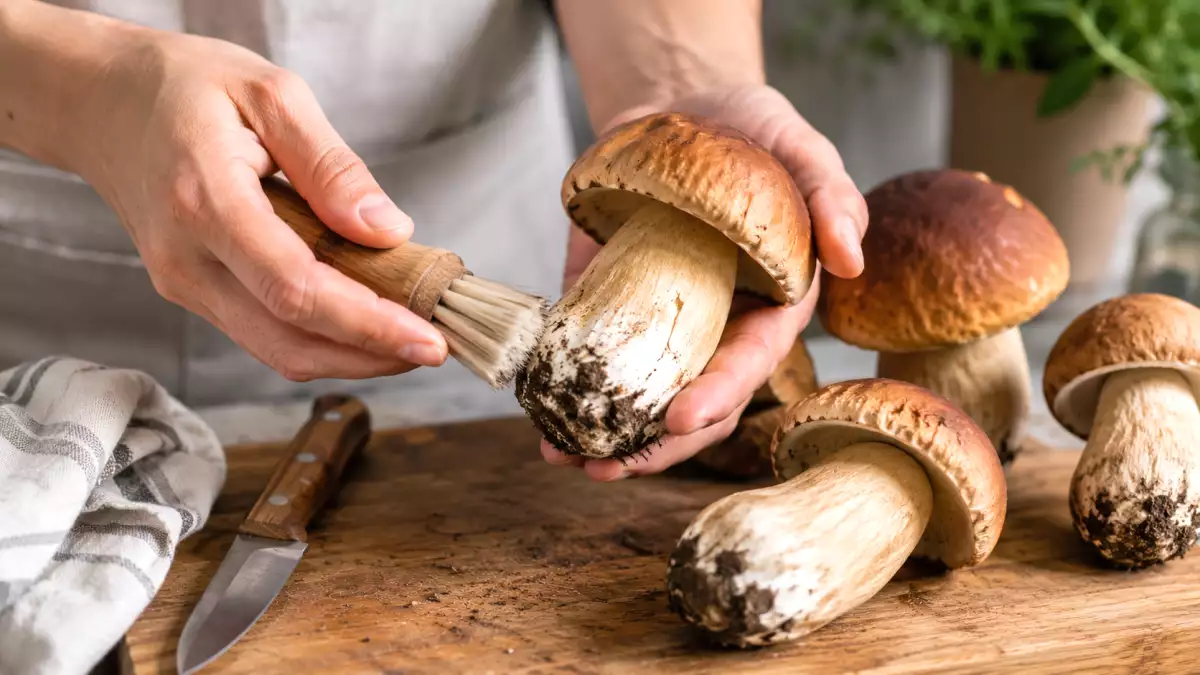
Fresh porcini mushrooms have that woodsy aroma that instantly makes you crave risotto, tagliatelle, or sautéed mushrooms. However, before they hit the pan, there’s one step that can make all the difference: cleaning them without soaking them in water.
Rule #1: Take a good look at the mushroom
Examine the cap, the stem, and the underside. The cap should be firm, not slimy, and free of any suspicious, overly extensive spots. The stem may have some soil residue at the base, but it must be firm. If you notice any soft, blackened, bruised areas, or the obvious presence of larvae, those parts should be removed and discarded.
This step also helps you decide how to proceed: a porcini that’s only slightly dirty requires minimal handling; one that’s very earthy needs more attention, but not a soak in water. The classic question is: Can you wash fresh porcini? It’s best to avoid it whenever possible. Water should be used only sparingly, because mushrooms tend to absorb it and become less aromatic and softer when cooked.
How can you remove the dirt from porcini mushrooms without damaging them?
Gently remove the dirt, starting from the base of the stem. Using a small, clean knife, you can remove only the dirtiest part by scraping lightly without cutting too deeply. The goal isn’t to “peel” the mushroom, but to remove any residue that shouldn’t end up on your plate.
For the rest of the porcini mushroom, use gentle tools. A kitchen brush, a soft toothbrush used exclusively for food, or a slightly damp cloth are sufficient in most cases. Use a light touch, especially on the cap, which can easily get marked.
Here’s a simple step-by-step guide:
- Inspect the whole porcini mushroom without cutting it right away.
- Remove the dirt from the base of the stem with a small knife.
- Gently brush the cap and stem.
- Wipe with a slightly damp cloth only where dirt remains stubborn.
- Remove any damaged, soft, or overly dark parts.
- Cut the porcini mushrooms only after cleaning them, so they absorb less moisture.
The trick is to take your time: a well-cleaned porcini mushroom retains its aroma, texture, and that rich flavor that makes it so beloved in fall recipes.
Brush or Cloth: Which to Use and When
A damp cloth, on the other hand, should be used when the dirt is more stubborn. The key word is “damp,” not wet. Wring it out well and wipe only the necessary areas. Afterward, pat dry with paper towels or a dry cloth to remove excess moisture.
Many people wonder: how do you clean very dirty porcini mushrooms? If they’re covered in dirt, work in stages: first use a small knife at the base, then a brush, then a cloth. If there’s a spot that just won’t come clean, it’s better to remove a small portion with the knife rather than submerging the entire mushroom in water. This way, you’ll avoid ending up with watery porcini that are less fragrant and harder to brown.
The damaged parts should be separated
This step is also important for the final result in the kitchen. Damaged parts may have unpleasant odors, a mushy texture, and a less clean flavor. Separating them allows you to use only the best part of the mushroom and create more balanced dishes.
If the porcini mushroom is severely damaged, has a bad odor, or appears spoiled, it’s best not to eat it. Cooking always starts with healthy ingredients: with mushrooms, this rule applies twice as much.
Please note: Cleaning does not mean certifying that the product is safe to eat.
For mushrooms you’ve picked yourself, it’s not enough to compare photos online, ask an acquaintance, or rely on their appearance. In Italy, there are mycological inspection offices run by the local health authorities (ASL), where qualified staff can examine the mushrooms you’ve collected and verify their edibility. This is a crucial step in preventing poisoning and ensuring safer mushroom consumption.
So the question isn’t just: How do you clean fresh porcini mushrooms? The right question—if you’ve picked them yourself—is also: Have they been inspected by a mycologist? Only after this verification does it make sense to think about cleaning, cutting, and cooking them.
When should you clean them, and how should you store them before cooking?
If you need to store them for a short time, keep them in the refrigerator in a ventilated container or a paper bag, avoiding sealed plastic bags and condensation. Do not wash them before storing them: it’s best to remove only the most obvious dirt and finish cleaning them just before preparing your dish.
To cut them, use a clean knife and proceed according to the recipe: thicker slices for grilling or pan-frying, thin strips for pasta dishes, and even-sized pieces for soups and side dishes. Here, too, the less water they contain, the better they’ll hold up to heat.
From the Forest to the Pan: How to Prepare Porcini Mushrooms the Right Way
The result? More aromatic mushrooms, better texture, and less water in the pan. But safety comes before taste: if the porcini have been foraged, they must be inspected by a mycologist. Thorough cleaning enhances the dish, but it never replaces professional identification.
 Daniele Mainieri
Comments