Does your meat lose a lot of juices when you cut it? Waiting a few minutes can make all the difference
Monday 12 October 2026 10:00 - Adèle Peyches
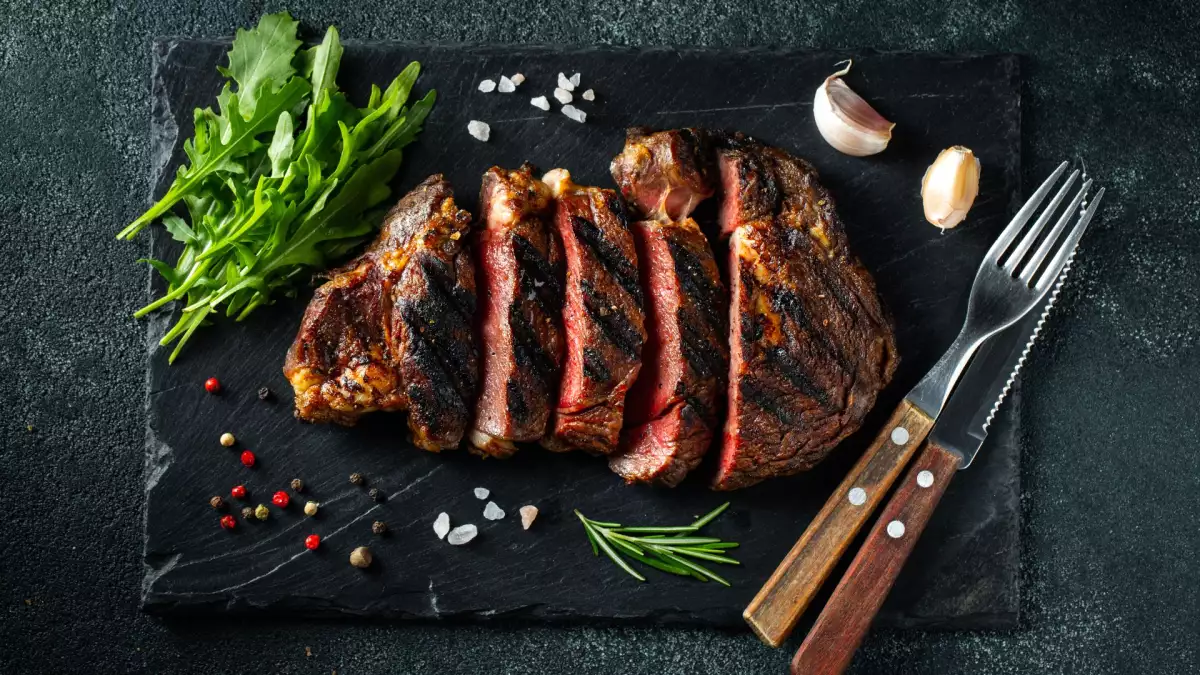
Why should you avoid cutting the meat right after removing it from the heat?
When the meat is done cooking, it’s still very hot—especially on the surface—and its temperature may continue to rise for a few minutes. If you slice it immediately, the juices inside the meat will flow out more easily as you cut it.
Letting the meat rest for a while mainly ensures that you don’t slice it when it’s at its hottest. It also allows the center to finish cooking more gently—a process sometimes called residual cooking.
Letting the meat rest for a while mainly ensures that you don’t slice it when it’s at its hottest. It also allows the center to finish cooking more gently—a process sometimes called residual cooking.
Steak, duck breast, roast: we don't expect the same thing from each
There’s no need to pull out a timer for every cut. The size—and especially the thickness—of the meat matters more than any universal rule. A fairly thin steak only needs a short rest: if you let it rest too long, it will simply cool down. A duck breast or a thick cut of meat can handle a slightly longer rest. As for a roast, its substantial mass means it retains heat much longer.
For steaks, chops, and roasts of beef, pork, veal, or lamb, the U.S. Department of Agriculture’s Food Safety and Inspection Service (USDA-FSIS ) recommends letting them rest for at least 3 minutes after reaching the minimum safe internal temperature.
For steaks, chops, and roasts of beef, pork, veal, or lamb, the U.S. Department of Agriculture’s Food Safety and Inspection Service (USDA-FSIS ) recommends letting them rest for at least 3 minutes after reaching the minimum safe internal temperature.
Resting shouldn't make you forget to check the core temperature
This is especially important with meat: letting it rest is never a substitute for cooking it thoroughly. The color or appearance of the juices alone is not a reliable indicator of whether meat has reached a safe temperature.
The USDA-FSIS reminds us that a meat thermometer remains the most reliable way to check for doneness. Its recommendations specify a minimum of 62.8 °C for steaks, chops, and roasts of beef, pork, veal, and lamb, with at least 3 minutes of resting time, and 71.1 °C for ground meats.
The USDA-FSIS reminds us that a meat thermometer remains the most reliable way to check for doneness. Its recommendations specify a minimum of 62.8 °C for steaks, chops, and roasts of beef, pork, veal, and lamb, with at least 3 minutes of resting time, and 71.1 °C for ground meats.
Should the meat be covered while it's cooking?
For a large cut of meat, you can cover it lightly so it loses heat more slowly. But there’s no need to wrap it airtight: a blanket that’s too tight traps steam and can soften a surface that you’ve taken special care to sear.
A loosely placed sheet of aluminum foil may be enough for a roast or a large rib. For a steak or duck breast that only needs to rest for a few minutes, you can often simply leave it on a plate or cutting board.
A loosely placed sheet of aluminum foil may be enough for a roast or a large rib. For a steak or duck breast that only needs to rest for a few minutes, you can often simply leave it on a plate or cutting board.
A Few Real-Life Examples to Help You Find the Right Balance of Rest
When it comes to a steak, the key is simply not to rush to cut it with a knife as soon as it comes out of the pan. For a duck breast, letting it rest for a few minutes allows it to finish cooking gently before slicing it. With a roast, resting is even more important because it takes longer for the heat to even out between the outside and the center.
And above all, it’s best to follow a flexible rule: the thicker and larger the cut, the more it benefits from resting time. Here are a few Ptitchef recipes to put theory into practice:
And above all, it’s best to follow a flexible rule: the thicker and larger the cut, the more it benefits from resting time. Here are a few Ptitchef recipes to put theory into practice:
How to cook a hamburger?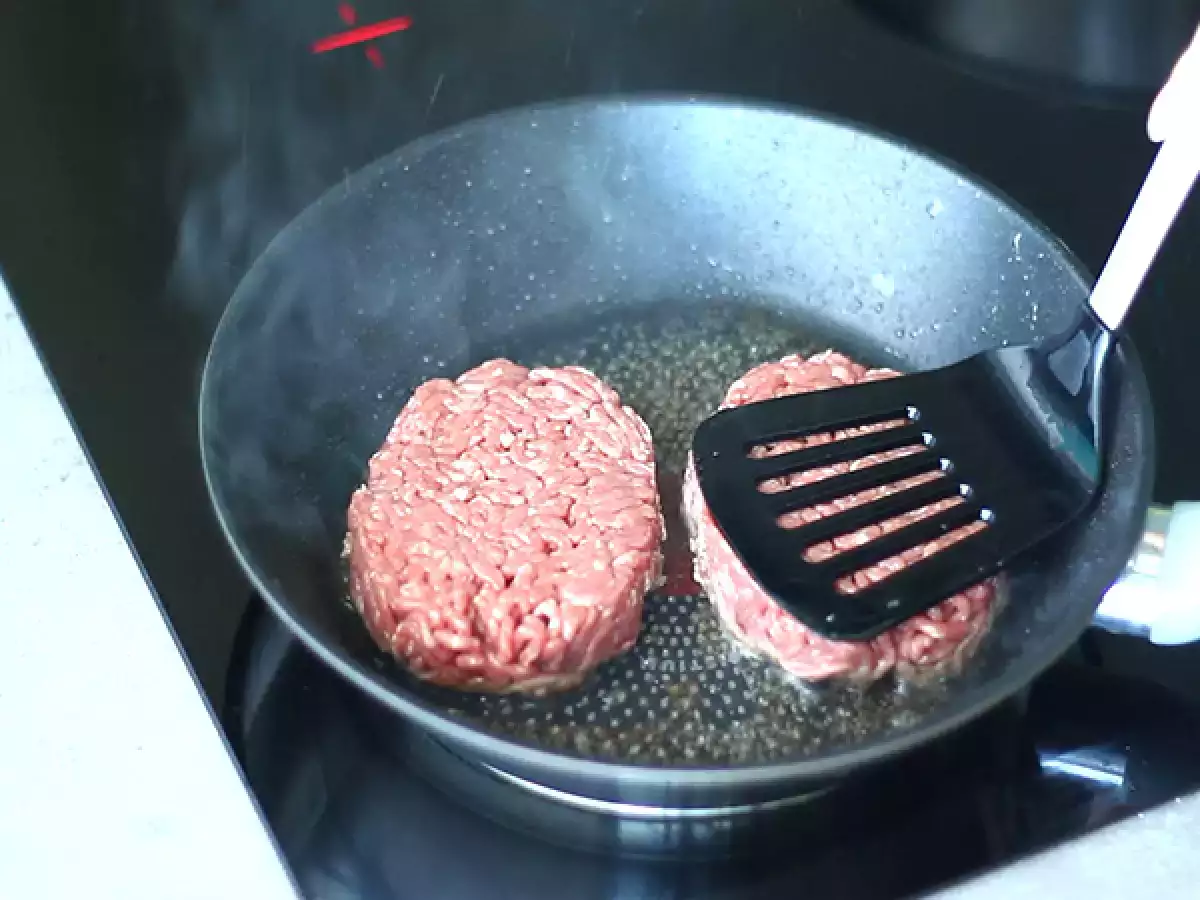
Do you want to achieve the perfect cooking for your hamburger? Today Petitchef gives you his best tips for a juicy ground steak on the inside and well grilled on the outside! :-)
How to cook a pork roast in the oven?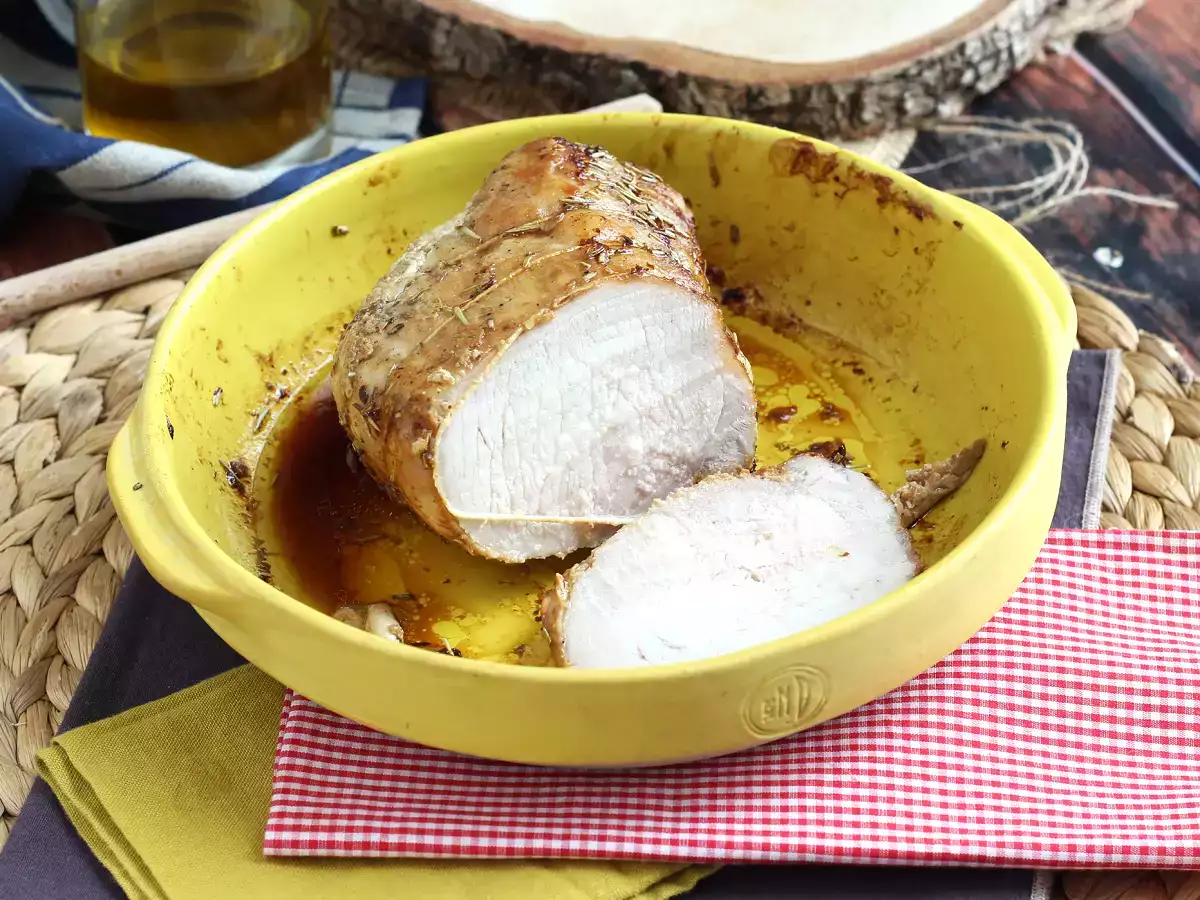
When we think about a Sunday meal, we often have a roast accompanied by sautéed potatoes and green beans in mind ;-) So we offer you our recipe for roast pork baked in the oven along with all our tips for optimized preparation :-) Time, temperature,...
 Adèle Peyches
Editorial manager who just can't wait for winter to enjoy fondue! Passionate about gastronomy and always on the lookout for new culinary gems, I first studied law before returning to my first love: the taste of good products and the joy of sharing around the table :)
Comments