How to cook a pork roast in the oven?
vote now
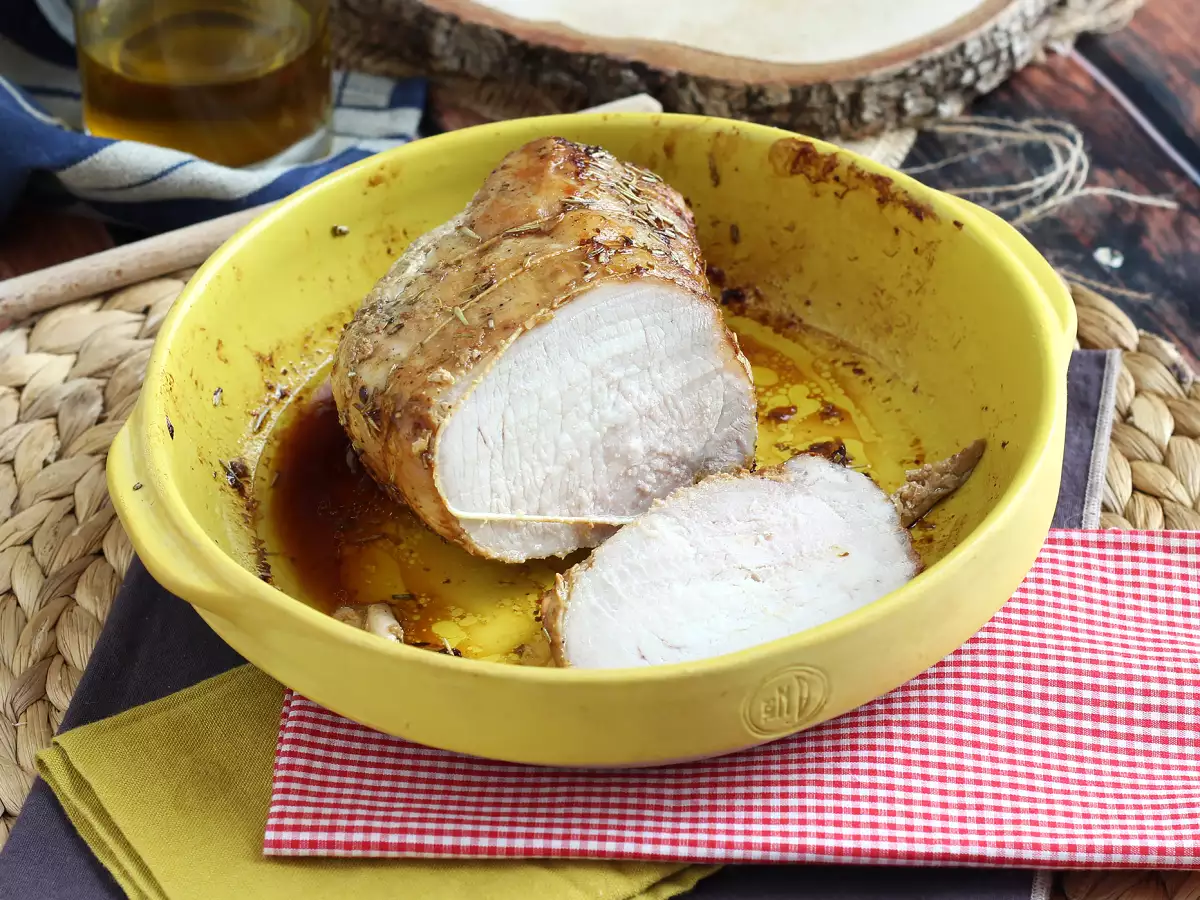
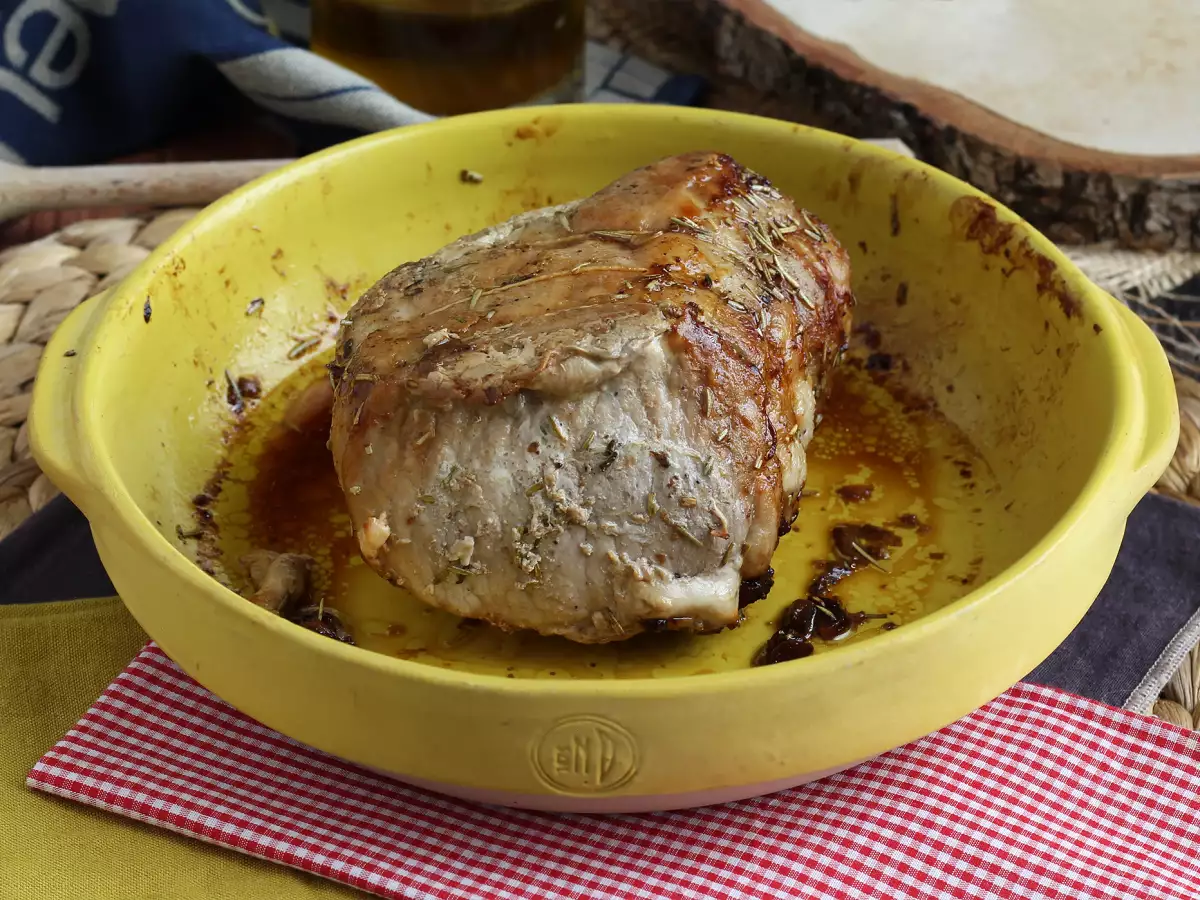
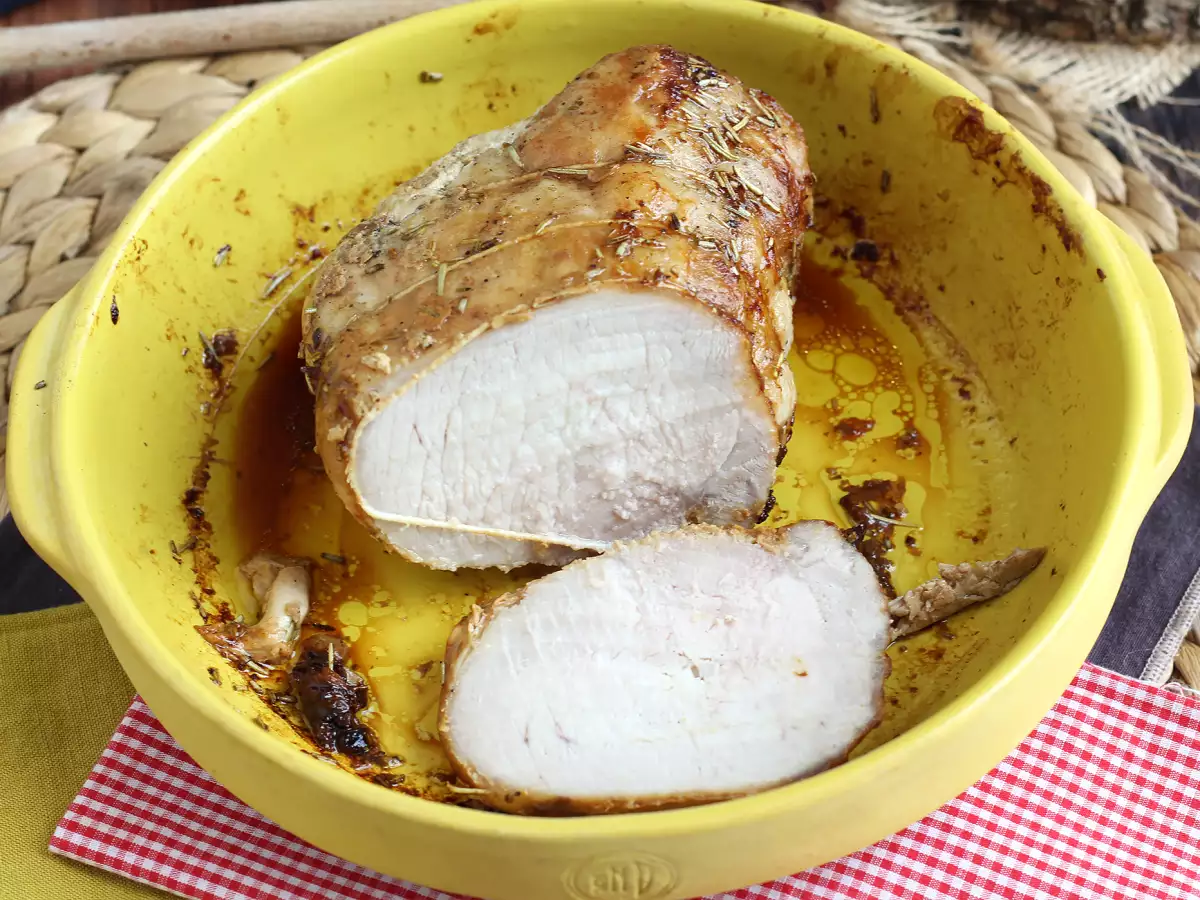
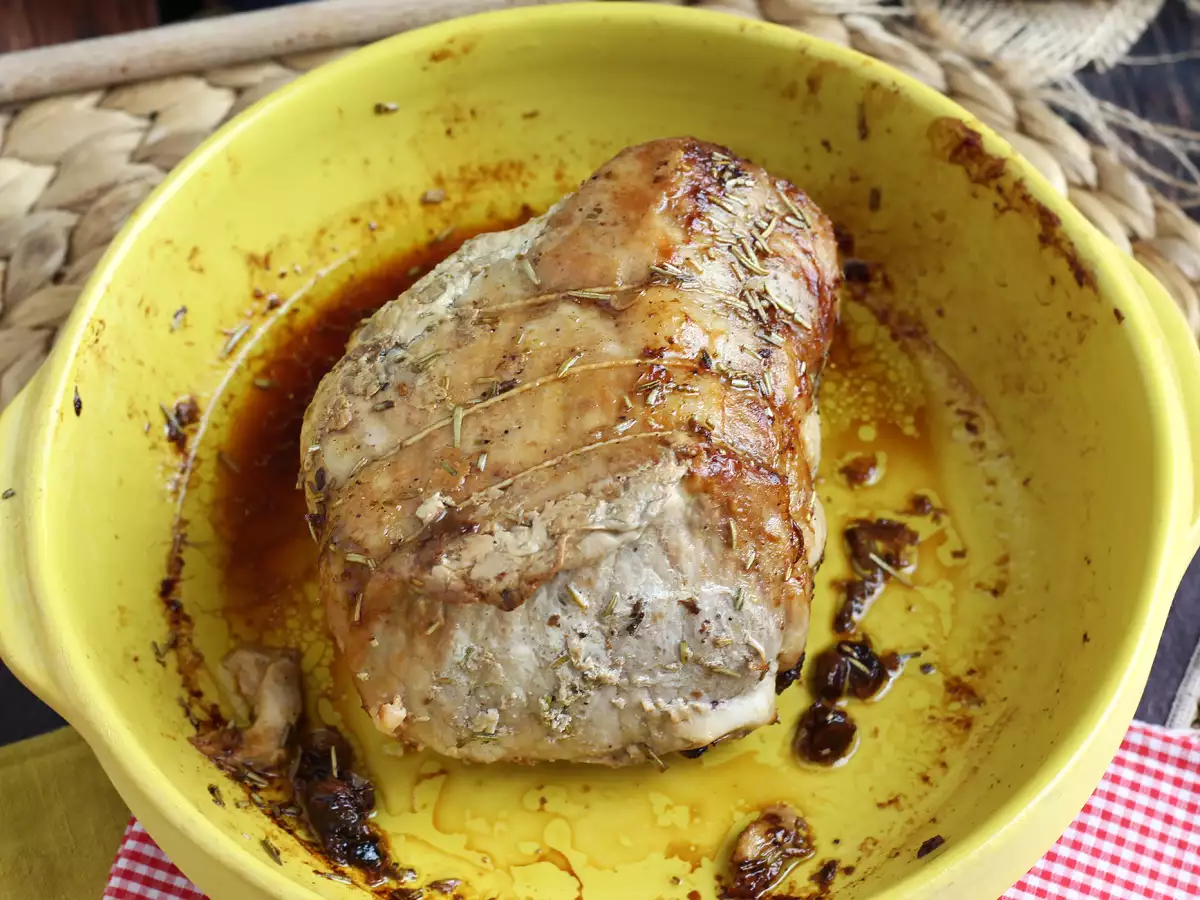
When we think of a Sunday meal, we often picture a roast served with sautéed potatoes and green beans. This traditional recipe is one of the great classics of French cuisine, loved for its homely, comforting feel. Here, we share our roast pork recipe, cooked in the oven, along with all our tips for making it perfectly. The secret to tender, juicy meat lies in mastering a few simple but essential techniques. Cooking time, temperature, side dishes—follow our guide to make this classic dish a success!
Ingredients
20
Materials
- 1 baking dish
- 1 brush (optional)
Preparation
Preparation8 min
Waiting time30 min
Cook time1 hour
 Remove the meat from the fridge 30 minutes before. Melt the butter and mince the garlic clove. Pour about half the olive oil into the bottom of a baking dish and spread it well. Place the pork on top.
 Pour the remaining olive oil over the meat along with the melted butter. Season with salt and pepper. Add the garlic and rosemary. Spread evenly with a brush (or your hands!).
 Add the water to the bottom of the dish and then place the meat in the oven for 1 hour at 180°C (350°F). Baste regularly and turn halfway through cooking.
 And there you have it, your roast pork is ready! You can serve it with potatoes, carrots, mashed potatoes, or even a salad! Enjoy!
FAQ ❓
Should you cover roast pork while it cooks in the oven?
Covering the roast with parchment paper or a lid for the first 30 to 40 minutes helps keep it moist. Then you can remove the lid so the top can brown. Basting the roast regularly with its juices also helps prevent it from drying out.
How can you tell when roast pork is cooked through?
The most reliable method is to use a meat thermometer: the internal temperature should reach 70–75°C (158–167°F). Visually, a fully cooked roast feels firm to the touch, and the juices that run out are clear. Avoid cooking it for too long, as this could dry out the meat.
Should you sear the roast before putting it in the oven?
You can! Searing the roast in a pan before cooking forms a crust and helps retain the juices inside. Brown it on all sides in a little fat, then put it in the oven; this gives it a better texture and more flavor.
What should you serve with roast pork?
Roast pork goes well with:
- Roasted or mashed potatoes
- Seasonal vegetables cooked in the oven (carrots, onions, squash…)
- Rice, polenta, or even fresh pasta
Serve it with a pan-juice or mustard sauce to add extra flavor.
- Roasted or mashed potatoes
- Seasonal vegetables cooked in the oven (carrots, onions, squash…)
- Rice, polenta, or even fresh pasta
Serve it with a pan-juice or mustard sauce to add extra flavor.
Can you cook roast pork the day before?
Yes, you can cook it ahead of time, let it cool, then gently reheat it in the oven at 150°C (300°F) or in a pan with a little juice or stock. This saves time while keeping the meat tender.
Which cut should you choose for roast pork in the oven?
The best cuts for oven-roasted pork are:
- Shoulder (neck end): juicy and slightly fatty, perfect for slow cooking
- Tenderloin: leaner, so keep an eye on it to prevent it from drying out
- Boneless shoulder: flavorful and tender after cooking
Each cut has a different texture, so choose according to your preference.
- Shoulder (neck end): juicy and slightly fatty, perfect for slow cooking
- Tenderloin: leaner, so keep an eye on it to prevent it from drying out
- Boneless shoulder: flavorful and tender after cooking
Each cut has a different texture, so choose according to your preference.
Can you cook roast pork at a low temperature?
Yes, low-temperature cooking is ideal for tender, juicy meat. Simply sear the roast in a pan, then cook it in the oven at 110–120°C (230–250°F) for 2 to 3 hours, depending on its weight. The internal temperature should reach about 68–70°C (154–158°F). This method takes time, but the result is wonderfully tender!
How do you make pork roast en croûte?
For a festive version, pork roast en croûte is a great choice. You can also use pork tenderloin by following our recipe here.
Can you roast pork in the oven without added fat?
Yes, you can cook a roast without adding fat, especially if you use a slightly fatty cut such as shoulder (neck end). Place the roast on a bed of vegetables (onions, carrots, garlic) to keep the meat from sticking. Add a little water, stock, or white wine to create a base for the pan juices.
How can you flavor roast pork in the oven?
Roast pork works well with many flavor combinations. Here are a few seasoning and marinade ideas:
- Garlic, thyme, rosemary, and bay leaf for a classic version
- Mustard and honey for a sweet-and-savory combination
- Smoked paprika, cumin, and garlic powder for a bolder flavor
- Soy sauce, ginger, and garlic for an Asian-inspired version
Rub the meat well with the spices or marinade, and let it rest for at least 30 minutes before cooking.
What sauce goes with roast pork in the oven?
Several sauces go very well with roast pork:
- Pan-juice sauce deglazed with white wine
- Mustard and crème fraîche sauce
- Cider sauce with caramelized onions
- Honey and thyme sauce
These sauces can be prepared alongside the roast or directly in the casserole toward the end of cooking for even more flavor.
- Pan-juice sauce deglazed with white wine
- Mustard and crème fraîche sauce
- Cider sauce with caramelized onions
- Honey and thyme sauce
These sauces can be prepared alongside the roast or directly in the casserole toward the end of cooking for even more flavor.
Can you cook roast pork in a Dutch oven in the oven?
Yes, cooking it in a cast-iron Dutch oven is ideal for keeping the meat tender and juicy. Sear the roast in the Dutch oven, add herbs and liquid (water, stock, or wine), then cook it in the oven at 160–170°C (320–340°F) for about 1 to 1½ hours. The gentle cooking keeps the meat wonderfully tender.
Nutrition
for 1 serving / for 100 g
Calories: 70Kcal
- Carbo: 0.2g
- Total fat: 3.9g
- Saturated fat: 1.1g
- Proteins: 8.3g
- Fibers: 0.1g
- Sugar: 0.1g
- ProPoints: 2
- SmartPoints: 2
Nutritional information for 1 serving (37g)
Cookware
oven
Attributes
Keep refrigerated
 PetitChef_Official
You may like

Pernil estofado con mofongo - (roast pork stuffed with green mashed plantains)

Pernil, a puerto rican style roast pork shoulder

Roasted pork loin crown roast

Cat cora's hirino psito, slow roasted pork

Stuffed pork chops, mashed potatoes and roasted cauliflower

Litson kawali (pan-roasted or deep fried pork belly)

Pork tenderloin with honey mustard pan sauce

Fennel and onion roast pork loin with mushroom creamed mustard greens and honey

Honey mustard pork roast with pear salsa

Oven roasted hoisin pork tenderloin strips

Braised chinese mushrooms with roast pork

Lechon asado aka roast pig (pork)
Questions
Photos of members who cooked this recipe
 Juliette Hess
I have been creating culinary content for Petitchef since 2017.
I love travelling and discovering new dishes, trying out new food trends and exploring new restaurants.
I’m a huge fan of pasta and noodles in all their forms ❤ from udon noodles to tagliatelle, I love cooking them and even making them from scratch!
I’m currently preparing, filming and photographing your next recipe, and I hope you’ll enjoy it!
Comments
Rate this recipe:
Rate this recipe