Grandma has known it all along: garlic should be taken out, and the reason why she does it is not what you think
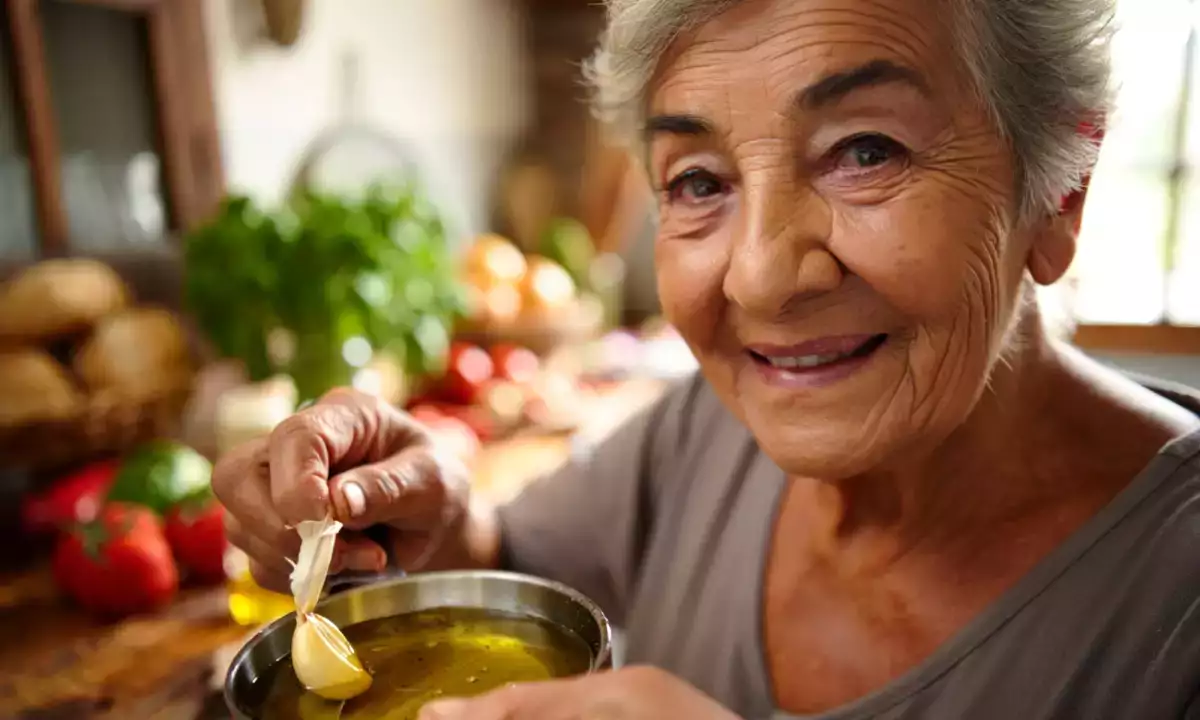
There is a scene that always comes to mind when I think of garlic in the kitchen. My grandmother in front of the stove, hot oil, a clove slightly crushed and then that very quick gesture: she takes it out. Always. Without thinking about it.
Here, this is one of those deeply Italian things that we take for granted but almost don't understand abroad. There, garlic remains on the plate, often minced, sometimes in exaggerated quantities. Here, however, it does not. Here garlic is used, but it is respected.
If you are looking for how to use garlic in cooking without ruining dishes, this is the turning point.
Garlic in Italian cuisine: fragrance yes, protagonist no
When we talk about garlic and Italian cuisine, there is a principle that few people really explain well: garlic should not cover, it should accompany.
Chefs like Massimo Bottura often reiterate this: balance is the key. An overly invasive ingredient breaks the harmony of the dish.
Scientifically speaking, studies in the Journal of Nutrition explain that garlic's sulfur compounds become very intense especially when it is cut or cooked too long. Translated to cooking? If you leave it too long, it dominates everything.
Because grandma always takes it off
It is not just tradition, it is pure technique passed down through the years.
Grandmothers know it without the need for manuals:
- garlic is crushed, not minced
- you let it flavor the oil
- you remove it before it turns dark
This simple act yields three immediate benefits: the dish remains digestible, the flavor is more elegant, and the other ingredients get to really express themselves.
And every time I try not to remove it, I notice it immediately. The result changes completely.
Why do they use it differently abroad?
While traveling, I often had dishes where garlic was everywhere. Not as a flavor note, but as the absolute protagonist.
It is a cultural difference. In many international cuisines garlic is treated as the main ingredient, while in traditional Italian cuisine it is a supporting element.
Slow Food Italy emphasizes precisely this aspect: our cuisine is about balance, not excess. And garlic is one of the most obvious examples.
When garlic should not be removed
There are exceptions, of course—and that’s where cooking becomes truly personal.
Take bruschetta, for example: garlic is rubbed directly onto the bread and becomes part of the flavor. In pesto, it’s one of the key ingredients.
And then there’s pasta aglio, olio e peperoncino.
This is where a very Italian debate begins. The traditional version calls for removing the garlic, but many variations (like mine) leave it in. I sometimes keep it, especially when it’s nicely golden and not burnt. It becomes bolder, a bit more rustic (in the best way), more convivial. It’s proof that Italian cooking isn’t rigid. There are rules, yes, but there’s always room for personal taste.
And if you’re curious, I’ll leave you the recipe so you can try it yourself and tell me what you think!
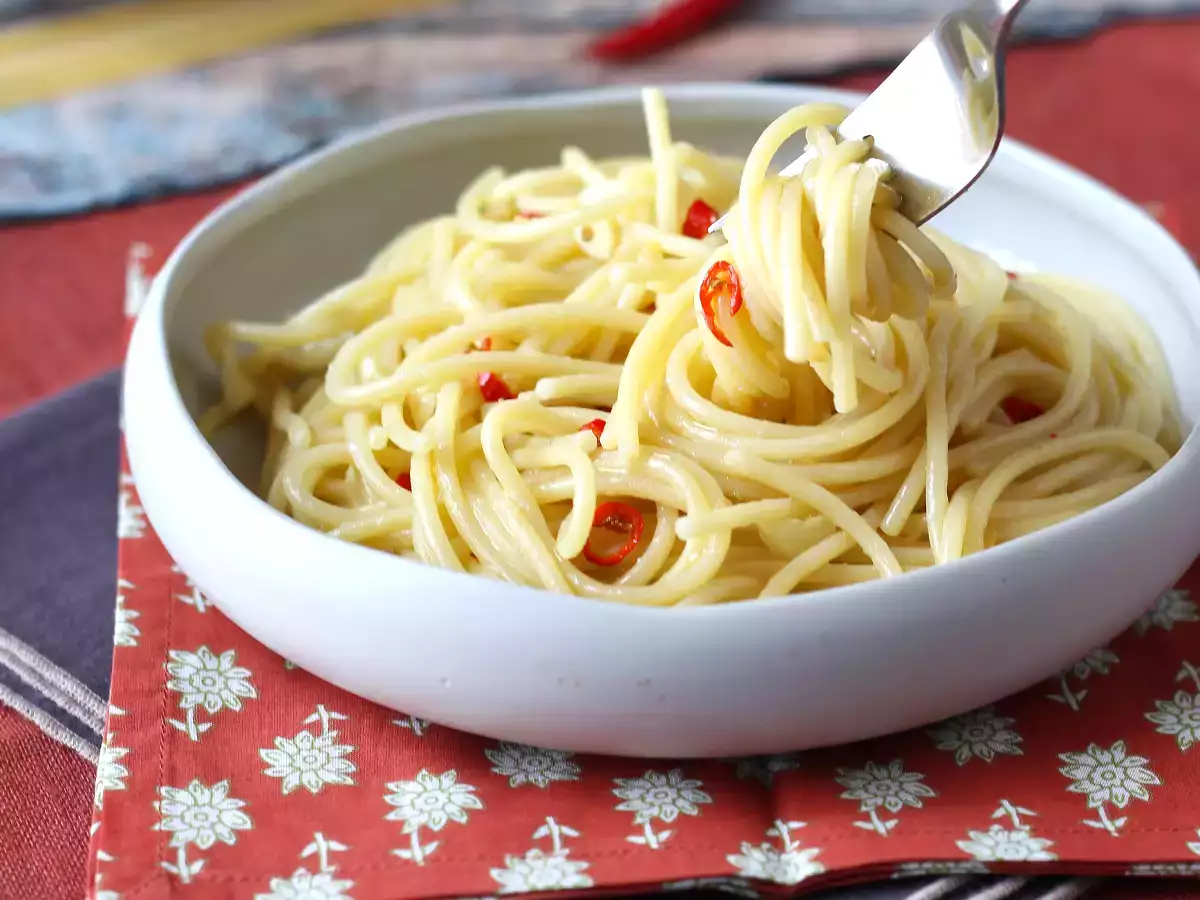
There is a ritual shared by many Italian homes : after a long evening with friends, perhaps spent chatting or returning from a party, someone exclaims, "Shall we make some spaghetti?" And that’s when people make spaghetti aglio, olio e...
The small gesture that really makes a difference
In the end, this small gesture perfectly tells the story of Italian cuisine. It is not about excess, but balance. Every time I cook and remove the garlic from the pan (except in very rare cases), I think of my grandmother. A quick gesture, almost invisible, but essential.
Because yes, garlic is needed. But the real secret is knowing how to use it without making it the main character.
 Daniele Mainieri
Comments