High nutritional profile pastas: which ones to choose and why to try them
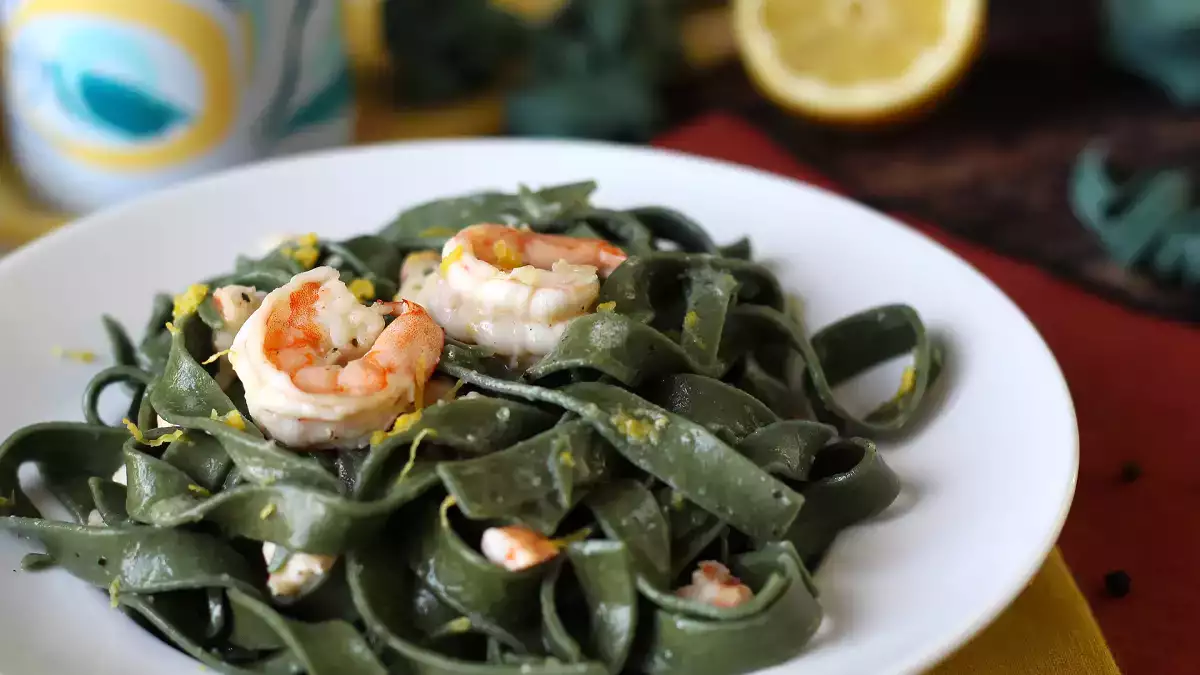
Pasta remains one of the most beloved dishes, but today it is no longer just a matter of taste. More and more people are looking for something extra on the plate: constant energy, increased satiety, ingredients that really make a difference.
That's how high-nutritional profile pastas, smart alternatives to traditional pasta designed for people who want to eat better without sacrificing pleasure, are gaining ground. According to many nutrition professionals, the secret is not to eliminate pasta, but to choose it more consciously.
Why they like these pastas so much
The success of these new pastas is no accident. They work because they address three very strong needs:
- feeling lighter after meals
- to have more stable energy throughout the day
- to make choices perceived as "better" for the body
From a psychological perspective, when a food communicates quality and nutritional value, the brain immediately associates it with well-being. It is a powerful lever, which also leads to more mindful eating.
Spirulina pasta: the most recognizable
Among the most iconic is undoubtedly spirulina pasta.
Spirulina is an algae naturally rich in protein, iron and antioxidants, often cited by nutritionists for its concentrated nutritional profile.
The deep green color creates a strong visual impact, but the flavor remains mild. This makes it easy to incorporate into your routine, especially with simple seasonings. Many dietitians recommend not "covering" it too much, precisely to enhance its characteristics.
Here is a simple and tasty recipe if you already have it at home:
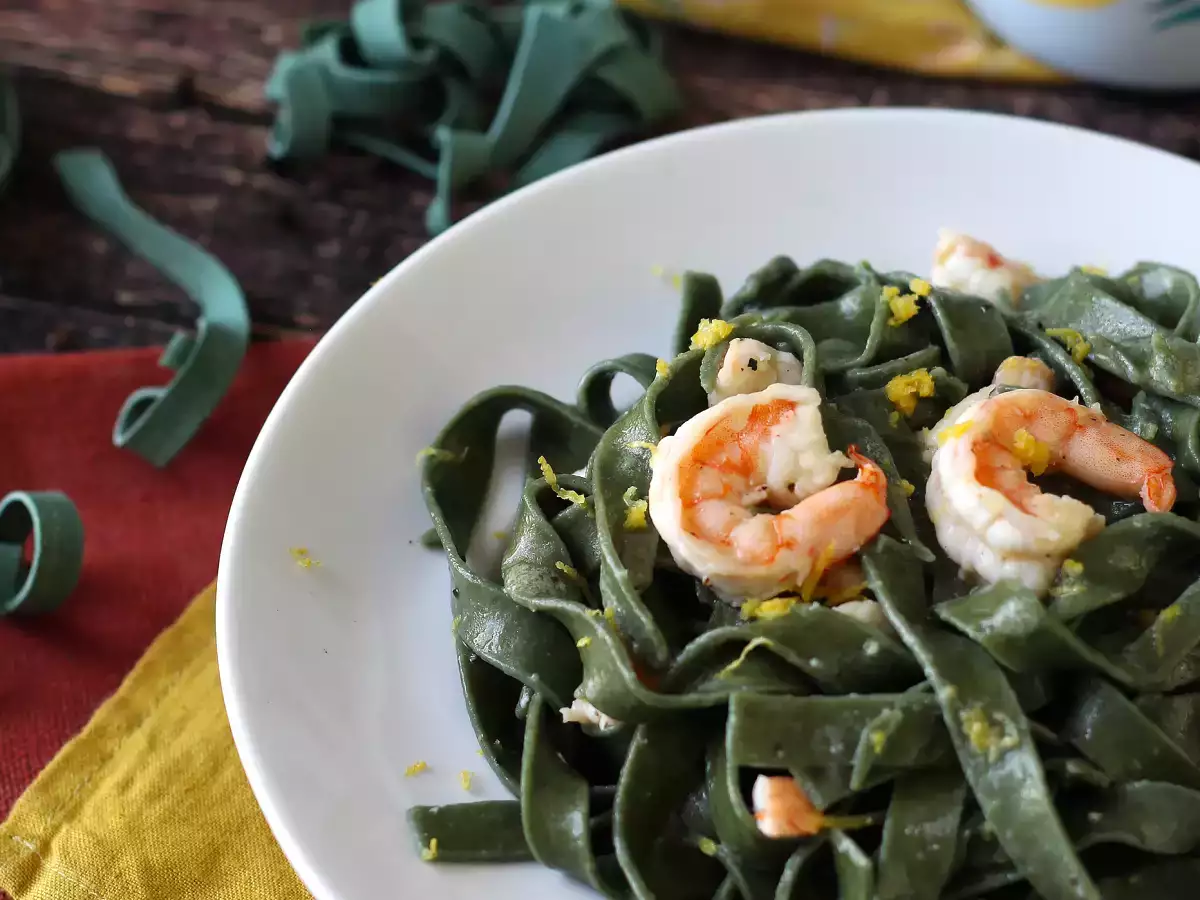
Spirulina pasta is an innovative and nutritious alternative to traditional egg pasta that is gaining more and more space in the kitchens of those seeking healthy and tasty dishes . Spirulina, a blue-green algae with extraordinary properties , is...
Pastas with alternative flours and functional ingredients
In recent years, pastas made with less conventional but nutritionally very interesting ingredients are also emerging, such as:
- buckwheat
- quinoa
- hemp
- oats
- flours enriched with turmeric or beet.
These variations allow you to diversify your diet and introduce different nutrients, avoiding the monotony of refined wheat alone.
Legume pastas: satiety and protein
Another increasingly popular category is legume-based pastas.
Among the most popular are:
- lentil pasta
- chickpea pasta
- pea pasta
These pastas are naturally higher in protein and fiber, help control hunger, and promote slower, more stable digestion. According to several nutrition professionals, they are ideal for those who play sports or those who want to reduce glycemic spikes without giving up pasta.
We give you the recipe if you want to try making it at home instead of buying it at the supermarket:
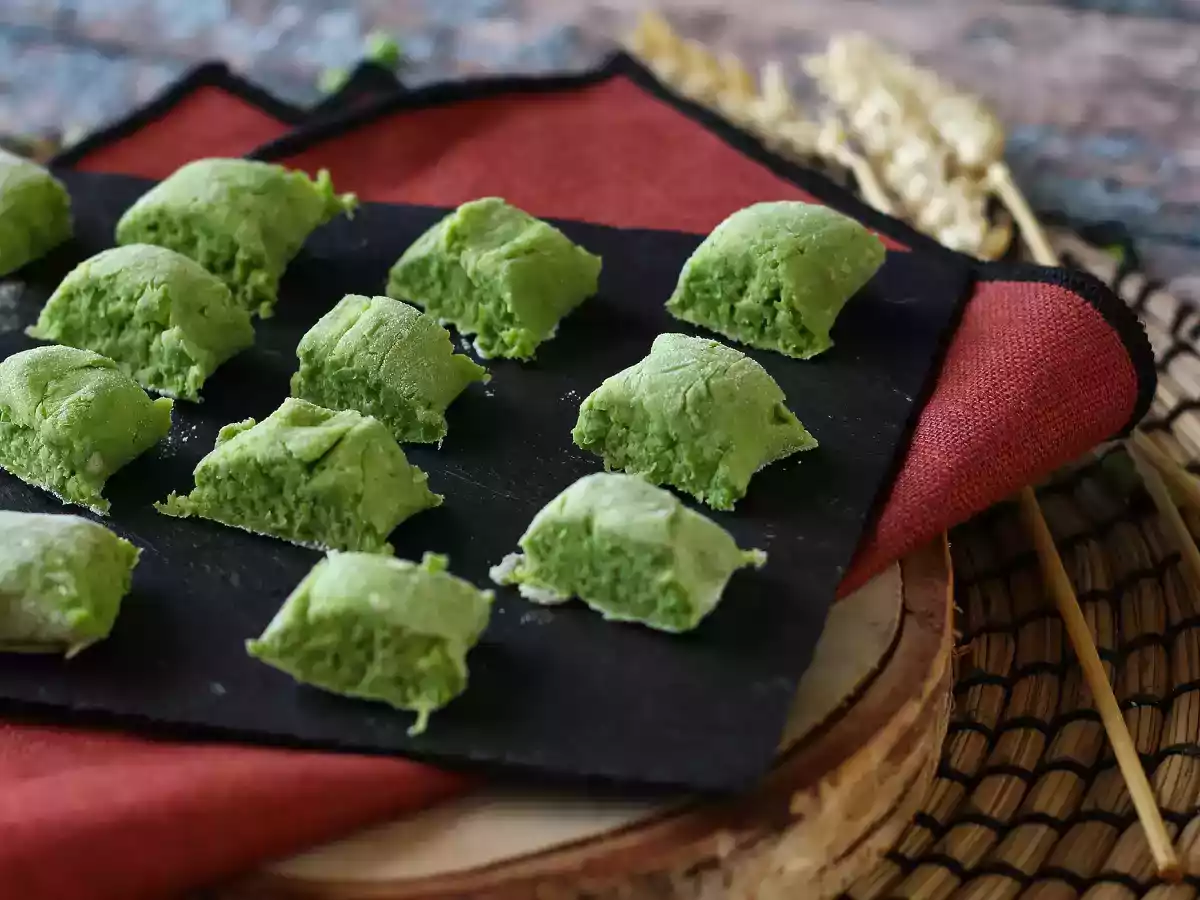
Made with a few simple ingredients and without the use of eggs, these gnocchi are a lighter alternative to traditional potato gnocchi . We have prepared them with frozen peas so it will be possible to bring them to the table all year round. Not only...
The hidden advantage that few people consider
There is one aspect that is often underestimated: when you choose a pasta that is perceived to be more nutritious, you automatically tend to eat it better.
- Many nutrition education experts explain that this leads to:
- more controlled portions
- simpler toppings
- greater attention during the meal
- more controlled portions
Basically, quality drives behavior, not just the plate.
How to really choose a pasta with a high nutritional profile
In front of the shelf it is easy to be won over by bright colors, striking names and promises of wellness. But not all "alternative" pastas are really better nutritionally. To make an informed choice and avoid the simple marketing effect, it is helpful to:
- always read the ingredient list
- check the percentage of the main ingredient
- compare protein and fiber
- prefer products with few ingredients
It is not necessary to change everything, but to alternate these pastas intelligently with the traditional version.
Not a fad, but an evolution in the plate
Pastas with a high nutritional profile are not a passing fad, but a concrete answer to those who want to continue eating pasta while making more conscious choices.
Whether with spirulina, legumes or alternative flours, trying them means adding value to your plate without sacrificing pleasure.
 Daniele Mainieri
Comments