How to pack a wrap so it’s still crisp by lunchtime: practical, no-fuss tips for better lunches
Sunday 6 September 2026 10:00 - Adèle Peyches
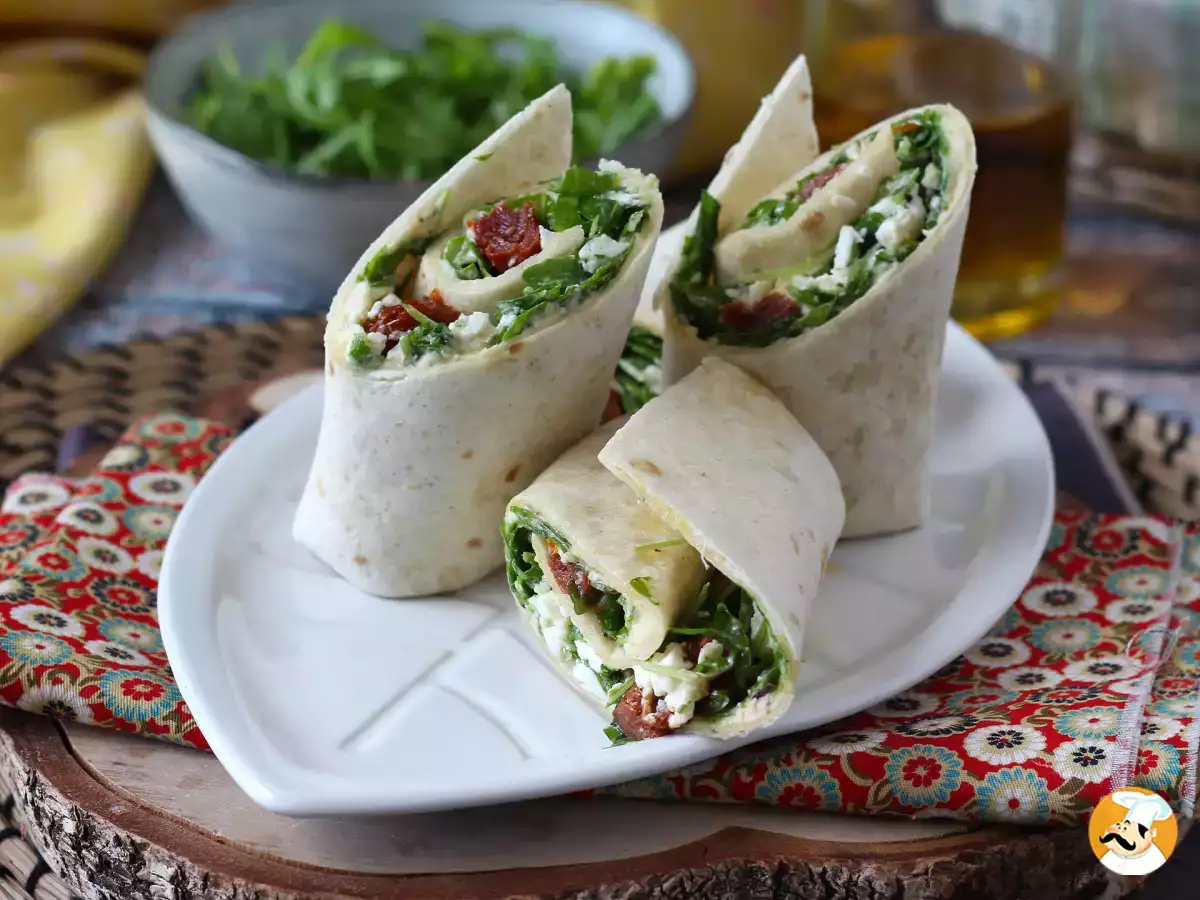
Except there’s that little moment of disappointment we know all too well. You’ve prepared a well-filled wrap in the morning, you open it at noon with enthusiasm, and then… the tortilla is all soggy, sometimes damp, almost sticky. The filling slides out, the sauce has soaked everything through, and the meal that was supposed to be fresh and delicious suddenly looks like a napkin forgotten at the bottom of your bag. We’re barely exaggerating!
So, how do you keep a wrap fresh but not soggy?
The mistake that makes the wrap go limp before noon
The wrap’s biggest enemy is moisture. A tortilla absorbs liquids very quickly, especially when it stays rolled up for several hours. If you spread on too much sauce and then add tomatoes, cucumber, or salad that’s still damp, the tortilla will gradually soak up all that moisture. The result: by lunchtime, it loses its shape.
The catch is that the wrap may look perfect right after you make it. It’s rolled up nicely, tightly packed, and looks appetizing… but as you carry it around, everything keeps changing. The raw vegetables release water, the sauce spreads, the salt draws moisture out of the vegetables, and the tortilla gets soggy.
So the key is to never think of a wrap as just a “rolled-up salad.” To make sure it holds up until lunchtime, you need to consider the order of the ingredients and create a barrier between the tortilla and the moist components.
The catch is that the wrap may look perfect right after you make it. It’s rolled up nicely, tightly packed, and looks appetizing… but as you carry it around, everything keeps changing. The raw vegetables release water, the sauce spreads, the salt draws moisture out of the vegetables, and the tortilla gets soggy.
So the key is to never think of a wrap as just a “rolled-up salad.” To make sure it holds up until lunchtime, you need to consider the order of the ingredients and create a barrier between the tortilla and the moist components.
The barrier that changes everything
Before adding the juicy ingredients, create a protective layer. It’s the simplest way to keep your wrap from getting soggy. You can use a large, thoroughly dried lettuce leaf, a few slices of cheese, ham, chicken, cold omelet, or even a thin layer of fairly thick hummus.
The idea is to place this barrier on the tortilla, then add the moister ingredients on top. This way, the sauce or vegetable juices don’t come into direct contact with the tortilla. It’s a small detail, but it really makes a difference when the wrap has to sit for several hours.
Be careful, though: if you’re using lettuce, it must be thoroughly drained. A leaf that’s still wet doesn’t protect anything at all—it actually adds water. The same goes for fresh herbs: rinse them, yes, but dry them well before adding them to the wrap.
The idea is to place this barrier on the tortilla, then add the moister ingredients on top. This way, the sauce or vegetable juices don’t come into direct contact with the tortilla. It’s a small detail, but it really makes a difference when the wrap has to sit for several hours.
Be careful, though: if you’re using lettuce, it must be thoroughly drained. A leaf that’s still wet doesn’t protect anything at all—it actually adds water. The same goes for fresh herbs: rinse them, yes, but dry them well before adding them to the wrap.
Ingredients to prepare differently
Some ingredients are delicious in a wrap but can ruin its texture. Tomatoes, for example, release a lot of juice. If you want to add them, opt for cherry tomatoes cut in half and well-drained, or remove some of the seeds from a regular tomato. Cucumbers should also be sliced thinly and patted dry if necessary.
The same goes for grated carrots, beets, raw zucchini, or pickled vegetables: drain them before using. If an ingredient is shiny because it’s covered in liquid, it might end up in the tortilla. And that’s not really the goal!
When it comes to sauce, it’s better to go for a thick, spreadable texture rather than a very runny one. Fresh cheese, hummus, a thick yogurt sauce, or avocado spread hold up better than a runny vinaigrette. And above all, there’s no need to use tons of it. For a wrap to go, season it, but don’t drown it in sauce.
The same goes for grated carrots, beets, raw zucchini, or pickled vegetables: drain them before using. If an ingredient is shiny because it’s covered in liquid, it might end up in the tortilla. And that’s not really the goal!
When it comes to sauce, it’s better to go for a thick, spreadable texture rather than a very runny one. Fresh cheese, hummus, a thick yogurt sauce, or avocado spread hold up better than a runny vinaigrette. And above all, there’s no need to use tons of it. For a wrap to go, season it, but don’t drown it in sauce.
The right order for assembling your wrap
For a wrap that stays tasty at lunchtime, start by laying the tortilla flat. First, add your moisture barrier: dry salad, cheese, a slice of ham, chicken, or an egg patty. Next, place the main filling, followed by the well-drained raw vegetables. Finish with a small amount of sauce, preferably in the center rather than spread over the entire surface.
Then roll the wrap tightly, but without squishing it. Fold in the sides, then roll firmly to prevent leaks. If there’s too much filling, resist the temptation to force it in: an overfilled wrap tears more easily and quickly becomes difficult to eat.
If you’re making several wraps, wrap them separately. It’s best to use parchment paper or aluminum foil, wrapping them tightly enough to hold their shape. Avoid cutting them too soon if the filling is moist: once cut, the wrap exposes the inside more and may soften faster.
Then roll the wrap tightly, but without squishing it. Fold in the sides, then roll firmly to prevent leaks. If there’s too much filling, resist the temptation to force it in: an overfilled wrap tears more easily and quickly becomes difficult to eat.
If you’re making several wraps, wrap them separately. It’s best to use parchment paper or aluminum foil, wrapping them tightly enough to hold their shape. Avoid cutting them too soon if the filling is moist: once cut, the wrap exposes the inside more and may soften faster.
Should I prepare the wrap the day before?
You can, but it’s not ideal if the wrap contains juicy raw vegetables or a sauce. For a much better result, prepare the ingredients the night before, then assemble the wrap in the morning. It doesn’t take long, and the texture will be much more pleasant by lunchtime.
If you absolutely must prepare it the day before, choose less moist fillings: chicken, cheese, well-drained salad, grated carrots that have been drained, thick hummus, cold omelet… Avoid very juicy tomatoes, cucumbers that haven’t been dried properly, and runny sauces.
Another tip: keep the sauce in a small separate container and add it just before eating. This isn’t always possible, but it’s clearly the best option if you like your wraps nice and fresh and well-seasoned.
If you absolutely must prepare it the day before, choose less moist fillings: chicken, cheese, well-drained salad, grated carrots that have been drained, thick hummus, cold omelet… Avoid very juicy tomatoes, cucumbers that haven’t been dried properly, and runny sauces.
Another tip: keep the sauce in a small separate container and add it just before eating. This isn’t always possible, but it’s clearly the best option if you like your wraps nice and fresh and well-seasoned.
Transportation matters, too
Even a well-made wrap can get ruined if it’s not packed properly. Once wrapped, place it in a rigid box to prevent it from getting squished at the bottom of your bag. If possible, keep it cool, especially if it contains chicken, cheese, ham, eggs, or a yogurt-based sauce.
Also, avoid leaving it in direct sunlight or in a hot car. Not only will it go soft faster, but some ingredients may become unsafe to eat. For a meal on the go, a small insulated bag with an ice pack can really save your lunch break.
And when it’s time to eat, don’t unwrap everything at once if the wrap is heavily filled. Keep some of the paper wrapped around it—this helps maintain its shape and keeps the filling from spilling everywhere. Maximum elegance? Maybe not. Maximum efficiency? Yes!
Also, avoid leaving it in direct sunlight or in a hot car. Not only will it go soft faster, but some ingredients may become unsafe to eat. For a meal on the go, a small insulated bag with an ice pack can really save your lunch break.
And when it’s time to eat, don’t unwrap everything at once if the wrap is heavily filled. Keep some of the paper wrapped around it—this helps maintain its shape and keeps the filling from spilling everywhere. Maximum elegance? Maybe not. Maximum efficiency? Yes!
To avoid a saggy wrap before noon, keep this rule in mind
Anything that’s wet needs to be kept under control. Squeeze the water out of the lettuce, drain the vegetables, choose a thick sauce, and most importantly, create a barrier between the tortilla and the juicy filling.
The right order: tortilla, dry barrier, filling, drained raw vegetables, a small dollop of sauce, then roll it up tightly. With these simple steps, your wrap will be much more enjoyable to eat for lunch.
Because a successful wrap isn’t just about the filling. It’s also about timing, texture… and a little anti-soggy strategy!
The right order: tortilla, dry barrier, filling, drained raw vegetables, a small dollop of sauce, then roll it up tightly. With these simple steps, your wrap will be much more enjoyable to eat for lunch.
Because a successful wrap isn’t just about the filling. It’s also about timing, texture… and a little anti-soggy strategy!
 Adèle Peyches
Editorial manager who just can't wait for winter to enjoy fondue! Passionate about gastronomy and always on the lookout for new culinary gems, I first studied law before returning to my first love: the taste of good products and the joy of sharing around the table :)
Comments