How to tell a ripe melon: 5 clear clues to find the best supermarket melon before you buy today
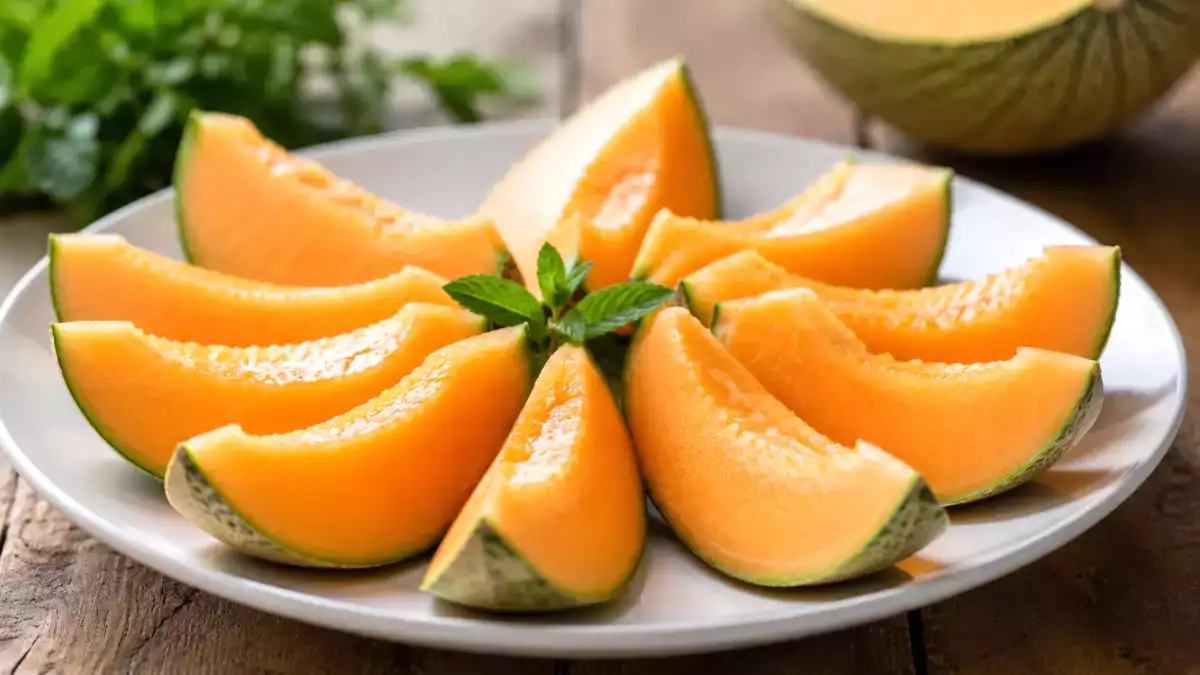
Summer is here, market stalls are overflowing with sun-ripened fruit, and one craving always comes back: biting into a fragrant, sweet, juicy melon.
The problem is that buying a melon can sometimes feel like a real lottery. You come home convinced you’ve found the perfect one, then you cut it open… and disappointment hits. Bland flesh, no aroma, a floury texture, or, on the contrary, a fruit that is not ripe enough.
And yet, there are a few very simple tricks that can help you make the right choice when buying a melon at the supermarket or at the farmers market.
Because contrary to what you might think, a good melon gives several clues before it is even cut ;)
First reflex: smell the melon
This is probably the best-known test, and for good reason: it works very well.
Bring your nose close to the end opposite the stem. A ripe melon usually gives off a sweet, fruity, pleasant fragrance.
If you smell absolutely nothing, it is often still a little young and may lack flavor.
On the other hand, if the smell is too strong, almost fermented or alcoholic, the fruit may already be overripe.
The goal is to look for a noticeable but pleasant aroma, the kind that immediately makes you want to taste it.
Look closely at the stem end
The area where the melon was attached to the plant can also tell you a lot.
On many varieties, especially Charentais melons (a type of French Cantaloupe melon), a fruit picked at maturity often shows a slight circular crack around the stem.
This little cracking is generally considered a good sign. It indicates that the melon naturally detached at an advanced stage of ripeness.
If the stem still looks very green and firmly attached, the fruit may have been picked a little too early.
Of course, this sign alone is not enough, but it is another useful clue.
Weight is often revealing
Two melons of similar size can offer very different results.
When you pick one up, don’t hesitate to compare several fruits.
A good melon should feel heavy for its size.
Why? Simply because a fruit that is rich in water and well developed will naturally be denser. That water content is often a sign of flesh that is juicier and more pleasant to eat.
A melon that feels surprisingly light may sometimes lack ripeness or have less generous flesh.
The color of the rind matters too
Even though color varies depending on the variety, some signs can help.
For Charentais melons, the grooves should be well marked and the rind should have a harmonious color.
A rind that is too green may suggest that the fruit is still immature. On the other hand, yellowish or slightly golden areas often indicate more advanced ripening.
The overall appearance should remain even, with no suspicious spots or damaged areas.
A healthy-looking melon is generally a melon that will keep better until you are ready to eat it.
Press gently on the end
Here is a trick used by many melon lovers. Apply light pressure with your thumb to the end opposite the stem. If the area is completely hard, the fruit may still need a little more time to ripen.
But if your finger sinks in easily, the melon may be too ripe.
Ideally, you want a very slight softness, almost barely noticeable. That is often a sign that the flesh will be tender without being overripe.
Can you ripen a melon at home?
Good news: yes, to a certain extent. If your melon still seems a little firm, you can leave it for a few days at room temperature. The ambient warmth will continue the ripening process and help develop the aromas. Once ripe, you can place it in the refrigerator so it is nice and fresh when served.
Be careful, though: unlike some fruits such as bananas or pears, melon does not gain a huge amount of sugar after harvest. So it is best to choose a fruit that is already well on its way to ripeness.
The fridge is not always your best friend
Many people put their melon straight into the refrigerator. However, when it is not fully ripe yet, the cold can slow down the development of its aromas. The best option is to keep it at room temperature for a few days, then chill it only a few hours before eating.
That way, you get the most from its fragrance and natural sweetness.
And after buying it? Time to enjoy!
Melon remains one of summer’s star fruits. We love it simply cut into wedges for dessert, but it also works beautifully in savory recipes. Paired with cured ham, feta, mozzarella, or added to fresh salads, it instantly brings a summery, refreshing touch.
So next time you walk past a pile of melons, take a few seconds to look, smell, and weigh the fruit before making your choice. Because a perfectly ripe melon can be the difference between an ordinary summer fruit… and a true burst of flavor from the very first bite :)
 Adèle Peyches
Comments