Vacuum-sealing summer vegetables: simple storage steps to preserve their texture and true summer flavor
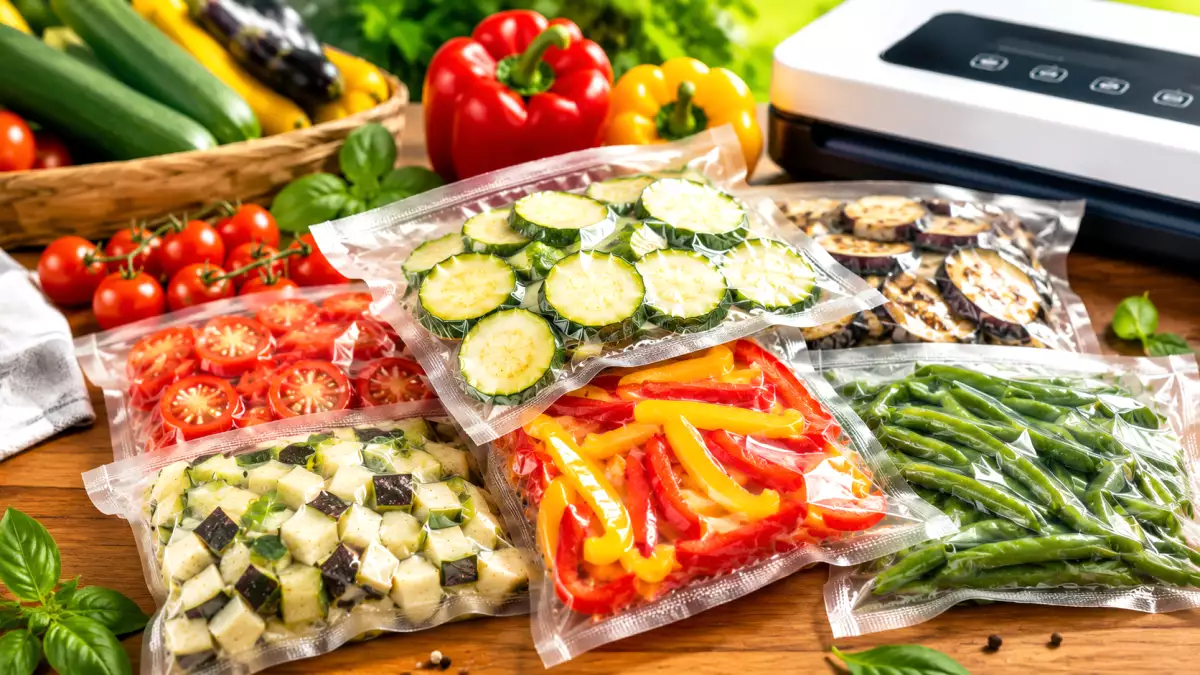
Summer has one little problem: it arrives with crates full of zucchini, eggplant, bell peppers, tomatoes, and green beans… and then it’s over all too soon. Vacuum sealing can be a great way to preserve summer vegetables longer, reduce waste, and always have something on hand for side dishes, pasta dishes, and quick meals.
But be careful: vacuum-sealing vegetables doesn’t mean putting them in the pantry and forgetting about them for months. Vacuum-sealing helps protect food from air, but it doesn’t replace sterilization. To use it properly, you’ll need a refrigerator, a freezer, and a few simple rules.
Why vacuum-seal summer vegetables?
Vacuum-sealing is convenient because it lets you portion out vegetables, keep them more organized, and store them better than in a regular open bag in the refrigerator.
It’s especially useful for:
- reducing contact with air;
- minimizing waste and forgotten leftovers;
- protecting vegetables from frost in the freezer;
- dividing everything into ready-to-use portions;
- saving space in the refrigerator and freezer.
Basically, less chaos and more summer ready to enjoy.
Which summer vegetables can be vacuum-sealed?
Some of the summer vegetables best suited for vacuum-sealing include zucchini, eggplant, bell peppers, green beans, carrots, corn, and cherry tomatoes. Herbs such as basil, parsley, and mint can also be vacuum-sealed, especially if they are later frozen.
Vegetables with a high water content, such as ripe tomatoes and cucumbers, are more delicate: they can lose their texture, so it’s best to use them in sauces, pureed soups, dressings, or cooked dishes.
Is it better to vacuum-seal raw or cooked vegetables?
It depends on the vegetable. Some can be stored raw, but many taste better after being cooked briefly.
Zucchini can be sliced into rounds or cut into sticks and vacuum-sealed raw if they’re to be eaten soon or frozen. Green beans, on the other hand, are best blanched first. Eggplant and bell peppers are best when grilled, roasted, or sautéed.
The most important rule is this: vegetables must be cold and completely dry before being sealed. Heat and moisture create condensation inside the bag and reduce shelf life.
How do you prepare summer vegetables for vacuum-sealing?
Before sealing the vegetables, it’s a good idea to follow a few essential steps:
- Wash the vegetables thoroughly;
- remove any damaged parts, seeds, and stems;
- dry them thoroughly;
- cut them into even pieces;
- blanch the more fibrous ones, such as green beans and carrots;
- let them cool completely;
- place them in bags without crushing them too much;
- always write the name and date on the bag.
The date is crucial: after a few weeks, even the neatest bag can become a little freezer mystery.
How long do vacuum-sealed vegetables last in the refrigerator?
In the refrigerator, vacuum-sealing slightly extends the shelf life of vegetables, but it doesn't make them last forever. Fresh or cooked vegetables that have been vacuum-sealed must always be kept refrigerated and should be consumed quickly.
In general:
- raw, washed, and dried vegetables: a few days;
- cooked or grilled vegetables: about 2–4 days;
- blanched vegetables: about 3–5 days.
Vacuum-sealed vegetables should not be left at room temperature, especially if they are cooked, moist, or dressed with oil.
Can you freeze vacuum-sealed summer vegetables?
Yes, and it’s often the most practical method. Vacuum-sealing summer vegetables before freezing helps preserve them longer, protect them from frost, and keep them pre-portioned.
Zucchini can be frozen in rounds or sticks. Green beans should be blanched first. Bell peppers and eggplant are great for freezing after they’ve been grilled or roasted. Cherry tomatoes can be frozen whole, but they’re best suited for cooked recipes, such as sauces and soups.
When needed, many vegetables can go directly into a pan or the oven without thawing them first.
Can vacuum-sealed vegetables be stored outside the refrigerator?
No, fresh summer vegetables that have been vacuum-sealed should not be stored outside the refrigerator. Vacuum-sealing removes the air, but it does not eliminate all risks. In fact, in some cases, the absence of oxygen can lead to problems if the food has not been properly processed.
To store vegetables at room temperature, you need proper preserves prepared using specific procedures: acidification, sterilization, and suitable jars. Vacuum-sealing alone is not enough.
The risks of Botulinum: what you need to know
Vegetables are low-acid foods, and if stored improperly, they can become hazardous. Botulinum toxin is produced by a bacterium that can grow in certain foods stored without oxygen and in an improper manner. It is rare but serious, and it does not always alter the food’s smell, color, or taste.
That’s why it’s best to remember three rules:
- vacuum-sealing is not a substitute for sterilization;
- fresh vacuum-sealed vegetables should be stored in the refrigerator or freezer;
- if a package looks suspicious, it’s best not to taste it.
You can be creative in the kitchen, but when it comes to safety, it’s best to be tediously cautious.
How to use vacuum-sealed summer vegetables
The best part is having vegetables ready to go when you're short on time. Vacuum-sealed summer vegetables are perfect for:
- cold pasta and rice;
- couscous;
- quick side dishes;
- omelets;
- savory pies;
- sauces;
- bruschetta;
- sandwiches and flatbreads.
A bag of roasted bell peppers can save a dinner. Two servings of grilled eggplant can turn into a quick parmigiana. Pre-cut zucchini? Sauté them in a pan with garlic, oil, and basil, and your side dish is ready.
Mistakes to avoid when storing vegetables in vacuum-sealed bags
Vacuum-sealing vegetables is simple, but there are some very common mistakes:
- sealing vegetables while they’re still hot;
- leaving too much water in the bag;
- storing fresh vacuum-sealed vegetables outside the fridge;
- forgetting to date the bag;
- using bags that aren’t food-safe;
- vacuum-sealing vegetables that are already spoiled;
- thinking that vacuum-sealing makes everything last forever.
The initial quality matters a great deal: vacuum-sealing preserves fresh vegetables better; it won’t save vegetables that are already past their prime.
 Leandra Masha
Comments