Is it worth buying seafood for Christmas in November? What to choose and how to freeze it
Sunday 8 November 2026 10:00 - Patricia González
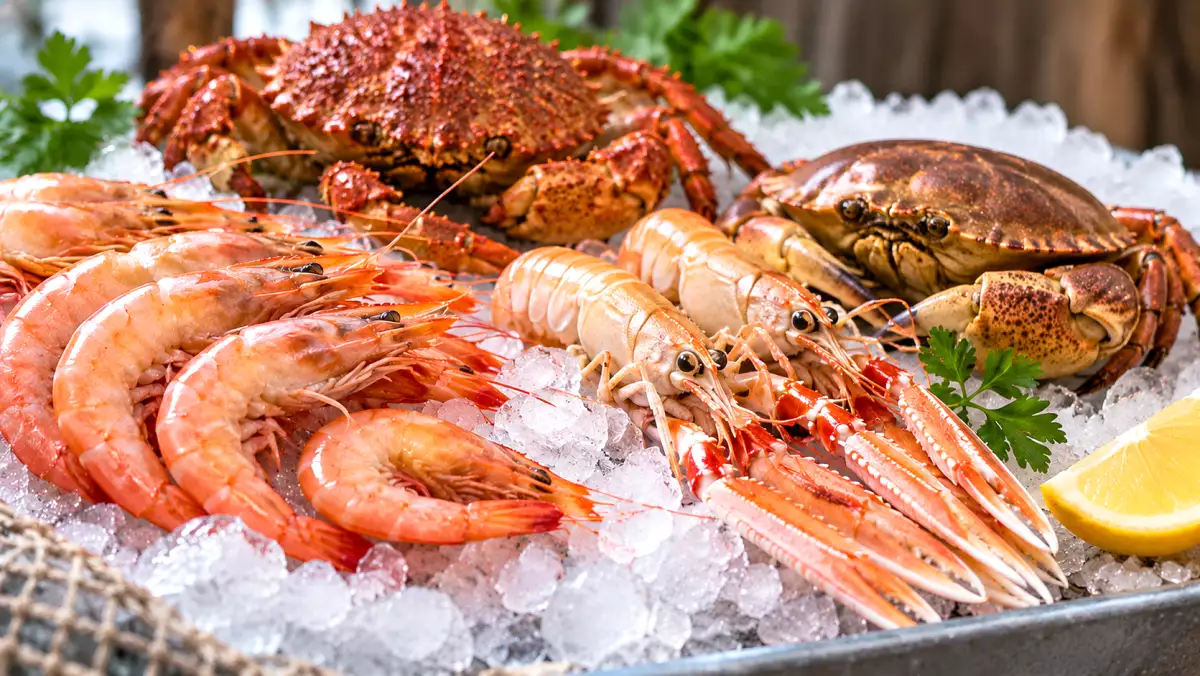
Doing some of your shopping early is usually a good idea, especially with products that freeze well. It lets you take your time choosing and can help you avoid some of the usual price hikes as Christmas approaches. Of course, the savings depend on each product, and not all seafood keeps equally well at home.
There’s one thing that should be made clear from the start: if you buy fresh seafood now to eat at Christmas, you’ll have to freeze it properly. It’s not enough to just leave it in the fridge for weeks. Let’s take a look at which products to choose, which ones are better to buy later, and how to plan ahead so you can enjoy them when the time comes.
Is seafood cheaper in November?
As the holidays approach, interest grows in products that are a staple on Spanish tables, such as shrimp, king prawns, Norway lobsters, spider crabs, and barnacles. As Christmas approaches, many types of fish and shellfish commonly consumed during this time tend to become more expensive due to increased demand. These price increases can be significant—as was the case with barnacles and clams in 2025—though they vary by species. That’s why buying products that freeze well in November can be a good way to stay ahead of these price hikes.
Shopping in November lets you browse and compare prices without the rush of the last few days. If you see a good deal on a product you’re familiar with and have room to store it, it may be worth taking advantage of it.
How can you tell if the price is good if you don’t yet know what it will be in December? There’s no way to be sure. You can compare today’s prices for the same type of seafood at various fishmongers or supermarkets, recall roughly what you paid in previous years, and set a budget that feels reasonable to you. There’s no need to guess how much it will cost on Christmas Eve.
Shrimp and prawns: the easiest items to buy in advance
If you want to take care of part of your Christmas menu, shrimp and prawns are usually the most practical options. They’re sold fresh, cooked, and frozen, in various sizes and price ranges. You can buy them already frozen and store them in their original packaging, following the manufacturer’s instructions, or freeze them at home if they’re fresh and suitable for freezing.
You might also consider langoustines, although they tend to be more delicate and should be well-protected to prevent them from drying out in the freezer. In all cases, it’s important to buy a product in good condition and keep it cold on the way home.
If you choose pre-frozen seafood, you don’t need to thaw it and refreeze it. Store it directly in the freezer until you’re ready to prepare it.
What Seafood Should You Buy as Christmas Approaches?
If you want to serve live clams, mussels, or cockles, it’s best to buy them just a few days before preparing them: they can’t be kept in the refrigerator for weeks. The same goes for live oysters that you want to serve raw.
Can oysters be frozen? Yes, even with their shells on, as long as they’re alive and handled properly. However, when thawed, the meat may become softer and the flavor may change. Therefore, if you buy oysters to freeze, it’s best to set them aside for cooked dishes rather than serving them raw. You can also choose oysters that are already sold frozen and follow the instructions on the package.
With spider crabs, horse crabs, and velvet crabs, it’s a good idea to think about how you’ll serve them. You can find good-quality frozen products, but when you freeze a fresh specimen at home, its meat may lose juices and become less firm.
If you prefer to buy seafood live or freshly cooked, save that purchase for the days leading up to Christmas Eve or the meal at which you’ll be serving it.
What if you want to buy fish?
It’s a similar story with fish for Christmas. You can buy hake or monkfish in advance for a baked dish or a dish with sauce, as long as the fish is fresh, suitable for freezing, and you can store it properly.
Ask the fishmonger to clean it and cut it into the portions you need. That way, you won’t have to deal with a large whole fish when December rolls around. Also ask if the fish has been thawed previously: if so, follow the package instructions and don’t refreeze it raw.
If you’re on a tight budget, consider frozen fish from the source. It can be a convenient, high-quality option, and it lets you know exactly how much you’ll spend right from the moment of purchase.
How to Store Seafood in the Freezer Until Christmas
If you've bought fresh seafood to eat in a few weeks, freeze it as soon as possible. The freezer should be kept at −18 °C or lower; a regular refrigerator isn't suitable for storing it until Christmas.
Divide the seafood into portions for each day’s use, place them in freezer-safe bags or containers, and make sure they’re tightly sealed with as little air as possible. Label each package with its contents and the date. When Christmas Eve arrives, it will be much easier to take out only what you need.
Avoid putting a large amount of fresh seafood into the freezer all at once. If the freezer has to cool too much food at once, it will take longer to freeze, and the texture may suffer. Check the freezing capacity specified by the manufacturer, and while the packages are freezing, leave some space between them to allow cold air to circulate. Once frozen, you can place them closer together.
And remember that freezing preserves food that is in good condition; it doesn’t fix food that’s already starting to spoil.
If the product comes frozen from the factory, leave it in its original packaging and check the date and storage instructions.
How to defrost it so it's ready to serve
Seafood shouldn't be left to thaw on the counter all morning. It's best to transfer it to the refrigerator well in advance, in a dish or container that catches the liquid, and keep it separate from foods that are eaten raw.
When should you take it out of the freezer? It depends on the quantity and size. A small package of shrimp takes less time than a large one. Check the package instructions and plan the thawing process in advance—don’t wait until the last minute.
Some products can be cooked directly from frozen; if this applies to you, follow the manufacturer’s instructions. Once thawed, do not refreeze raw seafood. If you cook it properly, you can freeze the prepared dish afterward, provided you cool and store it properly.
Why It's Often Worth Doing Some of Your Christmas Shopping Early
In the weeks leading up to Christmas, demand tends to drive up the prices of certain types of fish and shellfish that are very common during this time of year. So, if you already know you’ll be serving shrimp, prawns, hake, or monkfish, shopping early in November can help you stay within your budget and avoid last-minute rushes.
The most practical option is to buy products that freeze well in advance, whether they’re fresh and suitable for freezing or already frozen. Calculate the portions you’ll need, compare the deals you find now, and make sure you have enough space in your freezer. Not all types of food see the same price increases, but having part of the menu figured out usually makes organization much easier.
You can save clams, oysters, or other seafood that you want to serve live or freshly prepared for the days leading up to the holidays. This way, you can take advantage of shopping early without sacrificing the freshness of the products that need it most.
In short, November is a good time to get a head start on some of your holiday shopping, as long as you choose the right products and store them properly.
 Patricia González
Passionate about cooking and good food, my life revolves around carefully chosen words and wooden spoons. Responsible, yet forgetful. I am a journalist and writer with years of experience, and I found my ideal corner in France, where I work as a writer for Petitchef. I love bœuf bourguignon, but I miss my mother's salmorejo. Here, I combine my love for writing and delicious flavors to share recipes and kitchen stories that I hope will inspire you. I like my tortilla with onions and slightly undercooked :)
Comments