Is the fruit still unripe? Find out when an apple can help it ripen faster
Friday 30 October 2026 21:00 - Francesco Rosso
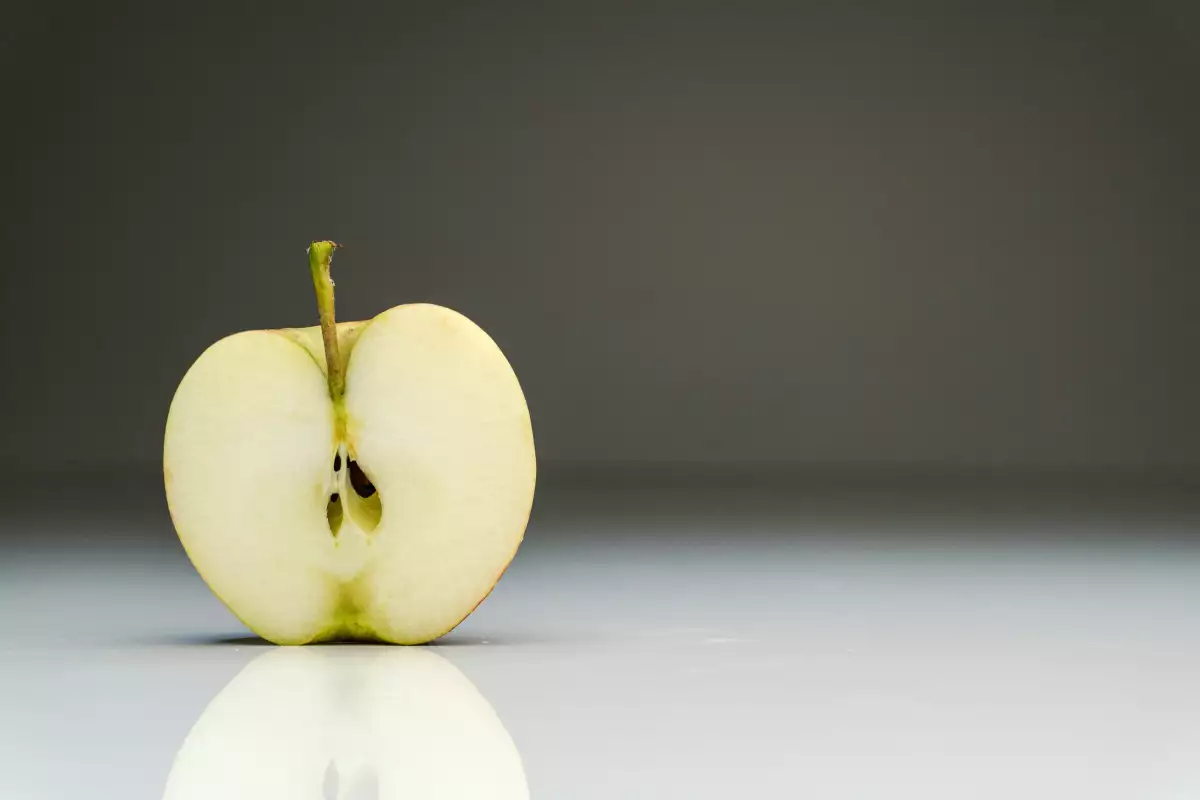
Have you bought an avocado as hard as a rock, pears that are still too firm, or kiwis that seem determined to stay unripe forever? Before you give up on your snack, check your fruit bowl: a ripe apple can help some fruits ripen faster.
It’s not magic, and it doesn’t work for every fruit. The secret is a natural gas called ethylene, you just need to know how to use it without ruining what you’ve just bought.
Why does an apple make other fruits ripen faster?
Apples produce ethylene, a gaseous plant hormone that plays a role in the ripening process. When a sensitive fruit absorbs it, it can trigger or accelerate a series of changes: the flesh becomes softer, the color and aroma change, and, in some cases, starches are converted into sugars.
That’s why keeping an apple near an avocado can be more effective than waiting impatiently in front of the fruit bowl. The apple doesn’t “ripen” the fruit for it, it simply gives it a nudge to complete a natural process. The effect depends on the variety, the initial stage of ripeness, and the room temperature.
That’s why keeping an apple near an avocado can be more effective than waiting impatiently in front of the fruit bowl. The apple doesn’t “ripen” the fruit for it, it simply gives it a nudge to complete a natural process. The effect depends on the variety, the initial stage of ripeness, and the room temperature.
Which fruits ripen first if you place them next to an apple?
This method works best with so-called climacteric fruits—that is, those that can continue to ripen after being harvested. Among the most interesting options are:
- Avocado: It gradually changes from firm to creamy, making it ideal for cooking.
- Kiwi: It loses some of its firmness and becomes more pleasant to eat.
- Pears: They develop a softer texture and a more intense aroma.
- Peaches, nectarines, and apricots: they can soften and develop more flavor.
- Bananas and mangoes: continue to ripen even after being picked.
- Tomatoes: Although used as vegetables, they are fruits and can continue to ripen.
How to ripen unripe fruit using an apple and a paper bag
Simply placing them in a fruit bowl can help, but a paper bag makes the process more effective because it traps some of the ethylene without completely blocking air circulation.
Here’s how to do it, without any special tools:
Here’s how to do it, without any special tools:
- Place one or two unripe fruits in a clean, dry paper bag.
- Add a ripe, whole apple with no bruises.
- Fold the opening slightly, without sealing it, and leave the bag at room temperature, away from direct sunlight.
- Check daily: when the texture is just right, remove the fruit from the bag.
How long does it take for an avocado, a kiwi, or a pear to ripen?
There’s no one-size-fits-all countdown. At home, a difference of one to a few days can make all the difference, but a very hard avocado may take longer than a pear that’s almost ripe. A cool kitchen also slows the process compared to a room at a moderate temperature.
The most useful tip is to check the fruit every 24 hours, rather than relying on a specific deadline. Once they’re ripe, leave them out of the bag: continuing to expose them to ethylene can make them too soft and shorten their shelf life.
The most useful tip is to check the fruit every 24 hours, rather than relying on a specific deadline. Once they’re ripe, leave them out of the bag: continuing to expose them to ethylene can make them too soft and shorten their shelf life.
How can you tell if fruit is ripe without cutting it open?
Color helps, but on its own it can be misleading: some avocados remain green even when they’re ripe, while certain kiwis don’t change appearance noticeably. It’s best to combine touch, smell, and visual inspection.
A ripe avocado yields slightly to gentle pressure in the palm of your hand; a ripe kiwi is slightly springy, not mushy. For pears, gently check the area near the stem, which tends to soften before the rest of the fruit. Peaches and apricots, on the other hand, should have a pleasant aroma and flesh that is no longer hard.
Damp spots, mold, or unpleasant odors are not signs of ripeness: they indicate that the fruit may have spoiled.
Which fruits don't ripen after being picked—not even an apple?
Here’s the distinction that prevents a lot of disappointment. Strawberries, grapes, cherries, citrus fruits, and pineapples are examples of non-climacteric fruits: after harvest, they do not continue to ripen in the same way as avocados and bananas. They may change in appearance or lose freshness, but an apple won’t suddenly make them sweeter.
A pineapple with a still-green skin, for example, isn’t necessarily unripe: the outer color alone doesn’t indicate how ripe it is on the inside. And bland-tasting strawberries won’t improve if you leave them in a bag for days. For these fruits, the best approach is to buy them when they’re already at the right stage of ripeness and store them properly.
A pineapple with a still-green skin, for example, isn’t necessarily unripe: the outer color alone doesn’t indicate how ripe it is on the inside. And bland-tasting strawberries won’t improve if you leave them in a bag for days. For these fruits, the best approach is to buy them when they’re already at the right stage of ripeness and store them properly.
Unripe fruit in the refrigerator: is that a good idea?
If you want to speed up the ripening of avocados, kiwis, pears, or peaches, the refrigerator isn’t the best place to start. The cold slows down the ripening process, and for some fruits, temperatures that are too low can affect their texture and flavor.
First, keep them at room temperature, away from radiators or direct sunlight. Once they’ve reached the desired ripeness, many can be moved to the refrigerator to slow down further softening. Bananas are a special case: when chilled, the peel can darken quickly, even though the flesh remains edible.
First, keep them at room temperature, away from radiators or direct sunlight. Once they’ve reached the desired ripeness, many can be moved to the refrigerator to slow down further softening. Bananas are a special case: when chilled, the peel can darken quickly, even though the flesh remains edible.
Mistakes to avoid when using apples to ripen fruit
A simple method works best when you don’t overdo it. Using bruised fruit increases the risk of spoilage; overfilling the bag makes it hard to check on them; leaving them forgotten for days can turn a good idea into a waste.
You don’t even need to cut the apple: a whole apple is easier to handle and keeps better. If a piece of fruit already has visible mold or an unusual odor, don’t try to salvage it by speeding up the ripening process. Finally, don’t confuse softness with quality: a fruit picked too early may soften without developing the flavor you were hoping for.
You don’t even need to cut the apple: a whole apple is easier to handle and keeps better. If a piece of fruit already has visible mold or an unusual odor, don’t try to salvage it by speeding up the ripening process. Finally, don’t confuse softness with quality: a fruit picked too early may soften without developing the flavor you were hoping for.
Can an apple really help reduce food waste in the kitchen?
Yes, if used at the right time. Understanding the role of ethylene helps you organize your fruit better at home: keep the fruits you want to store longer separate, and place only those you plan to eat soon near the apple.
It’s a small habit that prevents you from waiting too long for an avocado to ripen or ending up with five ripe fruits all at once. The rule to remember is simple: place fruits that can still ripen near an apple in a paper bag, and check them daily so you don’t let them overripen.
It’s a small habit that prevents you from waiting too long for an avocado to ripen or ending up with five ripe fruits all at once. The rule to remember is simple: place fruits that can still ripen near an apple in a paper bag, and check them daily so you don’t let them overripen.
 Francesco Rosso
A journalist in search of new horizons. As a lover of wine and simple dishes, I’ve decided to set out to discover new ways of approaching cuisine.
Comments