Is your bone-in roast done? Easy signs and simple tests to know when to pull it from the oven
Monday 28 September 2026 21:00 - Adèle Peyches
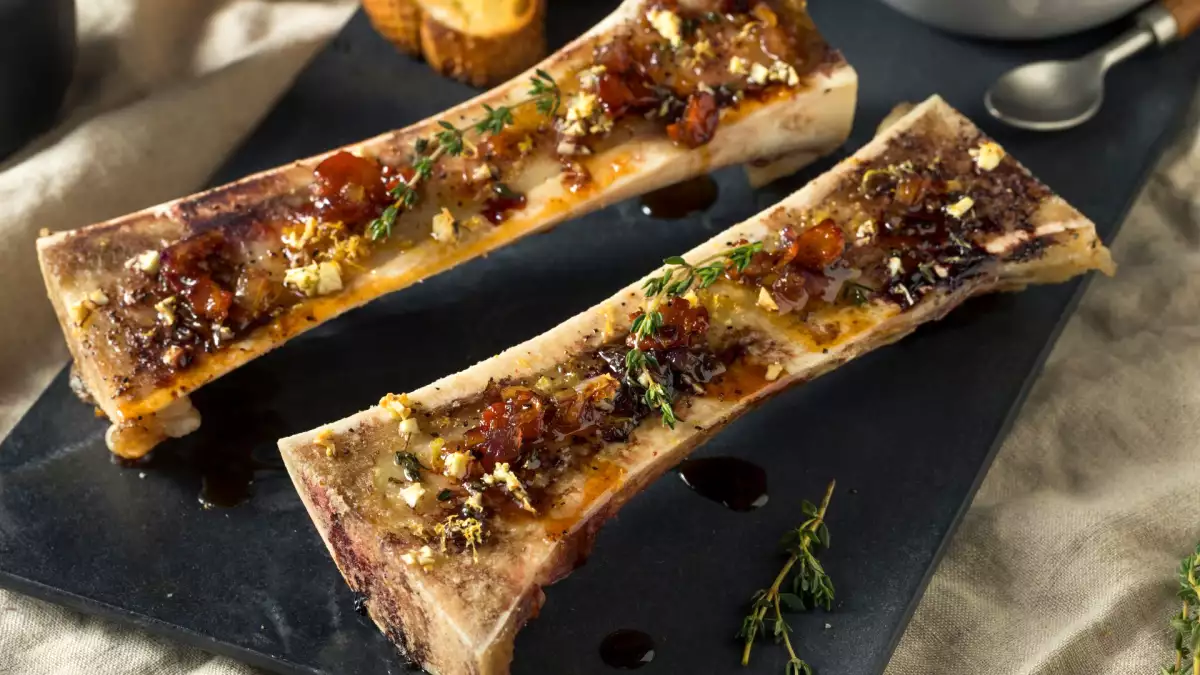
The real challenge isn’t the recipe itself. It’s mainly about the cooking time: the marrow should be hot, tender, and easy to scoop out, but it shouldn’t melt completely into the dish.
Here’s how to cook a marrow bone in the oven, how to know when it’s ready to take out, and what to serve with it to avoid a dish that’s too greasy on the palate.
Which bone should I ask the butcher for?
For oven cooking, ask for beef marrow bones with plenty of marrow. It’s easiest to have them split lengthwise: this makes the marrow easier to season, monitor, and spread after cooking.
Sliced pieces also work, but they can sometimes be harder to eat neatly. They may require a few extra minutes of cooking time depending on their thickness.
In any case, choose fresh bones, keep them in the refrigerator until you’re ready to cook, and take them out only long enough to preheat the oven.
Sliced pieces also work, but they can sometimes be harder to eat neatly. They may require a few extra minutes of cooking time depending on their thickness.
In any case, choose fresh bones, keep them in the refrigerator until you’re ready to cook, and take them out only long enough to preheat the oven.
Should you soak the bone marrow before cooking?
It’s not necessary for a simple, everyday recipe. Some cooks soak the bones in cold salted water to remove some of the blood and get a clearer bone marrow.
But for a family meal in the oven, you can easily cook the bones right away, especially if they come from a butcher and are well-prepared.
A really helpful tip: wipe the bones dry, place them in a stable baking dish, then lightly salt the marrow before putting them in the oven.
But for a family meal in the oven, you can easily cook the bones right away, especially if they come from a butcher and are well-prepared.
A really helpful tip: wipe the bones dry, place them in a stable baking dish, then lightly salt the marrow before putting them in the oven.
Simple Oven Cooking
Preheat the oven to 200 °C. Place the bones in a baking dish, marrow side up if the bones are split. Add a little fleur de sel, pepper, and, if you like, a sprig of thyme or rosemary.
Bake for about 15 to 20 minutes for bones split lengthwise. For very thick pieces, you may need to bake them a few minutes longer.
The marrow is ready when it becomes glossy and jiggly, and a knife tip slides in without resistance. It should be melt-in-your-mouth tender, but not have turned into oil at the bottom of the dish.
Bake for about 15 to 20 minutes for bones split lengthwise. For very thick pieces, you may need to bake them a few minutes longer.
The marrow is ready when it becomes glossy and jiggly, and a knife tip slides in without resistance. It should be melt-in-your-mouth tender, but not have turned into oil at the bottom of the dish.
The sign that indicates it's time to stop cooking
An overcooked marrowbone loses its appeal: the marrow runs out, pools in the dish, and there’s almost nothing left to spread.
So keep an eye on it after 15 minutes. If the marrow starts to shrink significantly or bubble, remove the dish from the oven.
The ideal result is simple: the marrow should be scoopable with a teaspoon, remain soft, and hold its shape well enough to be placed on a slice of toast.
So keep an eye on it after 15 minutes. If the marrow starts to shrink significantly or bubble, remove the dish from the oven.
The ideal result is simple: the marrow should be scoopable with a teaspoon, remain soft, and hold its shape well enough to be placed on a slice of toast.
Should you add salt before or after?
Both are possible, but fleur de sel works especially well when serving. It adds a crunchy texture and brings out the very mild flavor of the marrow.
Season lightly with salt before cooking. After cooking, serve with fleur de sel, coarsely ground pepper, a little parsley, a squeeze of lemon, or a few capers if you want a more vibrant flavor.
The idea isn’t to mask the marrow’s flavor, but to bring out its depth.
Season lightly with salt before cooking. After cooking, serve with fleur de sel, coarsely ground pepper, a little parsley, a squeeze of lemon, or a few capers if you want a more vibrant flavor.
The idea isn’t to mask the marrow’s flavor, but to bring out its depth.
The essential side dish: toast
Toasted bread is practically a must. It adds the crispiness that the marrow lacks and lets you enjoy it like a warm open-faced sandwich.
Choose country bread, a traditional baguette, or sourdough bread. Cut fairly thick slices, toast them, and then rub them with a clove of garlic, if desired.
Serve the marrow straight from the oven with the warm toast—that’s when the texture is at its best.
Choose country bread, a traditional baguette, or sourdough bread. Cut fairly thick slices, toast them, and then rub them with a clove of garlic, if desired.
Serve the marrow straight from the oven with the warm toast—that’s when the texture is at its best.
The Best Side Dishes to Balance Your Meal
The marrow is rich. To balance it out, add something fresh, tangy, or crunchy.
The best accompaniments are a green salad dressed with plenty of vinegar, cornichons, red onion pickles, old-fashioned mustard, or a few roasted vegetables that aren’t too sweet.
Baby potatoes can also work well, but it’s best to serve them with a zesty sauce, such as a mustard vinaigrette or a lemon-parsley dressing.
The best accompaniments are a green salad dressed with plenty of vinegar, cornichons, red onion pickles, old-fashioned mustard, or a few roasted vegetables that aren’t too sweet.
Baby potatoes can also work well, but it’s best to serve them with a zesty sauce, such as a mustard vinaigrette or a lemon-parsley dressing.
A bistro-style dish
For a simple dish, plan on one nice, split bone per person as an appetizer, or two small pieces. Add two slices of toasted bread, fleur de sel, pepper, a few pickles, and a small salad.
For a more substantial dish, serve the marrow bone with roasted potatoes, a herb salad, and mild or old-fashioned mustard.
The contrast is key: warm marrow, crispy bread, tangy condiment, and fresh greens.
For a more substantial dish, serve the marrow bone with roasted potatoes, a herb salad, and mild or old-fashioned mustard.
The contrast is key: warm marrow, crispy bread, tangy condiment, and fresh greens.
Can it be prepared in advance?
Bone marrow is best right after cooking. This is a last-minute recipe: prepare the bread, salad, and condiments ahead of time, then put the bones in the oven just before sitting down to eat.
You can ask the butcher for the bones the day before and prepare the side dishes ahead of time. But the bones themselves should be cooked just before serving.
If the bones sit too long, the marrow cools, solidifies, and becomes much less pleasant to spread.
You can ask the butcher for the bones the day before and prepare the side dishes ahead of time. But the bones themselves should be cooked just before serving.
If the bones sit too long, the marrow cools, solidifies, and becomes much less pleasant to spread.
Safety Habits to Keep in Mind
As with other meat products, keep the bones refrigerated before cooking and avoid leaving them out at room temperature.
Serve them piping hot, on a clean platter, with clean utensils. If you have any doubts about their freshness, smell, or appearance, don’t take any chances.
For a family meal, the simplest option is to buy the bones from a butcher you trust and cook them the same day or shortly after purchase.
Serve them piping hot, on a clean platter, with clean utensils. If you have any doubts about their freshness, smell, or appearance, don’t take any chances.
For a family meal, the simplest option is to buy the bones from a butcher you trust and cook them the same day or shortly after purchase.
Good Table Manners
Marrowbone pairs well with bold accompaniments. Sourdough bread, a vinaigrette salad, pickles, old-fashioned mustard, or a few fresh herbs are often enough.
As for drinks, a light, chilled red wine, a crisp dry white wine, or even a lightly sweet lager can work well. The goal is to avoid adding too much heaviness to a dish that’s already very rich.
Ultimately, a great dish comes down to a few simple things: melt-in-your-mouth marrow, toasted bread, salt, acidity, and immediate service.
As for drinks, a light, chilled red wine, a crisp dry white wine, or even a lightly sweet lager can work well. The goal is to avoid adding too much heaviness to a dish that’s already very rich.
Ultimately, a great dish comes down to a few simple things: melt-in-your-mouth marrow, toasted bread, salt, acidity, and immediate service.
 Adèle Peyches
Editorial manager who just can't wait for winter to enjoy fondue! Passionate about gastronomy and always on the lookout for new culinary gems, I first studied law before returning to my first love: the taste of good products and the joy of sharing around the table :)
Comments