Jeweler reveals how to restore shine to jewelry using a simple pantry product
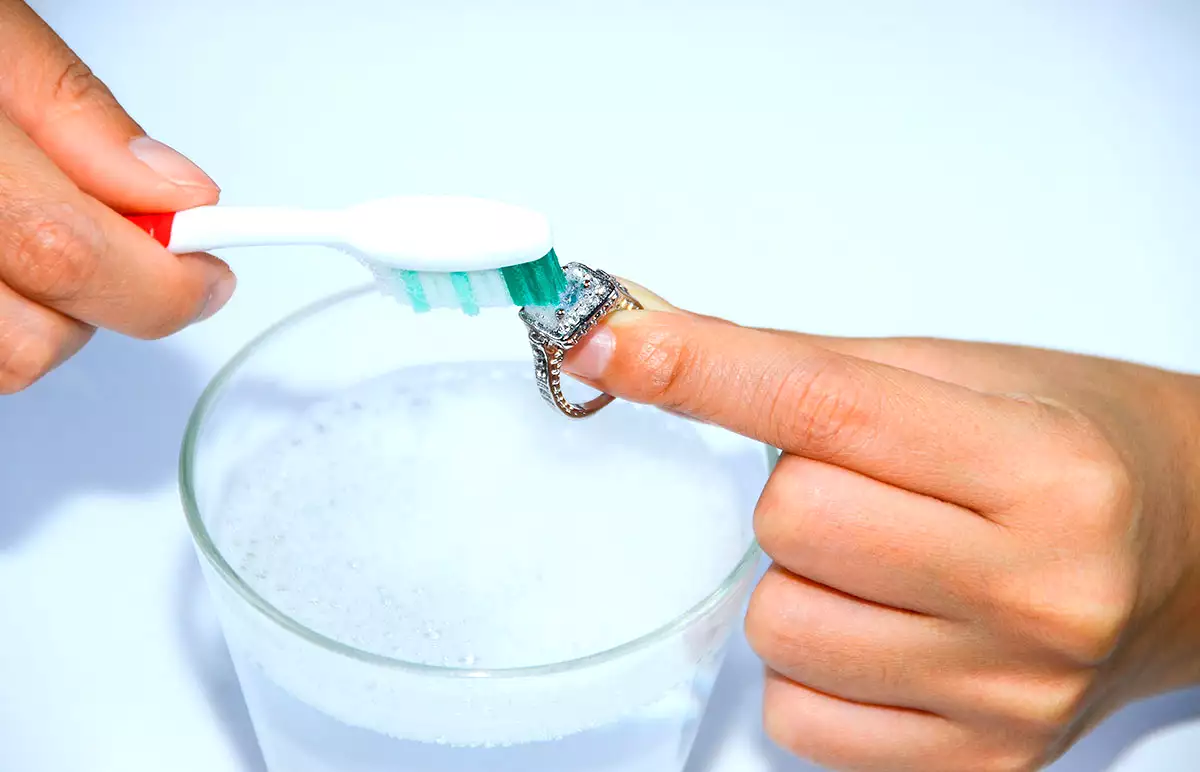
Have you ever wondered why your favorite ring has lost its luster? While professional cleaning can be costly, jeweler Fabrice Corbin reveals a surprising household ingredient that might just restore its shine. Discover effective, simple methods to bring your jewelry back to life before considering expensive alternatives.
Jewelry loses its shine with daily wear, but the fix may already sit in your cupboard: bicarbonate of soda. Jeweler Fabrice Corbin shares how to use it to revive gold, silver, and set stones, with tailored steps for sturdy pieces and extra care for fragile gems like opal and emerald. He explains when to mix bicarbonate with water or a touch of toothpaste for gentler cleaning, and which chemicals to avoid. For blackened silver or stubborn grime, he also flags the moments to hand pieces to a professional.
Why do your favorite pieces lose their shine?
Jewelry dulls faster than you think. Everyday life leaves a film of oils, soap, sweat, and cosmetics that clings to metal and stone. Air pollution and perfumes add to the mix. On silver, traces of sulfur in the air create tarnish that dims the surface. Even gentle wear creates micro‑scratches that scatter light, making stones look flat.
None of this means your pieces are ruined. It just means they need regular upkeep. A quick clean restores sparkle, protects settings, and keeps clasps working smoothly. Think of it as routine maintenance for your small valuables. A few smart habits will save you time and avoid costly repairs later.
The surprising power of bicarbonate of soda
Enter a dependable kitchen hero: bicarbonate of soda. It’s mildly alkaline, so it lifts greasy residue, neutralizes skin acids, and loosens grime without harsh chemicals. Its ultra-fine particles offer gentle abrasion that’s safe for most metals, including gold and platinum, and for hard stones like diamonds, sapphires, topaz, and aquamarine.
Jeweler Fabrice Corbin recommends it because it’s effective, cheap, and easy to control at home. Use a light touch and rinse thoroughly. For many pieces, bicarbonate outperforms generic “all‑purpose” cleaners that can leave residues or contain unnecessary perfumes.
Step-by-step guide for cleaning your jewelry at home
Follow this simple routine suggested by Fabrice Corbin.
- Prep a paste: mix 1 teaspoon bicarbonate with a few drops of warm water to a creamy texture.
- Apply with a soft brush or microfiber. Work gently around prongs and under settings where dirt hides.
- For solid gold or platinum bands, a 10-minute soak in warm water with a pinch of bicarbonate helps lift buildup.
- Rinse thoroughly in lukewarm water. Hold over a bowl, not an open drain.
- Dry with a lint-free cloth and finish with a jewelry polishing cloth for extra shine.
For very delicate assemblies, Corbin suggests a milder option: a pea-sized dab of plain white toothpaste diluted 1:1 with water and a pinch of bicarbonate, applied with a cotton swab. Keep strokes light and avoid aggressive scrubbing. Always test on a hidden area first.
Special care for delicate stones and materials
Some gems are fragile or porous. Opals, emeralds, turquoise, pearls, coral, and lapis need extra caution. Do not soak them. Skip ultrasonic machines, vinegar, bleach, and ammonia. Emeralds are often oil-treated; hot water and strong cleaners can pull that oil and cloud the stone. Opals dislike sudden temperature changes and prolonged moisture.
Best approach: a barely damp microfiber cloth with a drop of mild dish soap, then immediate drying. For silver with intentional blackening (oxidized accents), avoid abrasive pastes; use a gentle cloth to preserve the contrast. When in doubt, clean the metal parts only and keep solutions away from the gem.
When to call in a professional
Home care won’t solve everything. If you see heavy black tarnish, deep scratches, loose or rattling stones, intricate filigree packed with grime, or plating that’s thinning, book a professional clean. A jeweler like Fabrice Corbin can combine ultrasonic, steam, careful hand-polishing, and services such as rhodium replating or prong tightening.
A yearly check-up catches wear before it becomes a heartbreak. You handle the quick cleans; let the pros handle restoration, stone security, and complex heirlooms. Your pieces will reward you with lasting shine and worry-free wear.
 Vincent Sabourdy
I make the best crêpes on the street.
I love accessible recipes, practical advice, and culinary news.
My goal: to offer the best possible culinary website to make cooking a pleasant and shared experience.
Comments