11 Iconic dishes of Mediterranean cuisine: have you tasted them all at least once?
Mediterranean cuisine is not just a set of traditional recipes, but a true lifestyle of seasonality, conviviality and wholesome ingredients. Extra virgin olive oil, legumes, fish, grains and fresh vegetables are the basis of the iconic dishes of the Mediterranean diet, considered among the healthiest and most balanced dietary patterns in the world.
 The Mediterranean diet and its impact on heart health
The Mediterranean diet is not just a dietary pattern, but an authentic lifestyle that offers multiple health benefits. Originating in the countries surrounding the Mediterranean Sea, it has been widely recognized for its ability to reduce the risk of cardiovascular disease. In addition, it promotes an optimal balance of nutrients, improving overall well-being.
1. Seafood paella, the great Spanish classic
Seafood paella is one of the symbols of Spanish Mediterranean cuisine. Rice, saffron, mussels and shrimp come together in a convivial and scenic dish. The key is not to stir constantly while cooking. The light crust on the bottom, called socarrat, is the most valuable part.
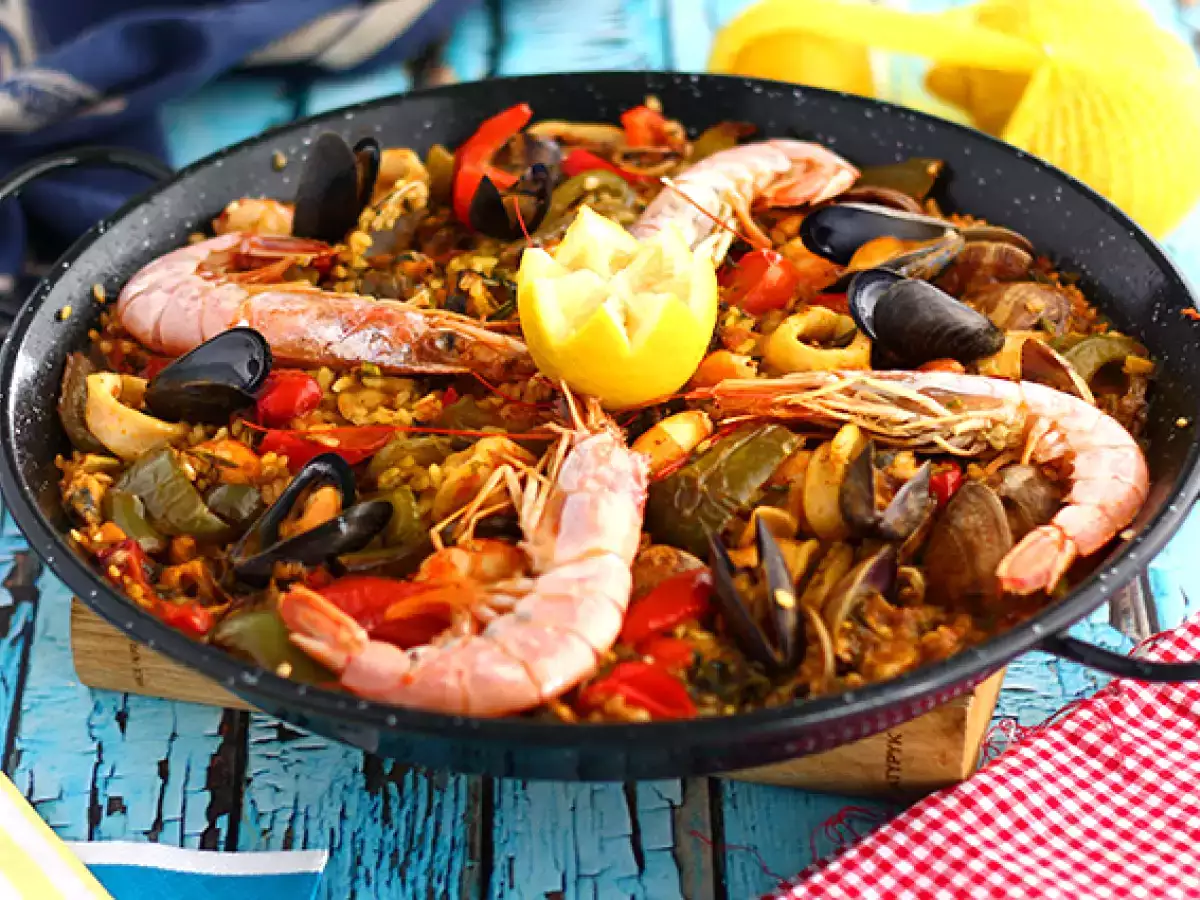
A paella like they do in Spain, are you tempted?! To help you make it, we offer you an infallible recipe explained step by step. With it, you'll realize that paella is much easier to make than you imagine ;-) A super friendly dish that you will enjoy...
2. Original, fresh and authentic Greek salad
Traditional Greek salad, or horiatiki, is one of the signature dishes of Hellenic cuisine, prized for its simplicity and balance of flavors. Fresh and wholesome, it combines traditional Mediterranean ingredients in a rich and harmonious combination. To best enhance its taste, choose a fruity extra virgin olive oil and add oregano only at the end, so as to preserve all its intense aroma.
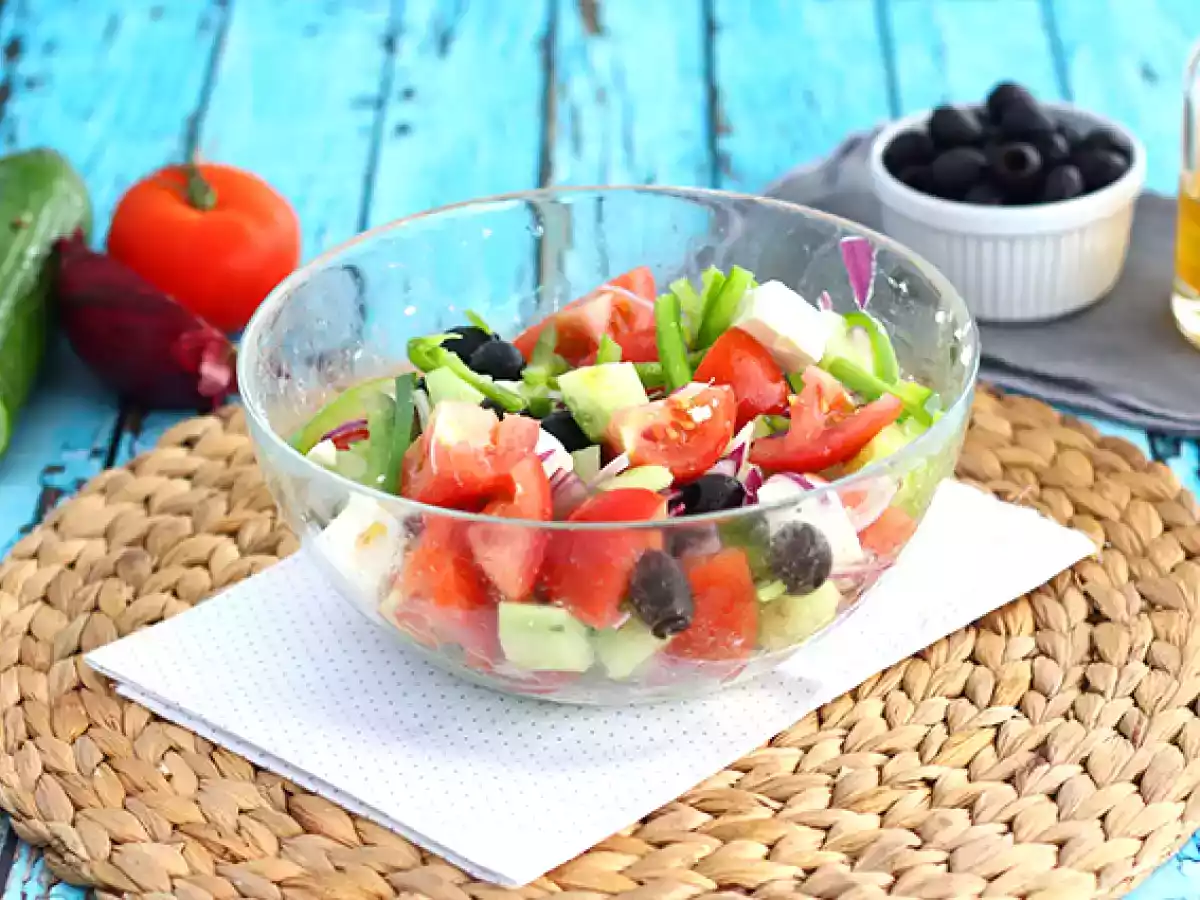
Among all the composed salads we usually prepare, there is one that particularly captivates us: the Greek salad! Also known as 'Horiatiki', we love the ultra-fresh combination of tomatoes, cucumber, black olives, and of course feta, THE quintessential...
3. Sicilian caponata, the perfect balance of sweet and sour
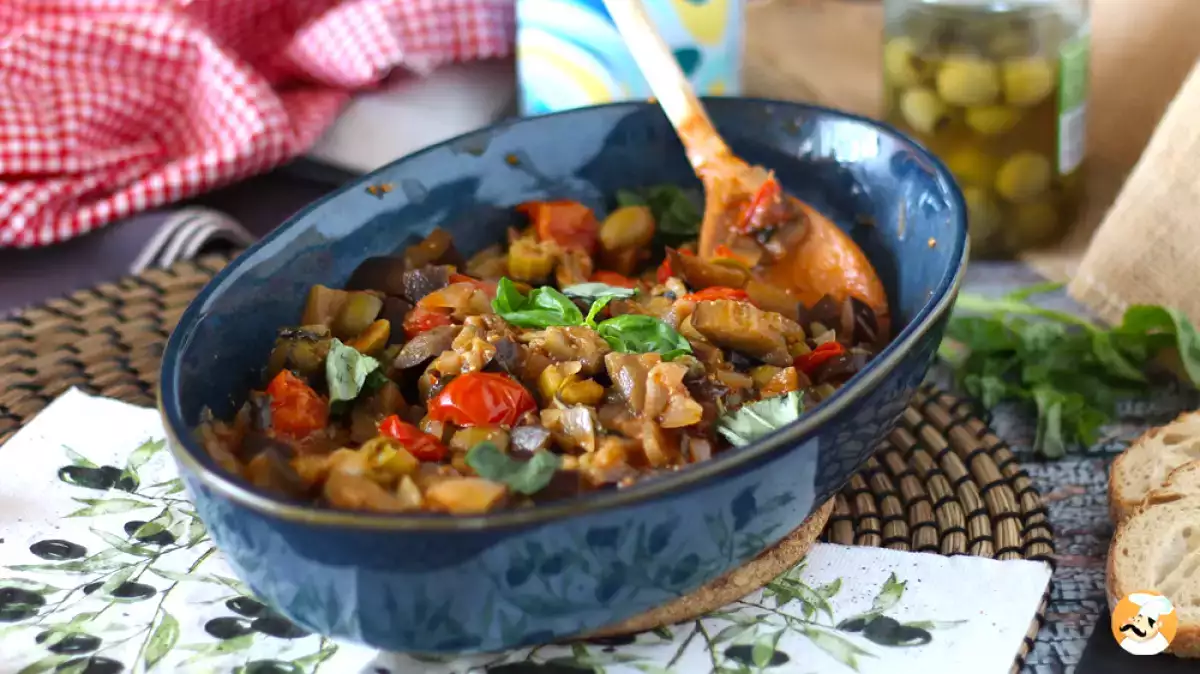
The original Sicilian caponata is an iconic side dish made with eggplant, celery, capers and tomato. The contrast between vinegar and sugar creates an unmistakable flavor. Prepare it in advance because resting amplifies the harmony of flavors.
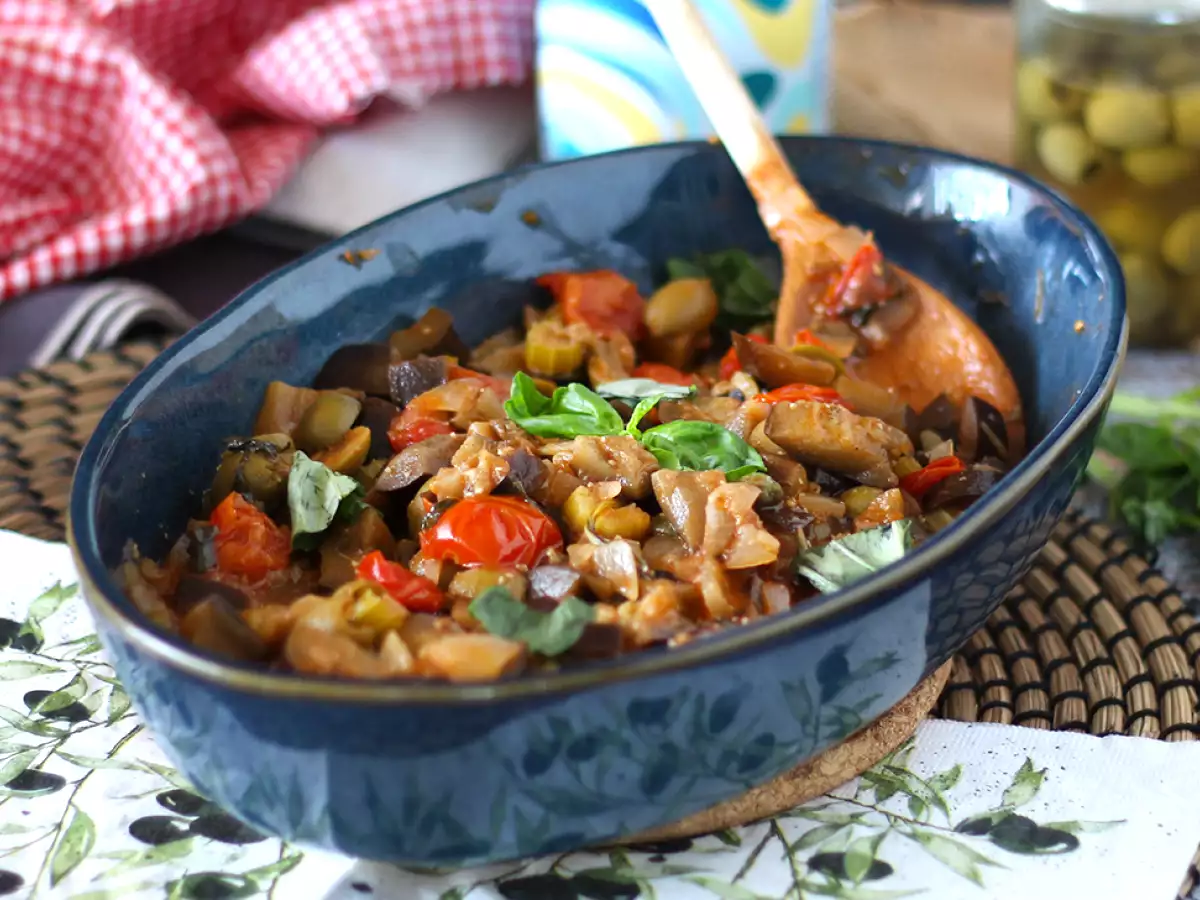
Sicilian caponata is a traditional Italian recipe that we love to make at Ptitchef! Bursting with sunshine and flavor, one of its stars is eggplant . Combined with tomatoes and olives, this Italian ratatouille can be enjoyed as an appetizer...
4. Shakshuka, Mediterranean-style tomato eggs
Maghreb shakshuka is a vegetarian dish made with tomatoes, peppers, spices and eggs cooked in sauce. Perfect for brunch or a quick dinner, it combines simplicity and character. Cover the pan while cooking for firm whites and creamy yolks.
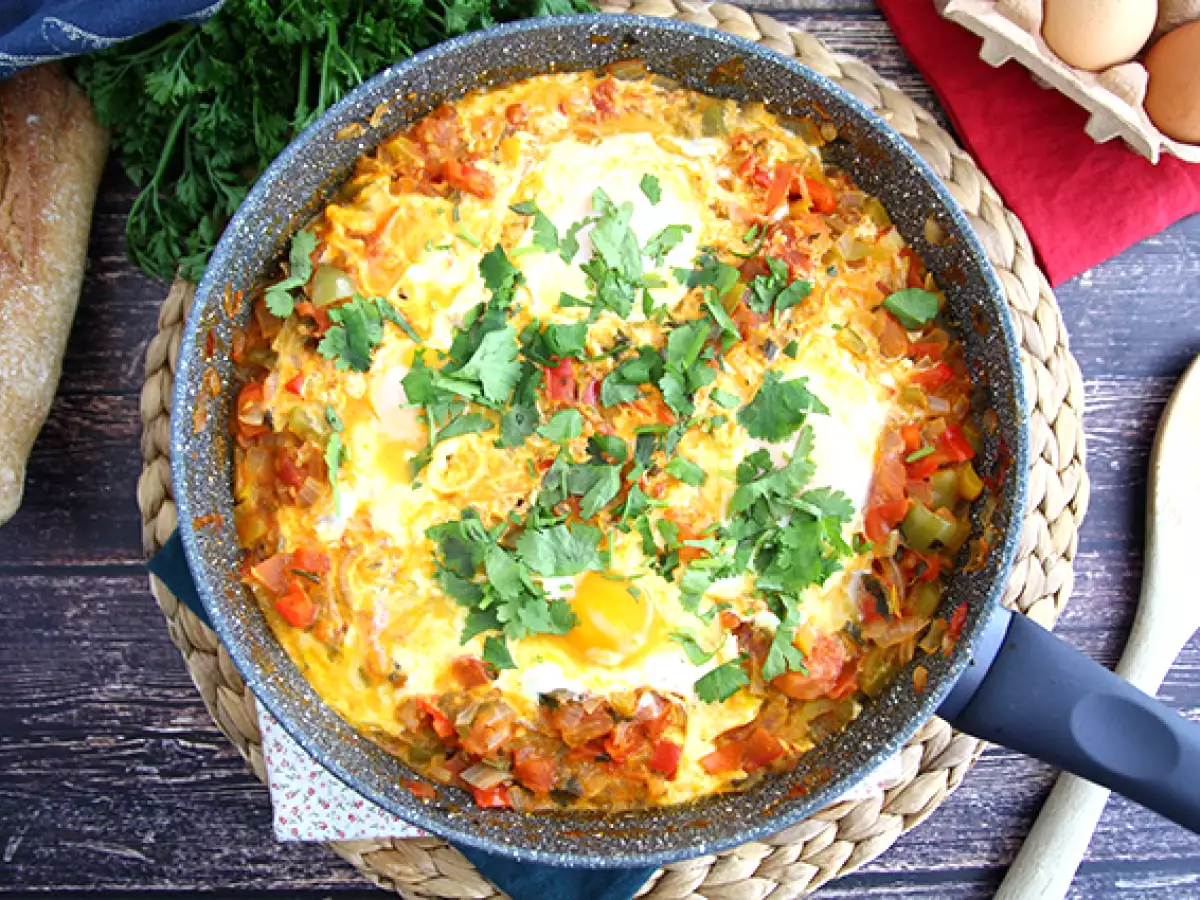
Load up on sunny vegetables with this dish straight from the Maghreb: Chakchouka! A blend of tomatoes, peppers, and spices where you will crack eggs that will cook gently. It's a chance to enjoy a vegetarian dish rich in flavors and colors. Easy to...
5. Eggplant parmigiana, the Italian queen of tradition
Traditional eggplant parmigiana alternates layers of fried eggplant, tomato sauce and stringy cheese. It is one of the signature dishes of Italian Mediterranean cuisine. The oil must be very hot for a dry, non-greasy fry.
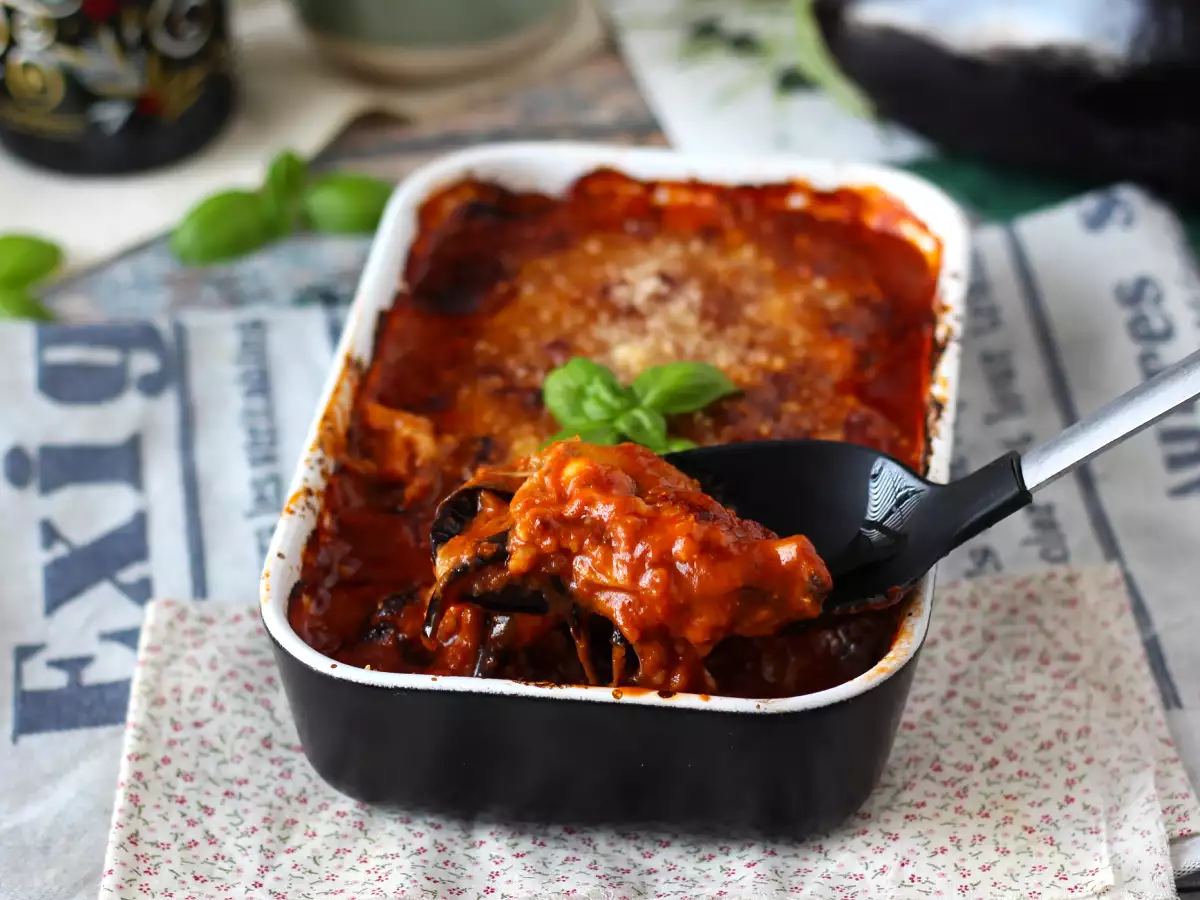
It is a simple and delicious vegetarian gratin , ideal for making the most reluctant to eat vegetables. This preparation brings together all the flavors of Mediterranean cuisine that we love: mozzarella, tomatoes, basil and of course eggplant. If...
6. Lebanese hummus, the iconic chickpea cream of the Middle East
Traditional chickpea hummus is a velvety cream made from chickpeas, tahina, lemon and extra virgin olive oil. Perfect for healthy appetizers and vegetarian dishes. Whisk the chickpeas while still warm with a little cold water for a smooth, enveloping texture.
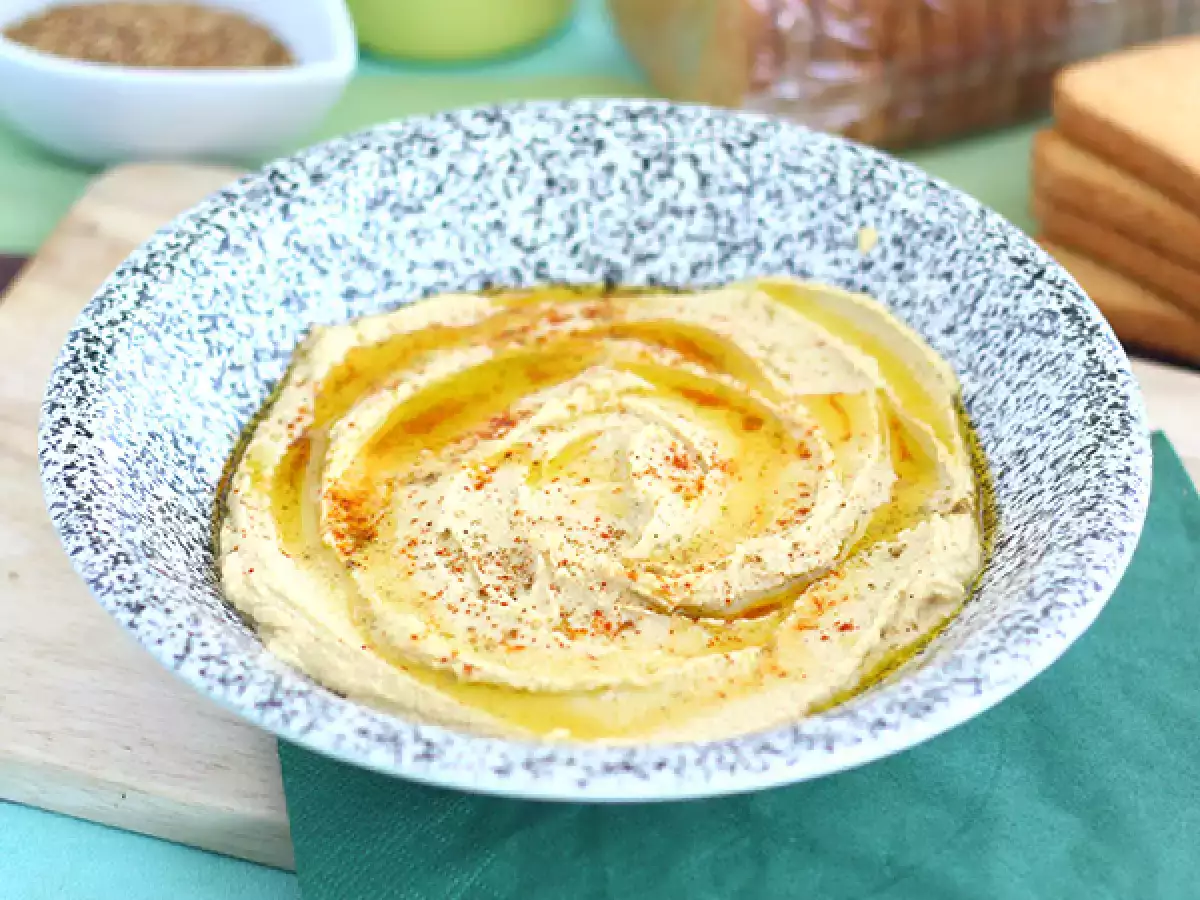
We are celebrating chickpeas today with this delicious Lebanese specialty! Enjoy this recipe all day long with pita bread or fresh veggies!
7. Spaghetti alla puttanesca, an intense Mediterranean first course
Spaghetti puttanesca represents a quick but personality-packed first course. Tomatoes, olives, capers and anchovies create a savory and slightly spicy balance. Melt the anchovies in hot oil before adding the tomato for a more harmonious flavor.
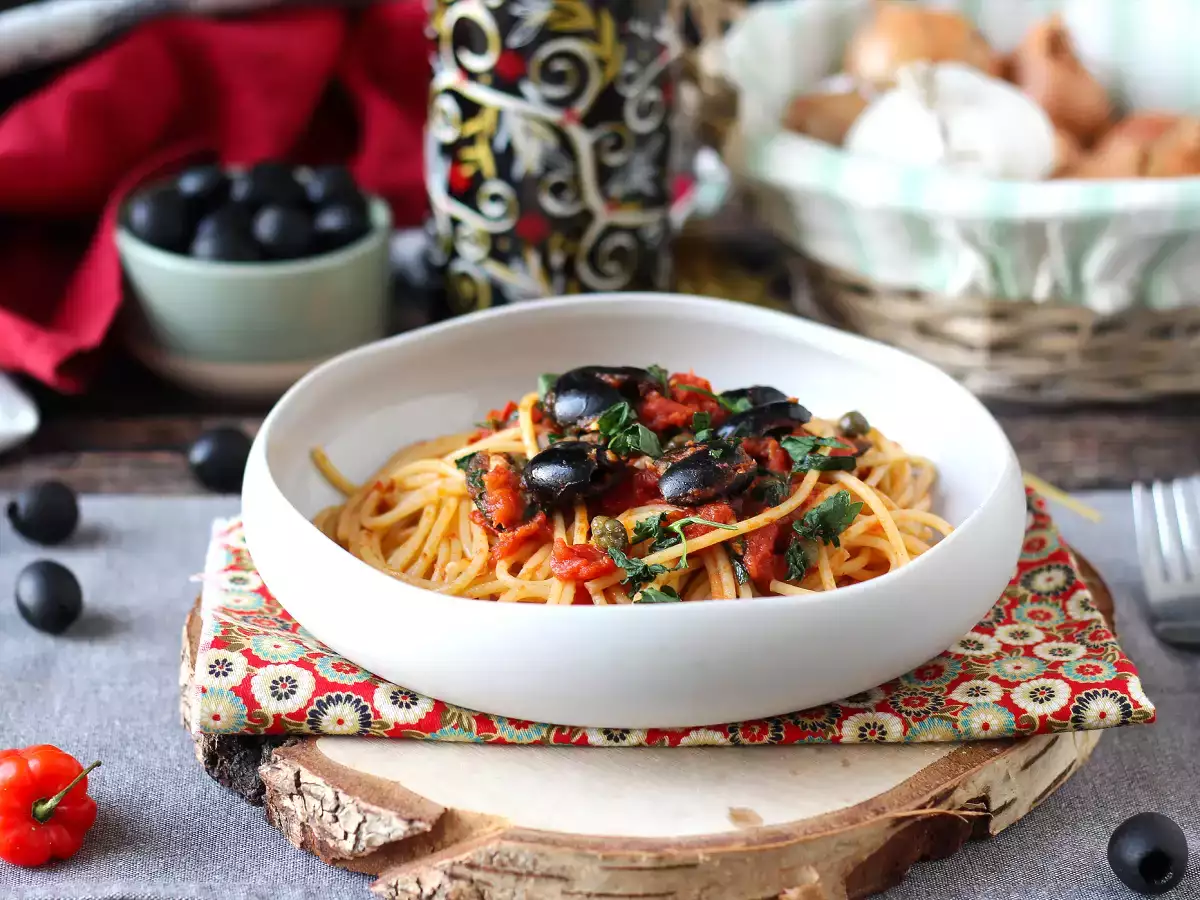
A super easy pasta dish to make and with a flavored result just the way we like it. With these spaghetti, you will invite the Mediterranean sun to your table ;-) On the menu, a mix of flavors between tomatoes , capers , olives and anchovies . All...
7. Crispy falafel, vegetarian Mediterranean street food
Chickpea falafel are spicy patties beloved throughout the Eastern Mediterranean. Crispy on the outside and soft on the inside, they are also ideal for buffets and appetizers. The dough should rest in the refrigerator at least 30 minutes before baking.
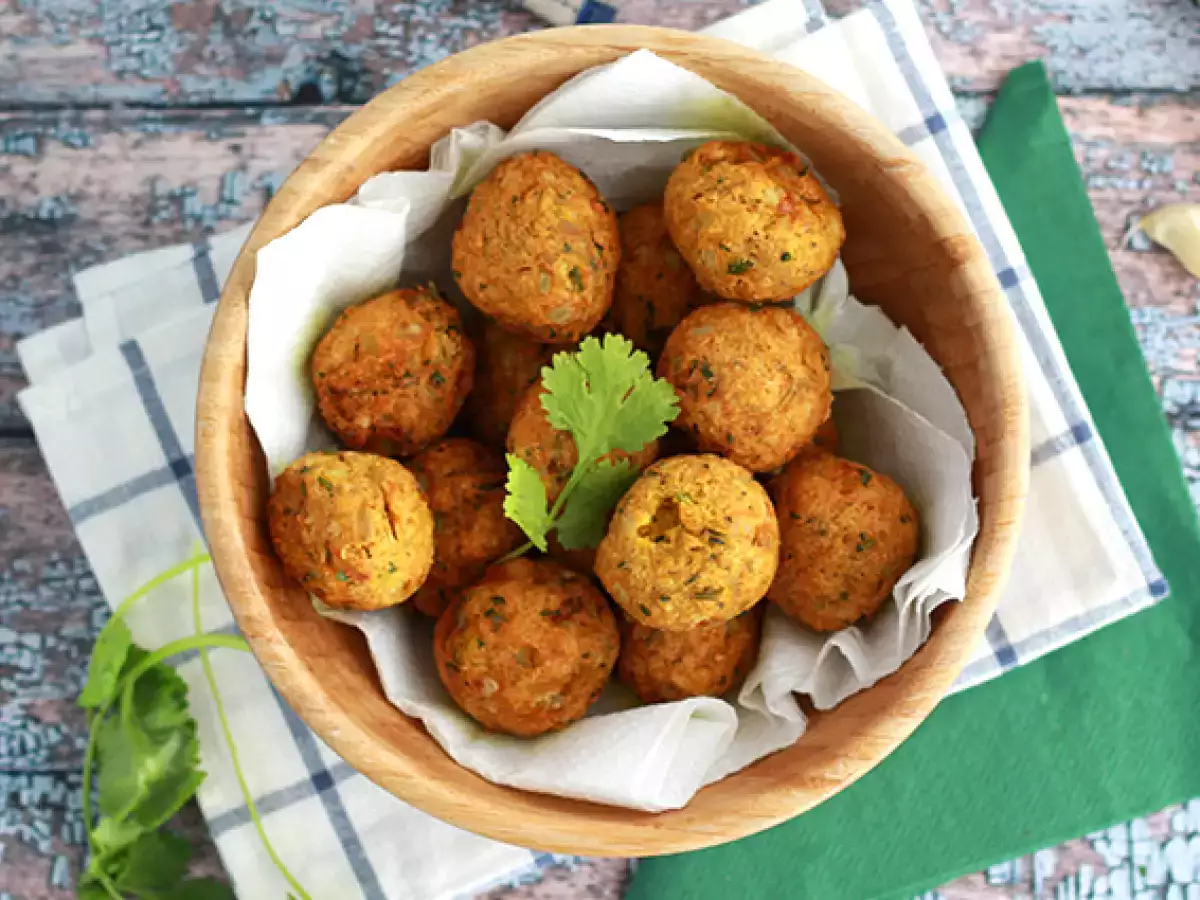
One of our favorite recipes to make with chickpeas? Falafels! This famous recipe from the Middle East will tantalize your taste buds. A healthy, vegetarian, and aromatic preparation that showcases the richness of Lebanese cuisine. Whether as an...
8. Moroccan Harira, the rich and spicy soup
Moroccan harira is a traditional soup made with tomatoes, lentils, chickpeas and spices. Nutritious and filling, it is often consumed during Ramadan. Add fresh cilantro and a squeeze of lemon to balance the aromatic depth.
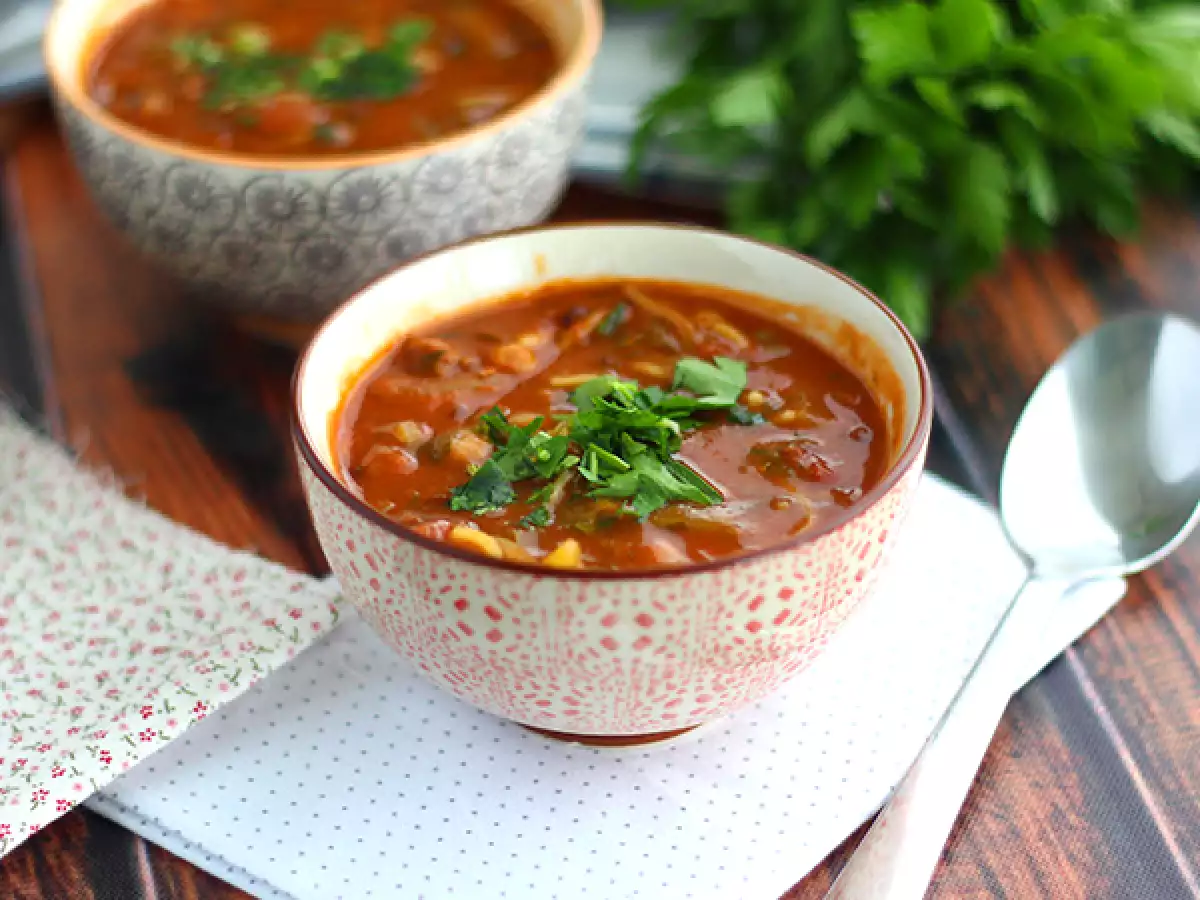
Usually consumed to break the fast during Ramadan, Harira soup is a complete meal: vegetables, meat, legumes, and carbohydrates. Everything is there to compensate for a day without food! Enhanced with spices and herbs that are characteristic of Maghreb...
9. Spaghetti with cherry tomatoes and pine nuts, Mediterranean simplicity
Spaghetti with cherry tomatoes and pine nuts is a light and fragrant Mediterranean pasta dish. Sweet cherry tomatoes, extra virgin olive oil and toasted pine nuts create an elegant balance. Toast pine nuts in a dry pan to bring out their natural aroma.
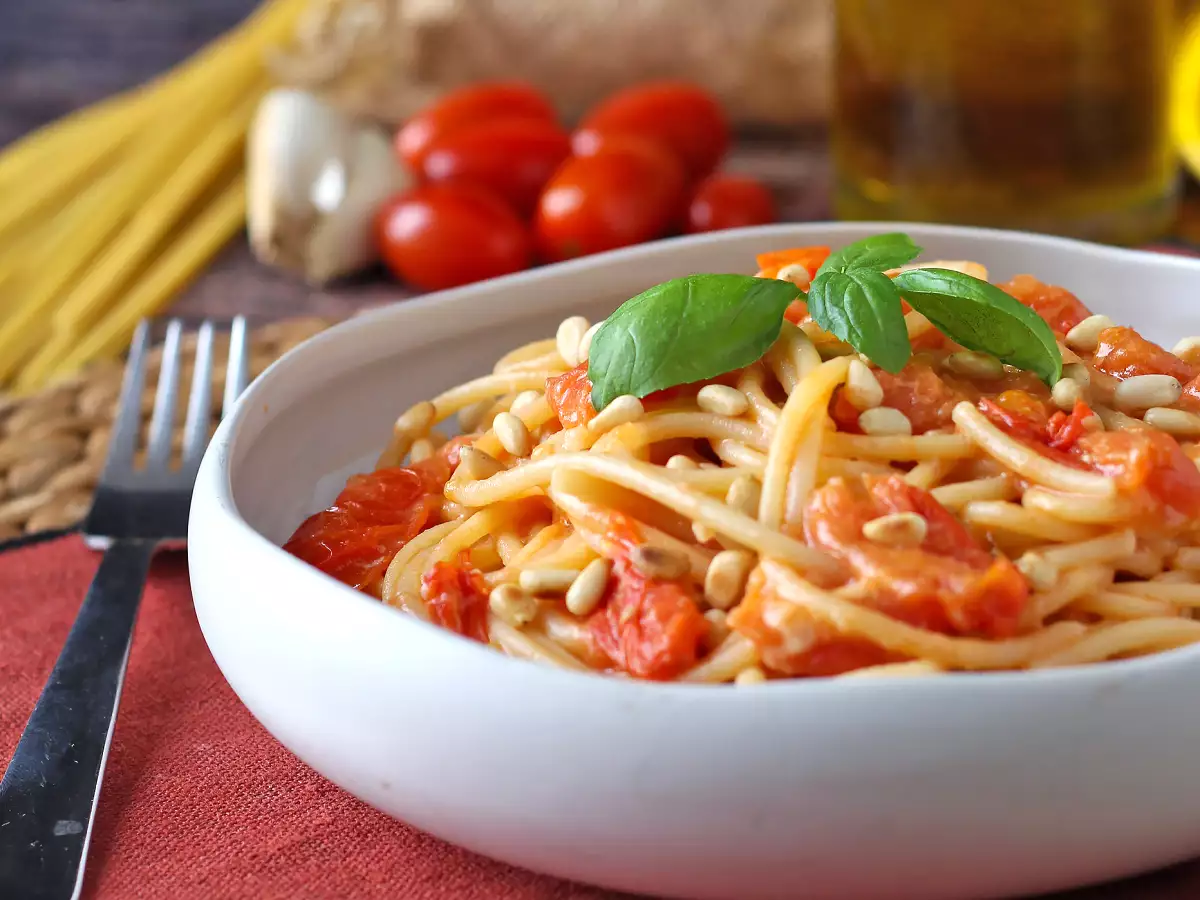
This spaghetti dish keeps it simple and lets the essentials shine: a fresh cherry tomato sauce sautéed with garlic, basil, and extra-virgin olive oil, plus toasted pine nuts for crunch . A final toss with Parmesan cheese ties everything together...
10. Chicken tajine with olives and lemon, the taste of Morocco
Chicken tagine with lemon and olives is one of the most iconic Moroccan dishes. Slow cooking, warm spices, and preserved lemon create a contrast between savory and fresh. Patience is the key: the gentle cooking makes the meat very tender.
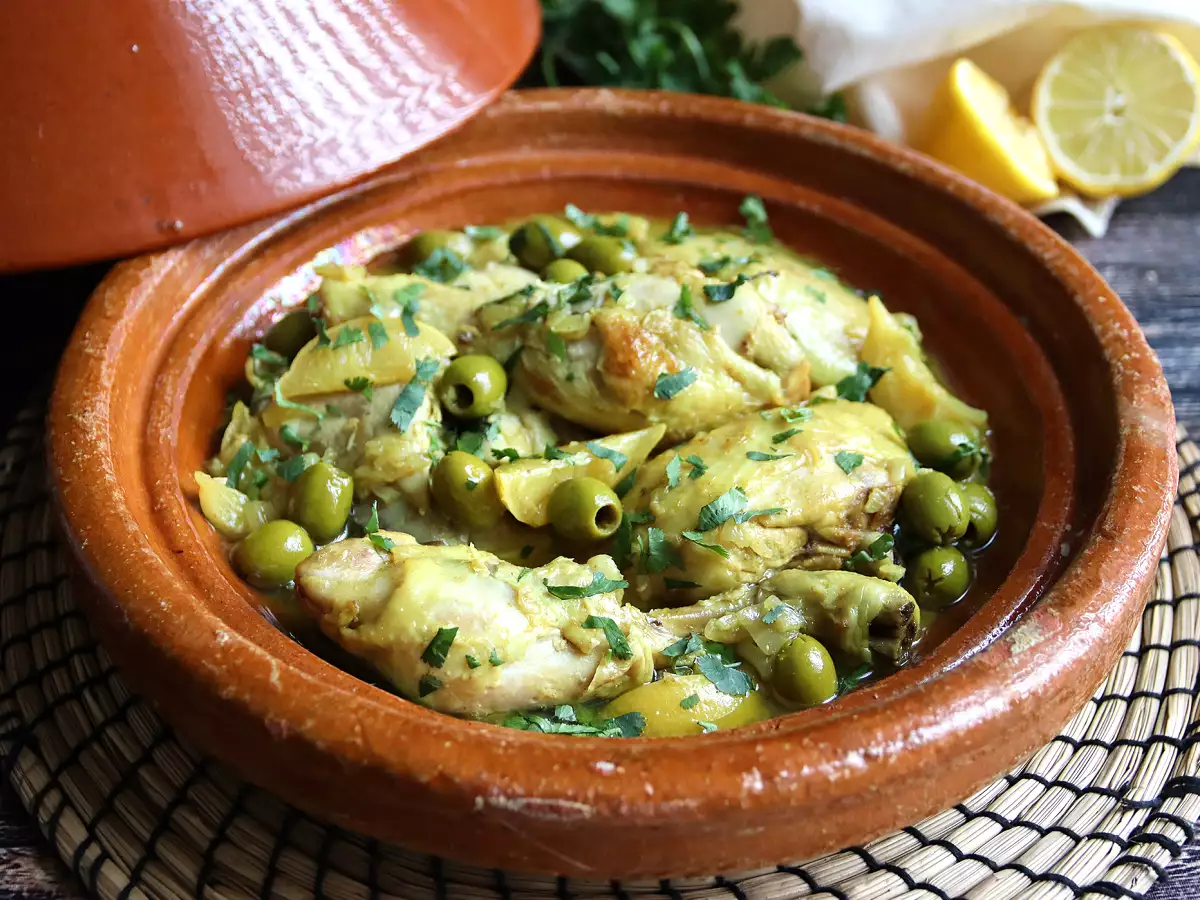
What better family dish than the tagine ?! Here, we suggest you combine the flavors of chicken , lemon and green olives . Without forgetting to sprinkle everything with fresh cilantro for those who are a fan of it ;-) With this, you can cook...
11. Traditional Greek moussaka, Mediterranean comfort food
Moussaka is one of the most iconic dishes of Greek cuisine, celebrated for its rich texture and enveloping flavor that captivates at first taste. Considered a true national specialty, it is the star of traditional tables and typical Greek taverns. There are several regional variations in Greece, each with small differences that change from area to area and tell the nuances of the local culinary tradition.
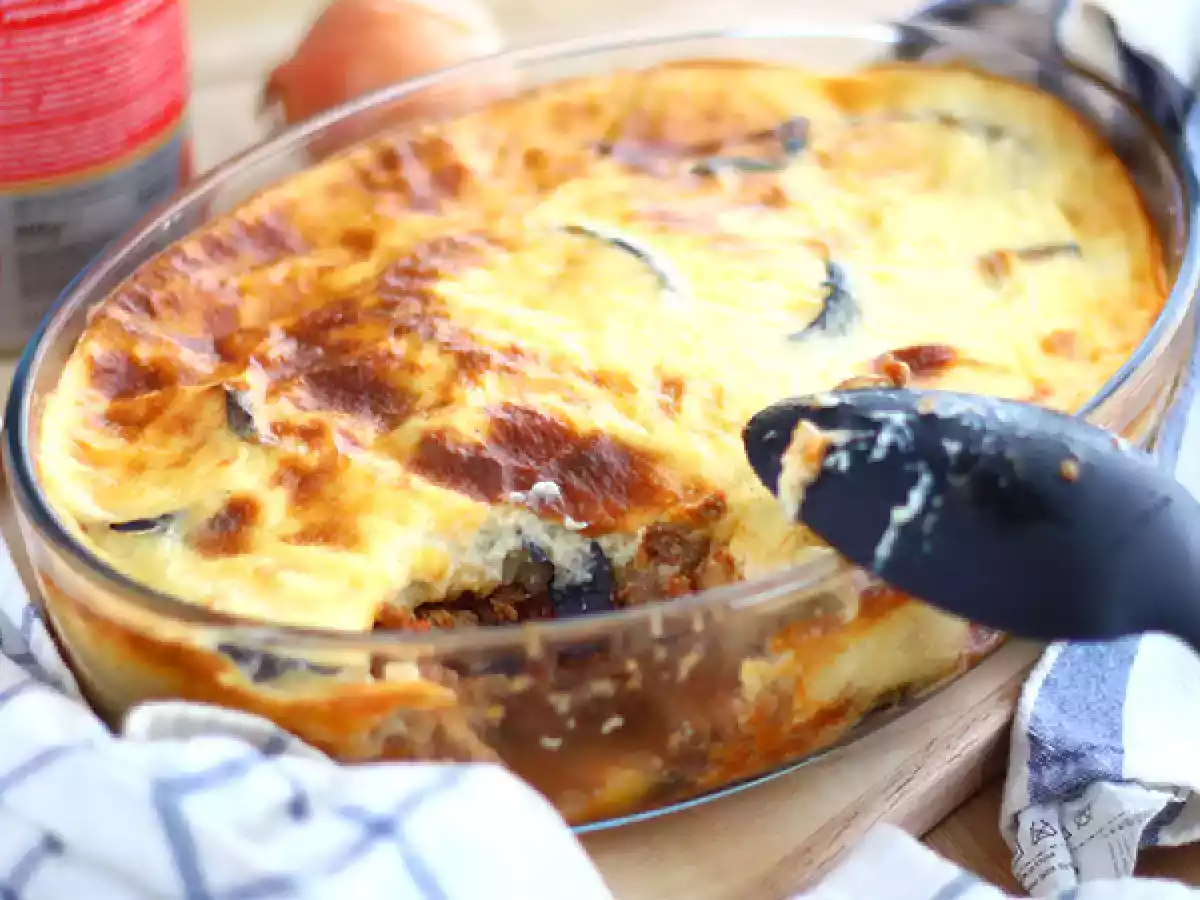
A delicious mix, using grilled eggplants and lamb meat, all spiced with cinnamon and herbs.
 Daniele Mainieri
Comments