Limescale ruining your kettle? Here’s the magic $1 fix that makes it look brand new
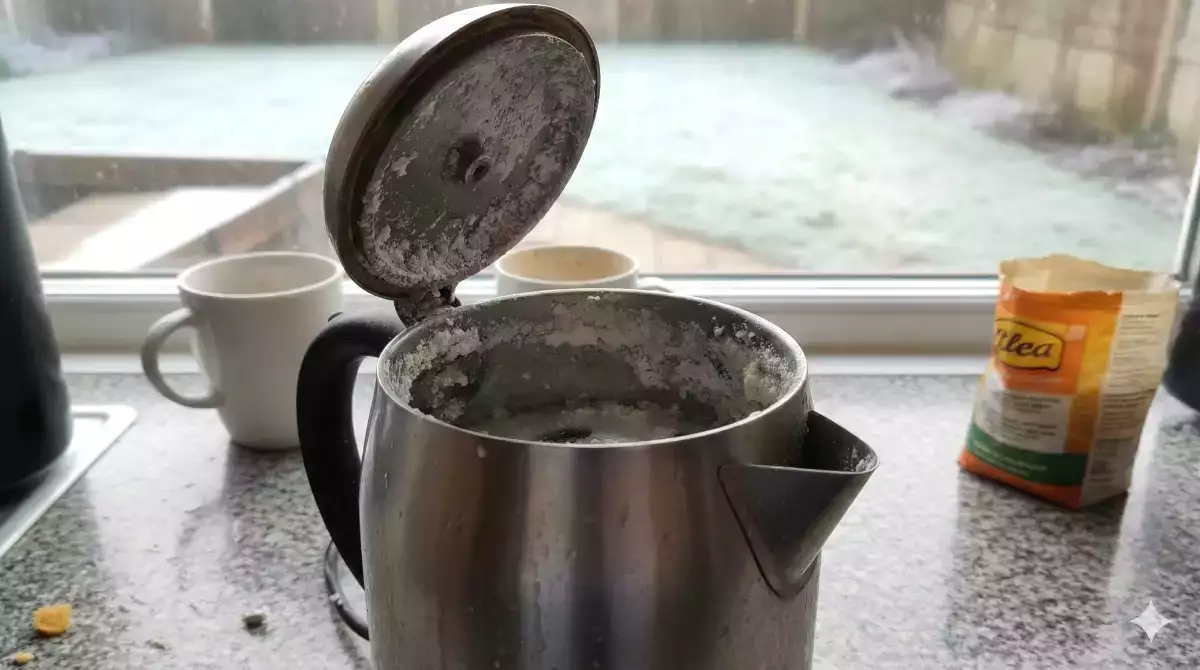
It's the accessory we use every day for tea. But as time goes by, little white patches form on the bottom and end up in our cup... The limescale is there, and it's not invited! No need to run out and buy chemicals: we'll show you how to remove it in 5 minutes with what you've already got in the cupboard.
We don't always realize it, but tap water is often very hard. As it heats up, deposits stick to the walls and heating element. The result? Your kettle makes a hellish noise, takes longer to heat up and uses more electricity for nothing. Fortunately, there's an ultra-simple, natural solution to solve the problem without scrubbing ;)
Why shouldn't you let limescale set in?
It's not just a question of cleanliness. Scale acts as a barrier to the resistance of your appliance. It's the reason your kettle looks "tired".
What's more, these little white deposits can give your drink a bad taste. A good cup of tea or coffee doesn't deserve to be spoiled by water that tastes like chalk. By cleaning your kettle regularly, you'll also keep it much longer. It's good for your wallet and good for the planet!
The magic ingredient: white vinegar
This is the number 1 tip you need to know. White vinegar is unbeatable because it eats limescale naturally. It's fast, it's cheap, and it's super effective.
The easy way to perfect cleaning:
- The mixture : Pour half water and half white vinegar into your kettle. You don't have to fill it to the top, just make sure the mixture covers any white areas of limescale.
- Heating : Turn on the kettle and bring the mixture to the boil. Heating the vinegar will boost its effectiveness and loosen limescale in seconds.
- Leave to set: Once the kettle stops, don't empty it just yet! Leave it to stand for about 15 minutes. You'll see the limescale come off the bottom by itself.
- Rinse well: Empty the mixture into the sink (it'll clean your pipes too!). Rinse the kettle two or three times with cold water to remove the odour.
- The final test: Fill it one last time with clear water, boil and discard. Now your kettle's as good as new!
Tip if you don't like the smell of vinegar
If the smell of vinegar bothers you, there's a very effective plan B: lemon.
Lemon juice contains acid, which works very well against tartar. Simply cut a lemon in half, squeeze the juice into the kettle with a little water, and throw the pieces in. Boil the whole thing, leave to stand for a while, and rinse. Plus, it'll leave your kitchen smelling super fresh!
How can I prevent limescale from returning too quickly?
Now that everything's clean, how can I space out the cleaning? Limescale loves stagnant water.
Here's how: when you've finished using the kettle, empty it of the remaining water, rather than leaving it in until the next day. If you can, leave the lid open to allow the inside to dry out properly.
Another simple tip: put a small clean pebble or a well-washed oyster shell in the bottom of the kettle. The limescale will stick to it instead of the walls. It's an old grandmother's trick that still works just as well!
In a nutshell: fast maintenance saves money
As you can see, there's no need to complicate things. A little white vinegar, boil, and you're done. It's a habit you should adopt once a month, to keep your appliance running smoothly and consuming little energy.
So, is your kettle ready for a vinegar bath? You'll see, the difference is impressive from the very first use!
 Adèle Peyches
Comments