Mountain spring water: why is it said to make your teeth fall out? Is the legend true?
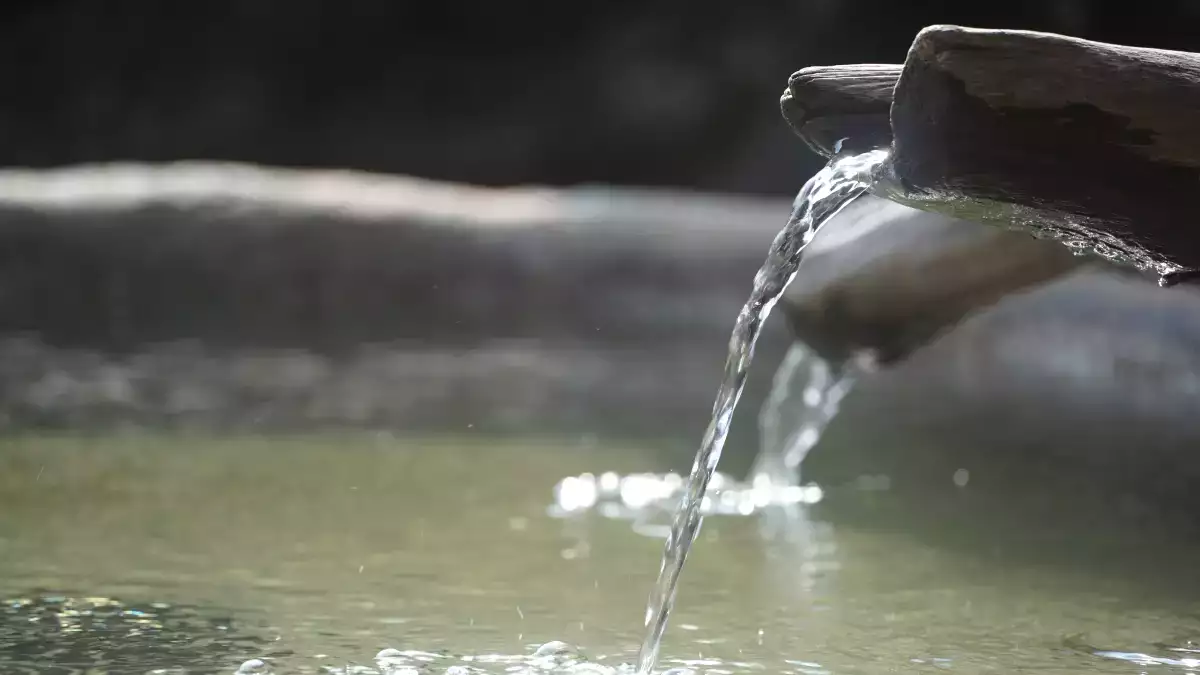
It sounds like a mountain hut legend, and for the most part, it is. But it didn’t come out of nowhere: it involves soft water, mineral salts, fluoride, old observations in isolated communities, and a lot of confusion passed down by word of mouth.
The short answer is clear: drinking spring water at high altitudes does not cause your teeth to fall out. Understanding the origin of this belief, however, helps you drink without worry and truly protect your smile.
Why was it said that mountain water ruined your teeth?
The fountain was right there; everyone drank from it, so it seemed like a convenient explanation. In reality, those dental problems were often caused by untreated cavities, inflamed gums, malnutrition, infrequent brushing, and a lack of dental checkups.
This raises a question that still intrigues us today: Is mountain water bad for your teeth? No, if it’s safe to drink. It may have different characteristics than water from the lowlands, but that doesn’t mean it can cause your teeth to fall out.
Does soft water really leach calcium from tooth enamel?
The reasoning seems logical, but it doesn’t work that way. Tooth enamel does not depend on the calcium in a glass of water. Teeth and bones form and are maintained thanks to nutrients absorbed over time through diet, not because water passes through the mouth for a few seconds and directly “nourishes” the enamel.
Calcium, phosphorus, vitamin D, and a varied diet remain important for the body. But attributing to “light” water the power to weaken teeth to the point of causing them to fall out is a misguided oversimplification. The real difference comes down to oral hygiene, diet, saliva, sugar intake, and regular checkups.
Fluoride: the detail that has caused so much confusion
The confusion arises because not all waters contain the same amount of fluoride. Some contain very little, while others contain more. The right question, therefore, is not “Does spring water ruin your teeth?” but rather how much fluoride it contains, in what context it is consumed, and what your oral hygiene routine is like.
- Low fluoride: Water containing very low levels of fluoride does not cause tooth loss. It simply does not provide the extra protection that can come from other sources, such as toothpaste and preventive dental care.
- Too much fluoride: Excessive and prolonged exposure, especially in children during tooth development, can lead to fluorosis, causing spots or changes in the enamel.
Fluoride, therefore, is not the villain of the story. It is an element that should be considered with balance.
Soft water and hard water: what's the real difference?
This information describes the water’s composition, but it does not alone determine the health of tooth enamel. What matters much more for teeth is what remains in the mouth throughout the day: sugars, bacterial plaque, acidic beverages, constant snacking, and rushed brushing.
To get a better understanding, just keep four things in mind:
- Potability: A water source should only be consumed if it is certified as safe and monitored by local authorities.
- Fluoride: It’s beneficial in the right amounts, which should be evaluated especially for children.
- Total dissolved solids: This indicates the amount of minerals, but it does not determine the health of your teeth.
- Oral hygiene: It remains the daily cornerstone for protecting enamel and gums.
What really damages our teeth in everyday life?
The real threat to your smile isn’t the water bottle you fill at high altitudes. It’s the small habits you repeat without thinking: snacks between meals, sugary drinks sipped over a long period, acidic juices, brushing your teeth in a hurry, and forgetting to floss. Tooth decay occurs when bacteria in plaque convert sugars into acids, which gradually erode the enamel.
When we ask ourselves why teeth fall out, the most realistic answer isn’t “because of mountain water,” but rather a combination of factors: tooth decay, periodontitis, smoking, age, diet, trauma, and missed checkups.
So the mountains can remain what they are: clean air, cool springs, trails that make you thirsty, and an old story to tell without fear—perhaps just as you’re filling your water bottle.
 Francesco Rosso
Comments