Mushrooms turning brown? A simple guide to which to cook, which to discard, and why it matters
Sunday 27 September 2026 21:00 - Adèle Peyches
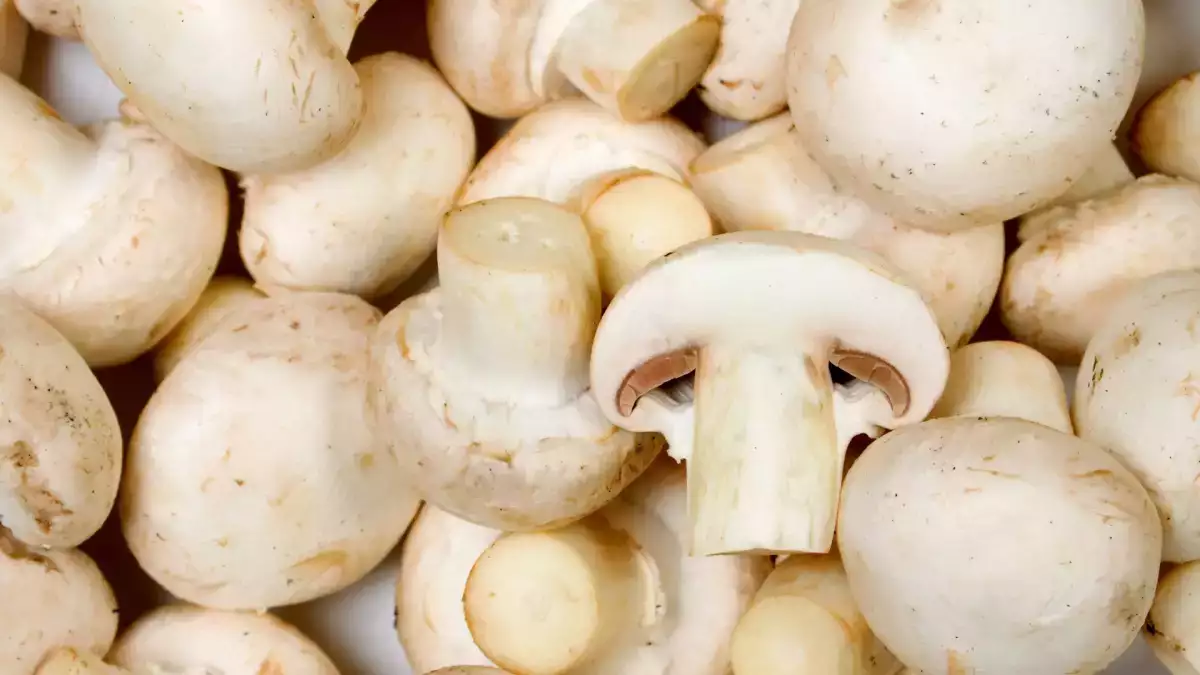
Even though button mushrooms are available almost year-round, they’re still a delicate product. The Ministry of Agriculture’s “Fall Basket” guide reminds us that they’re at their best in October and November, but also that they’re best enjoyed within four days of purchase.
So the right question isn’t just “Can I still eat them?” It’s also: What condition are they in, and what preparation works best for them?
Why button mushrooms shouldn't be left for a week
Button mushrooms contain a lot of water and change quickly after purchase. Even when stored in the refrigerator, they can lose their firmness, develop spots, dry out, or become more moist, depending on storage conditions.
The Ministry of Agriculture notes that they can be eaten raw, sautéed, in soup, risotto, blanquette, or omelets, but recommends consuming them ideally within four days of purchase.
This does not mean that a mushroom automatically becomes inedible on the fifth day. But it does provide a simple guideline: the longer you wait, the more closely you need to monitor its condition.
The Ministry of Agriculture notes that they can be eaten raw, sautéed, in soup, risotto, blanquette, or omelets, but recommends consuming them ideally within four days of purchase.
This does not mean that a mushroom automatically becomes inedible on the fifth day. But it does provide a simple guideline: the longer you wait, the more closely you need to monitor its condition.
First case: they're just a little dry
Mushrooms that are slightly wrinkled, a little less firm, or a bit dry aren’t necessarily ruined. They’ve simply started to lose moisture.
In this case, avoid serving them raw and sliced, as their texture won’t be as pleasant. It’s better to use them in a recipe where they’ll regain their appeal: stir-fry, omelet, sauce, soup, or risotto.
The ideal way to prepare them: quickly sauté them in a pan with a little oil or butter to concentrate their flavor and let the residual moisture evaporate.
In this case, avoid serving them raw and sliced, as their texture won’t be as pleasant. It’s better to use them in a recipe where they’ll regain their appeal: stir-fry, omelet, sauce, soup, or risotto.
The ideal way to prepare them: quickly sauté them in a pan with a little oil or butter to concentrate their flavor and let the residual moisture evaporate.
Second case: they turn brown on the surface
A slight browning on the surface may occur, especially if the mushrooms have been handled, rubbed, or stored for a few days. This isn’t necessarily a sign of spoilage.
You need to consider the overall condition: normal smell, still firm texture, no slimy consistency, and no mold. If the mushroom is simply a little stained but still looks healthy, it can be cooked quickly.
The ideal way to prepare it: a hot skillet, mushroom pasta, or a gratin, where the color becomes less of an issue.
You need to consider the overall condition: normal smell, still firm texture, no slimy consistency, and no mold. If the mushroom is simply a little stained but still looks healthy, it can be cooked quickly.
The ideal way to prepare it: a hot skillet, mushroom pasta, or a gratin, where the color becomes less of an issue.
Case 3: They are damp, sticky, or have a bad odor
At this point, we’re no longer talking about simple browning. If the mushrooms are slimy, very soft, sticky, have an unpleasant odor, or show signs of mold, it’s best to throw them away.
A mushroom that has truly gone bad cannot be salvaged by cooking or adding a sauce. Cooking with a focus on reducing food waste isn’t about taking risks, but about acting at the right time, before the food has gone bad.
The simple rule: suspicious smell, slimy texture, or mold = trash.
A mushroom that has truly gone bad cannot be salvaged by cooking or adding a sauce. Cooking with a focus on reducing food waste isn’t about taking risks, but about acting at the right time, before the food has gone bad.
The simple rule: suspicious smell, slimy texture, or mold = trash.
The decision tree for deciding what to do
Here’s the most handy guide:
Very white, firm mushrooms with a fresh smell: use them quickly, raw or cooked.
Slightly wrinkled or slightly dried-out mushrooms: cook them, preferably in a pan, in an omelet, in a sauce, or in a risotto.
Mushrooms that are slightly browned but still firm: cook them quickly, preferably in a hot dish.
Mushrooms that are slimy, very soft, moldy, or have a bad smell: discard them.
Very white, firm mushrooms with a fresh smell: use them quickly, raw or cooked.
Slightly wrinkled or slightly dried-out mushrooms: cook them, preferably in a pan, in an omelet, in a sauce, or in a risotto.
Mushrooms that are slightly browned but still firm: cook them quickly, preferably in a hot dish.
Mushrooms that are slimy, very soft, moldy, or have a bad smell: discard them.
How to clean them without getting them soaked
Button mushrooms don’t like being submerged in water. Since they easily absorb moisture, soaking them for too long can make them softer and less pleasant to cook.
The best approach is to wipe them with a clean cloth, paper towel, or a small brush. If necessary, you can rinse them very quickly under a light stream of water, then dry them immediately.
The more wilted they already are, the more you should avoid adding water before cooking.
The best approach is to wipe them with a clean cloth, paper towel, or a small brush. If necessary, you can rinse them very quickly under a light stream of water, then dry them immediately.
The more wilted they already are, the more you should avoid adding water before cooking.
Change 1: Fry them when they start to get tired
Sautéing is the quickest solution when mushrooms start to lose their freshness but are still safe to eat.
Cut them up, heat the pan well, then let them release their liquid before adding garlic, parsley, cream, cheese, or a squeeze of lemon, depending on the recipe.
Cut them up, heat the pan well, then let them release their liquid before adding garlic, parsley, cream, cheese, or a squeeze of lemon, depending on the recipe.
A quick and easy recipe for pan-fried mushrooms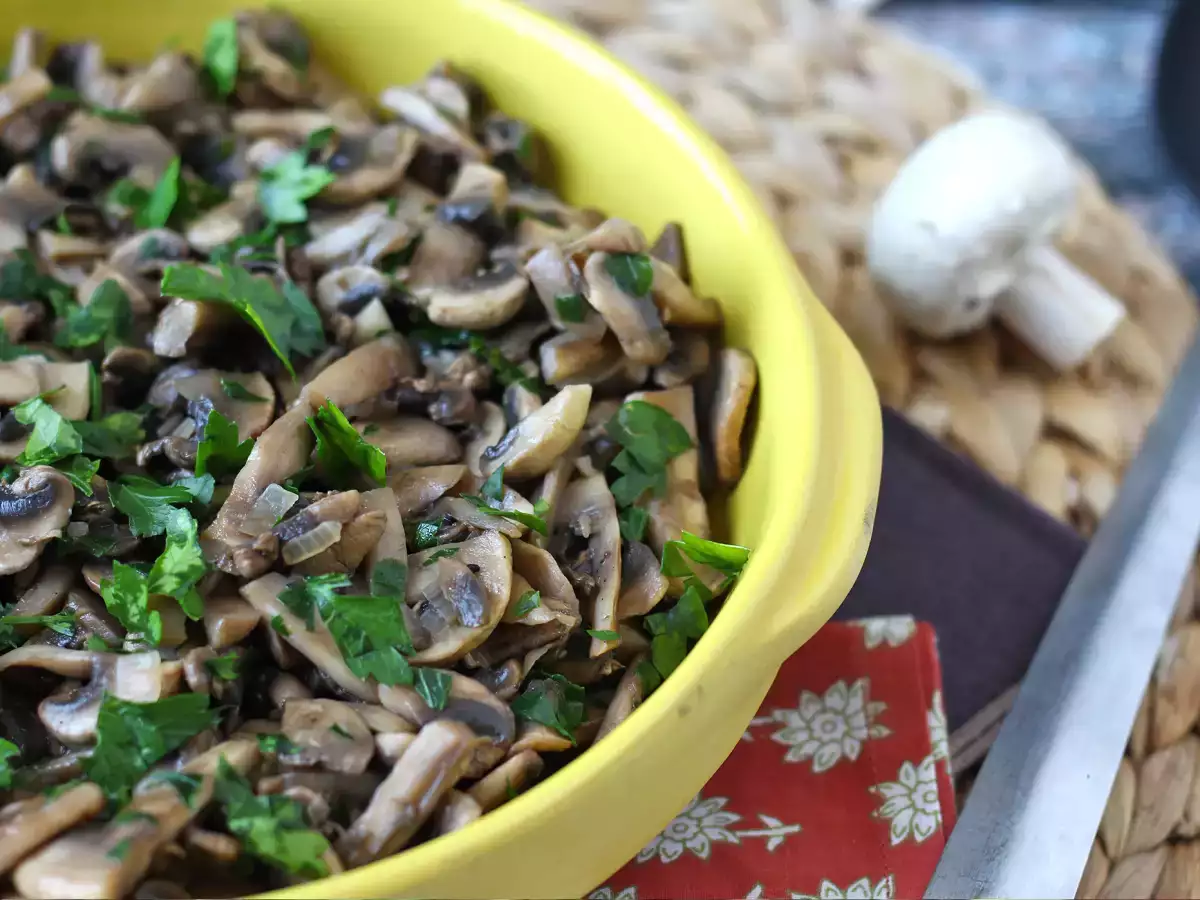
Need a quick , tasty and reliable side dish ? Sautéed mushrooms tick all the boxes! Whether you enjoy them on their own, with eggs, rice or pasta, or as a side with grilled meat, they go with just about anything. A few fresh mushrooms, a hint of...
Variation 2: Stir them into a risotto or a creamy dish
When the mushrooms have browned a bit but still retain a good texture, the risotto is perfect. Cooking makes them melt-in-your-mouth tender, and their color blends naturally into the dish.
It’s a great way to turn a package that’s been forgotten for two or three days into a real dinner, rather than letting it go to waste.
It’s a great way to turn a package that’s been forgotten for two or three days into a real dinner, rather than letting it go to waste.
Extra-creamy mushroom risotto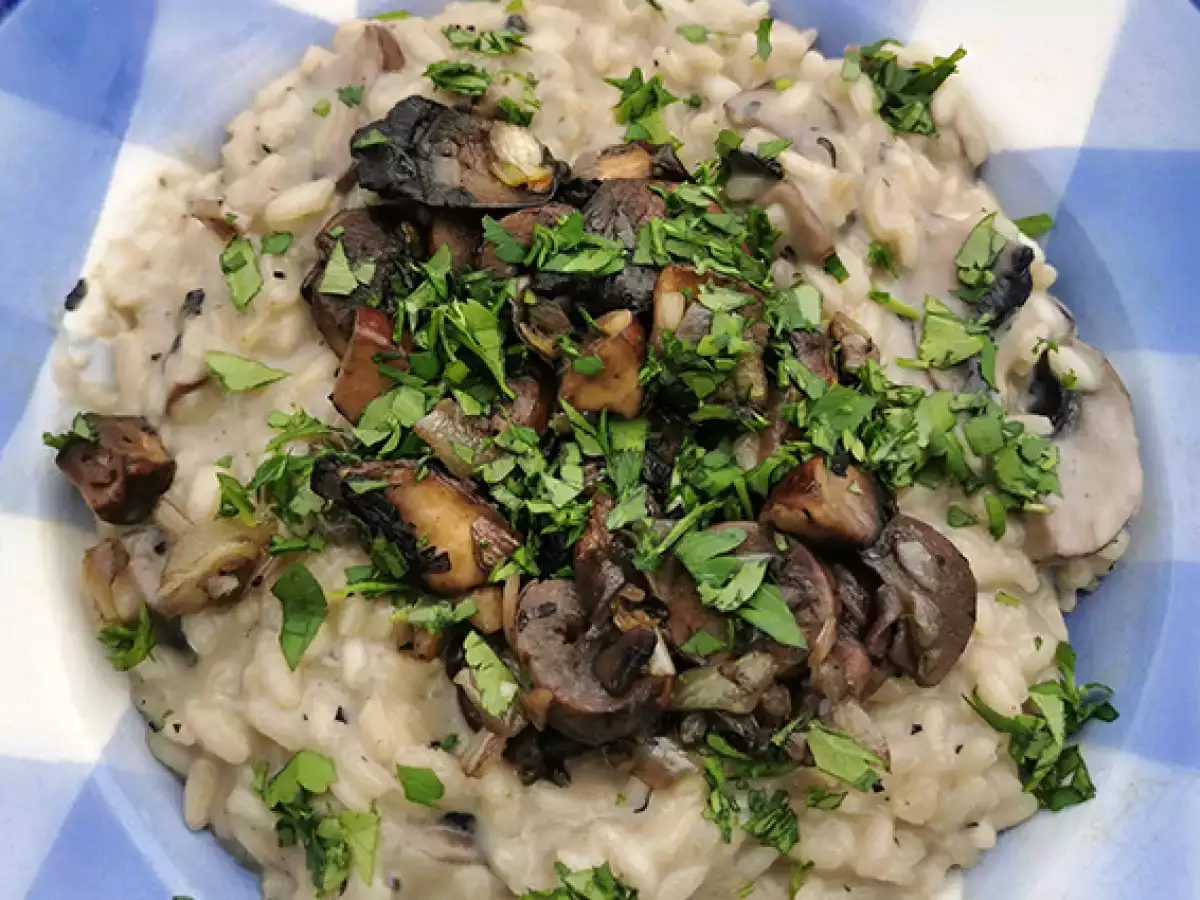
Here I’m sharing a risotto where some of the mushrooms are cooked with the rice, while the rest are sautéed in a pan and added to your plate just before serving. It’s a flavour-packed combination that I love pairing with freshly chopped parsley :-)
Variation 3: Blend them into a creamy soup
If the mushrooms aren’t quite as pretty but are still perfectly safe to eat, a creamy soup is the most reassuring way to reduce food waste. The final texture no longer depends on their perfect appearance.
Cook them with onions, broth, or cream, then blend. It’s ideal when they’re no longer pretty enough for a salad or a visible garnish.
Cook them with onions, broth, or cream, then blend. It’s ideal when they’re no longer pretty enough for a salad or a visible garnish.
Can you freeze button mushrooms?
Yes, but it’s better to freeze them cooked rather than raw. Raw mushrooms contain a lot of water and can become spongy after thawing.
The most convenient way is to slice them thinly, sauté them to evaporate the water, let them cool, and then freeze them in small portions.
Then, they can go straight into a sauce, an omelet, a soup, a stir-fry, or a pasta dish.
The most convenient way is to slice them thinly, sauté them to evaporate the water, let them cool, and then freeze them in small portions.
Then, they can go straight into a sauce, an omelet, a soup, a stir-fry, or a pasta dish.
How to Store Them Better When You Get Home from the Grocery Store
Avoid leaving them sealed in packaging that’s too damp. Mushrooms need a cool environment, but not a damp one.
The easiest way is to keep them in the refrigerator in their original tray if it’s breathable, or in a paper bag or container lined with paper towels, without packing them too tightly.
And above all, don’t forget about them: make a note to cook them right away, just like you would with fresh herbs or a delicate salad.
The easiest way is to keep them in the refrigerator in their original tray if it’s breathable, or in a paper bag or container lined with paper towels, without packing them too tightly.
And above all, don’t forget about them: make a note to cook them right away, just like you would with fresh herbs or a delicate salad.
Key Takeaways
Button mushrooms aren’t meant to sit for a week without being checked. The official guideline is to eat them ideally within four days of purchase.
If they’re a little wrinkled, cook them. If they’ve browned slightly but are still firm and don’t smell bad, cook them right away. If they become slimy, soft, moldy, or smelly, throw them away.
The best way to prevent waste here is to act at the right time: sauté them, make a risotto or cream soup, or freeze them after cooking—before the package’s contents are truly ruined.
If they’re a little wrinkled, cook them. If they’ve browned slightly but are still firm and don’t smell bad, cook them right away. If they become slimy, soft, moldy, or smelly, throw them away.
The best way to prevent waste here is to act at the right time: sauté them, make a risotto or cream soup, or freeze them after cooking—before the package’s contents are truly ruined.
 Adèle Peyches
Editorial manager who just can't wait for winter to enjoy fondue! Passionate about gastronomy and always on the lookout for new culinary gems, I first studied law before returning to my first love: the taste of good products and the joy of sharing around the table :)
Comments