Never eat dry, hard or soggy reheated rice again: how to warm leftovers so they stay moist and soft
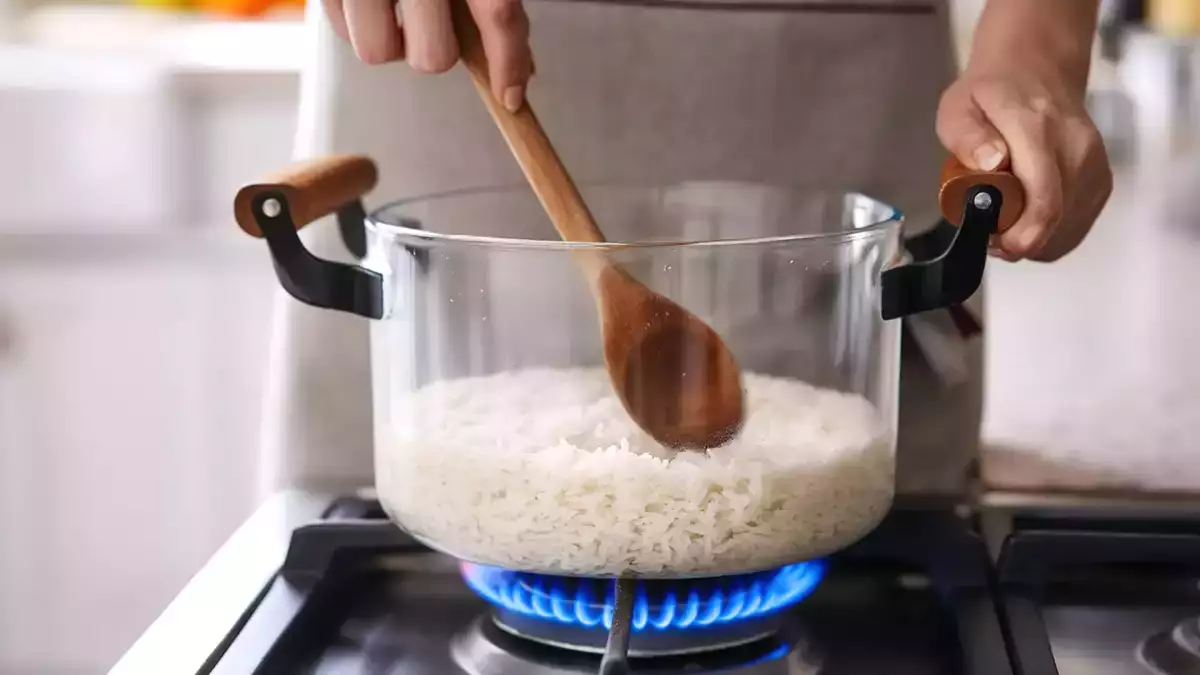
Reheating rice seems like one of those automatic everyday tasks. You take the leftovers, warm them up, and expect them to go back to normal. But in practice, the result is almost never exactly the same. Rice that was once fluffy and tender can come out dry, hard, or with a strange texture.
This happens to many people, no matter how they reheat it. Whether it is on the stove, in the oven, or using another method, the frustration is common because something so simple feels like it should not go wrong. And yet, reheated rice often loses quality.
The reason has nothing to do with a lack of cooking skills. There is an explanation behind this change in texture, and understanding it can completely change the result. Once you know what really happens to rice after it cools, it becomes much easier to bring back its original softness.
Why rice changes texture after cooling?
When rice cools, the starch goes through a natural process that makes it firmer. If you try to heat it again without adding moisture, it loses even more water and becomes dry.
That is why reheating rice is not just about warming it up.
It is about giving back the moisture it has lost.
The simple detail that makes all the difference
Before heating the rice, do this:
Add a small amount of water, about one to two tablespoons depending on how much rice you have. Mix gently or simply drizzle it over the top.
This small step creates steam during reheating, which helps restore the rice’s soft texture.
All the best ways to reheat rice properly
1. In a pot on the stove
Place the rice in a pot, add a little water, and cover with a lid. Warm it over low heat, stirring occasionally so it heats evenly.
This is one of the most effective and accessible methods. The rice usually becomes soft and fluffy again.
2. With steam
If you have a steamer, or if you improvise with a strainer over simmering water, this is one of the best options.
Steam heats the rice gently and evenly, bringing back moisture without drying it out.
3. In the oven
Place the rice in an oven-safe dish, add a little water, and cover with foil. Heat it in a moderate oven until warmed through.
This method is ideal for larger quantities.
4. In the microwave
If you use the microwave, the process also works well when done correctly.
Place the rice in a microwave-safe container, add water, and cover it with a lid or a slightly damp cloth. Heat for one to two minutes.
The secret is still the same: create steam.
5. Sautéing it in a skillet
Another option is to transform the rice while reheating it.
Add a little oil or butter to a skillet, add the rice, and stir. If needed, add a splash of water.
This method is great for giving rice a second life, especially if you want to add seasonings, vegetables, or other ingredients.
The most common mistake when reheating rice
Many people simply put rice directly over heat without adding any water.
Is there a risk in reheating rice?
Yes, but the risk is more about storage than reheating itself.
If cooked rice sits out of the fridge for too long, bacteria can develop.
To avoid problems:
- store rice in the refrigerator within two hours of cooking
- keep it in a tightly closed container
- reheat only the amount you are going to eat
Reheating rice the right way does not require any complicated technique. The main idea is simple: restore moisture.
With a little water and the right method, you can bring back the texture and flavor almost as if the rice had just been made.
And once you try it, it is hard to go back to dry reheated rice again.
 Mirella Mendonça
Comments