Not all mint is the same: discover the 4 most commonly used types and stop making mistakes with your tea and recipe
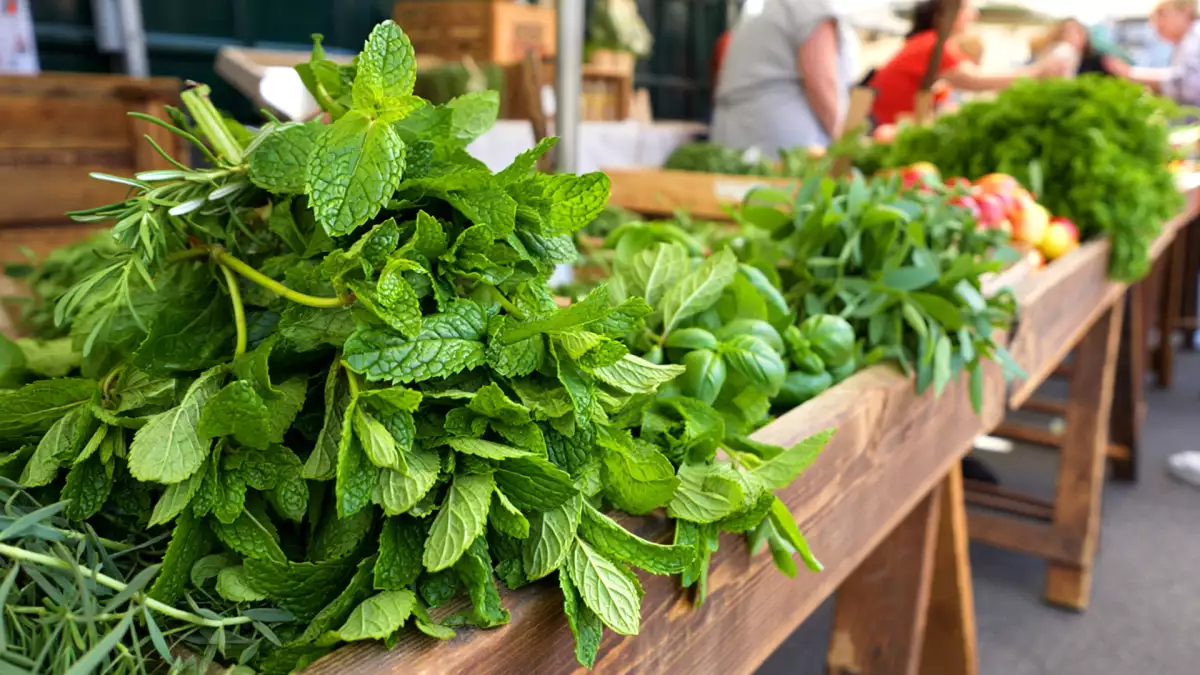
Most people in the U.S. call any little green, fragrant leaf “mint.” But there are actually several different types, each with its own flavor, intensity and best use — from brownies to mojitos, from soothing teas to fresh salads.
1. Spearmint (Mentha spicata): the everyday kitchen mint
This is the “regular” mint you’ll usually find in the herb section at U.S. grocery stores and in backyard gardens.
- Flavor/aroma: mild, fresh, slightly sweet; less “sharp” than peppermint
- Best for:
- iced tea and lemonade
- mojitos and cocktails
- tabbouleh and grain salads
- yogurt sauces, dressings, lamb dishes
- fruit salads and garnishes
- Properties: supports digestion, refreshing, mildly calming
- Fun fact: it’s the mint traditionally used for Moroccan mint tea (and works great for sweet tea, too).
When to use it: anytime you want a soft, fresh mint flavor that doesn’t take over the whole dish.
2. Peppermint (Mentha × piperita): the strong, “medicinal” one
Peppermint is more intense. It’s a natural cross between spearmint and watermint and has that classic cooling kick most people associate with mint candy and cough drops.
- Flavor/aroma: strong, menthol-heavy, slightly spicy
- Best for:
- herbal teas for digestion or nausea
- DIY balms, salves and shower steamers
- “mint hot chocolate” (a tiny bit goes a LONG way)
- Properties: analgesic, antispasmodic, helpful for nausea and indigestion
- Fun fact: many U.S. gums, mints and over-the-counter products use peppermint oil.
When to use it: for therapeutic teas or in recipes that can handle bold, cooling flavor. For everyday cooking, a little is usually enough.
3. Wild mint / cornmint (Mentha arvensis): the ultra-refreshing one
You’re less likely to find this fresh at the supermarket, but it shows up a lot as an essential oil in cooling balms, rubs and aromatherapy products.
- Flavor/aroma: very mentholated, fresh, slightly herbal
- Best for (when you have it fresh):
- iced drinks and infused water
- popsicles and granitas
- homemade syrups for summer cocktails or sodas
- Properties: naturally decongestant, stimulating, energizing
- Fun fact: its smell is very similar to vapor rub products — that “open your sinuses” kind of mint.
When to use it: in small amounts when you want a really “icy” sensation in drinks or desserts, especially on hot days.
4. “Candy” mint (Mentha × villosa & similar): the dessert and toothpaste mint
This is the type of mint most used in candies, ice creams, chocolates, mouthwash and toothpaste. You might not buy the fresh plant often, but you taste it all the time in processed products.
- Flavor/aroma: very mentholated, sweet, penetrating
- Best for:
- ice cream and semifreddos
- chocolate-mint desserts (brownies, cookies, fudge)
- homemade mint extract or syrups
- Properties: refreshing, stimulating, antiseptic
- Fun fact: in high concentration it can slightly numb your tongue; which is why a drop or two of extract is enough in baking.
When to use it: in sweet recipes that call for a big minty punch, or for making your own mint extract to flavor desserts.
How to tell them apart at home
- By smell:
- Spearmint: softer, “green” and sweet
- Peppermint / wild mint / candy mint: sharper, more menthol, very “cooling”
- Spearmint: softer, “green” and sweet
- By leaves:
- Spearmint: larger, lighter green, with softer serrated edges
- Peppermint and wild mint: usually darker, smaller leaves, sometimes slightly purplish stems
- Spearmint: larger, lighter green, with softer serrated edges
- By touch:
- Rubbing peppermint or candy-mint leaves between your fingers can leave a slight cooling, tingling sensation from the menthol oils.
Choosing the right mint changes the flavor (and the effect)
Reaching for “whatever mint you have” works… but using the right type makes a huge difference in both taste and effect:
- A mild spearmint will keep a salad or lemonade fresh without overpowering it.
- A stronger peppermint or wild mint will make a digestion tea, a chest rub or a cooling drink way more effective.
- A candy-style mint is what gives chocolate desserts and ice creams that unmistakable “mint chip” vibe.
Now that you know the main types you’ll run into in the U.S., you can start playing: swap mints in your next tea, try a different one in your mojito, or use a gentler variety in that salad you always found “too minty”. Those “all the same” green leaves might surprise you a lot more than you think.
 Mirella Mendonça
Comments