One easy trick to stop cold pasta in your lunchbox from clumping : keep it fresh and separate
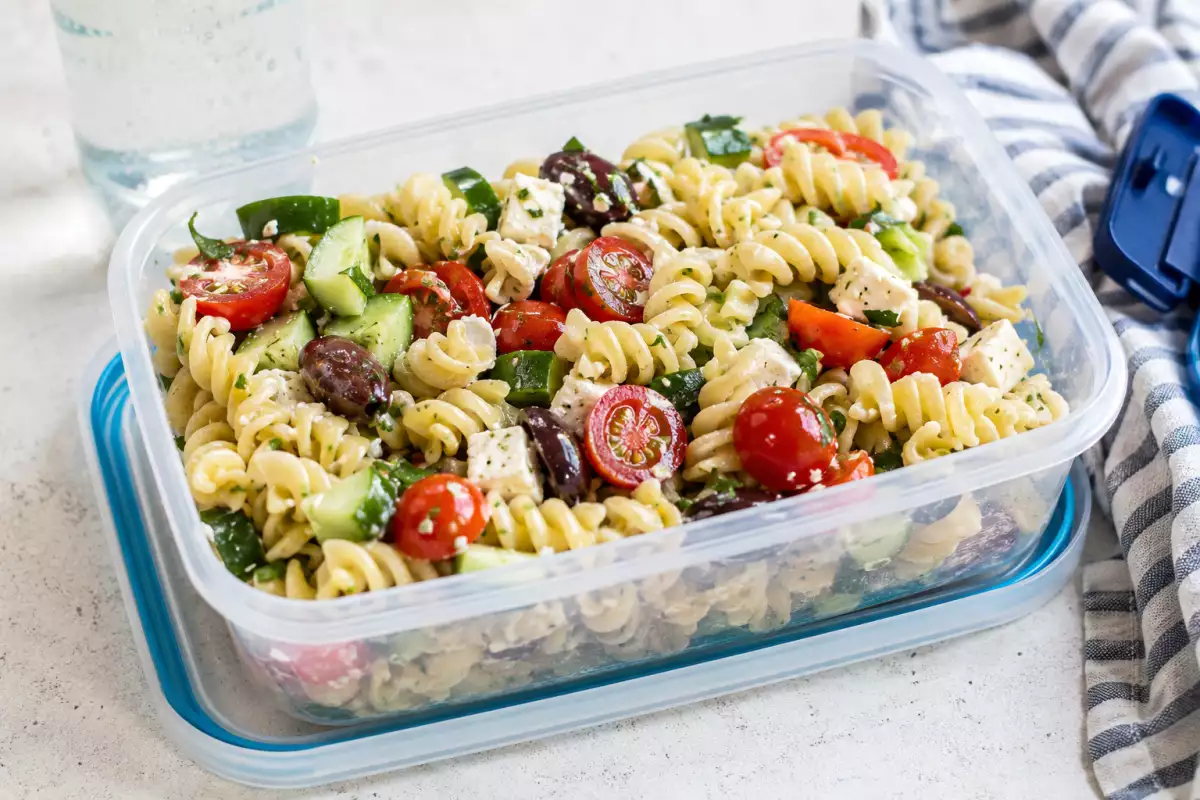
But there’s a little problem that many of us are familiar with. In the morning, your salad looks perfect. The pasta is nicely separated, the toppings look great, and the sauce smells delicious. And at lunchtime, when you open the container… surprise: the pasta has turned into a big, compact lump. It’s all stuck together, the sauce isn’t evenly distributed, and you almost have to cut it apart with a fork. Not very appetizing, we agree...
The mistake that turns pasta into a clump
The right approach: cook the pasta al dente, or even slightly firm. The pasta will continue to soften a bit as it cools and sits with the toppings. If it’s already too soft when you drain it, it risks becoming mushy a few hours later.
Another common mistake: draining the pasta, leaving it piled up in the colander, and then going on to do other things. Meanwhile, the starch dries on the surface, the pasta sticks together, and a clump begins to form. For a delicious pasta salad at lunchtime, you need to act immediately after cooking.
A simple tip: rinse, drain, and drizzle with oil
Next, don’t let it sit in the water. Drain it very thoroughly, shake the colander, then let it sit for a few minutes to remove excess water. Pasta that’s too wet dilutes the sauce and makes the salad less flavorful.
Final step: Add a light drizzle of olive oil or a spoonful of fairly runny sauce, then toss immediately. The goal isn’t to drown the pasta, but to lightly coat it to prevent the strands from sticking together. This simple step makes all the difference between a dreary lunchbox and a truly well-separated pasta salad.
Choosing the right pasta for your lunchbox
Long pasta, such as spaghetti or tagliatelle, can also be used, but it tends to get tangled and clump together more quickly. If you really want to use them cold, add a little extra seasoning and mix well before closing the container.
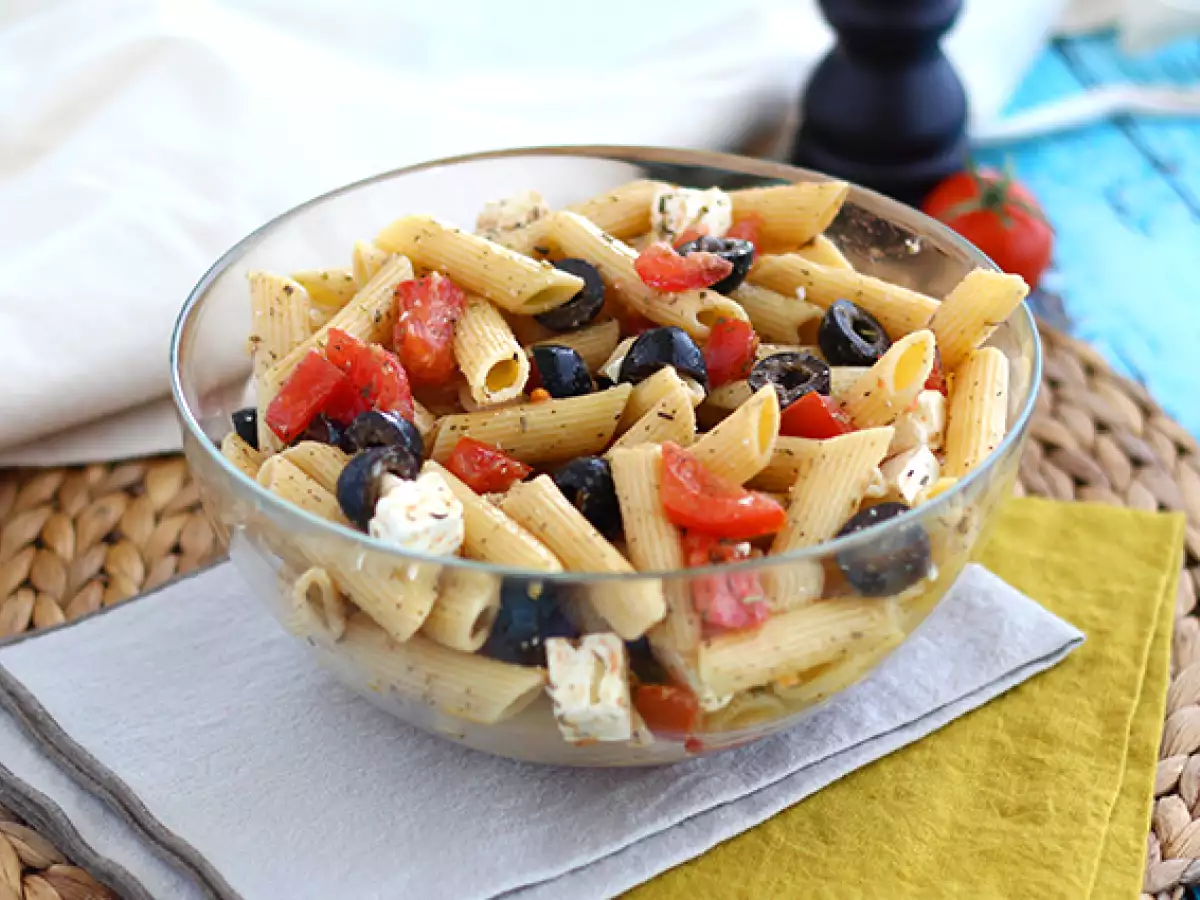
For an ultra-easy, waste-conscious recipe, try our homemade pasta salad! Perfect for picnics or packed in a Tupperware container for a lunch break at work, it will give your leftover pasta a new lease on life! Vary the ingredients according to the...
Bonus tip: Slightly ridged pasta holds the sauce better. It prevents all the dressing from sinking to the bottom of the lunchbox during transport.
Be careful with the sauce: is it ready too soon, too thick, or too runny?
Here’s a good tip: prepare a well-balanced sauce with a little oil, a touch of acidity, and ingredients that blend well together. A lemony vinaigrette, a pesto sauce thinned with a little olive oil, or a yogurt-based sauce that isn’t too thick work very well.
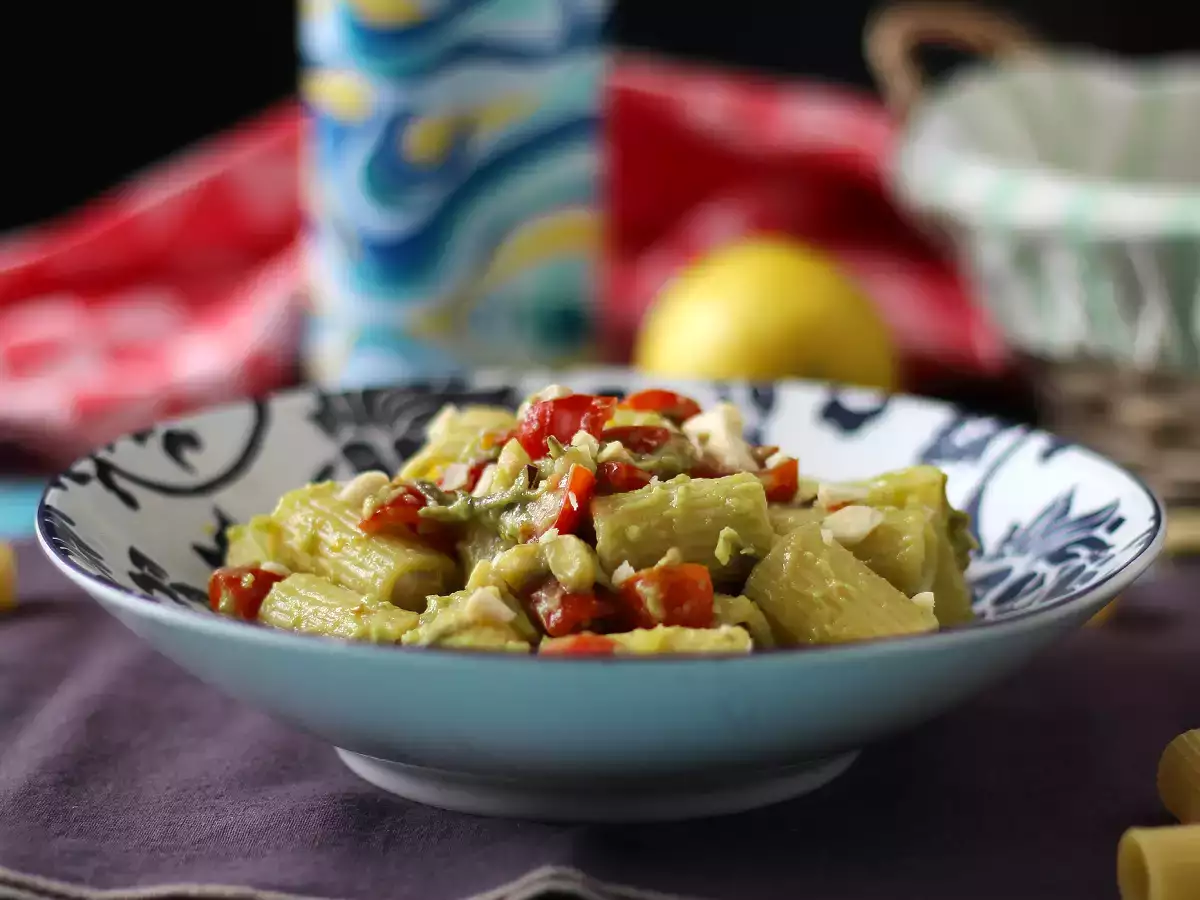
A new creamy cold pasta dish is ready to brighten your warm summer days. This time, we made it with avocado cream, almonds and cherry tomatoes . It’s a great recipe for this season: it’s very quick to make, and you can prepare the dressing...
For even better results, set aside a small portion of the sauce and add it just before eating. This isn’t necessary, but it’s perfect if your lunchbox has to sit in the fridge for several hours.
The filling matters, too
The best approach is to drain any juicy ingredients. Cut cherry tomatoes in half, but avoid adding too much juice. Drain the tuna, olives, jarred vegetables, or mozzarella. If you’re using cucumber, pat it dry quickly before adding it.
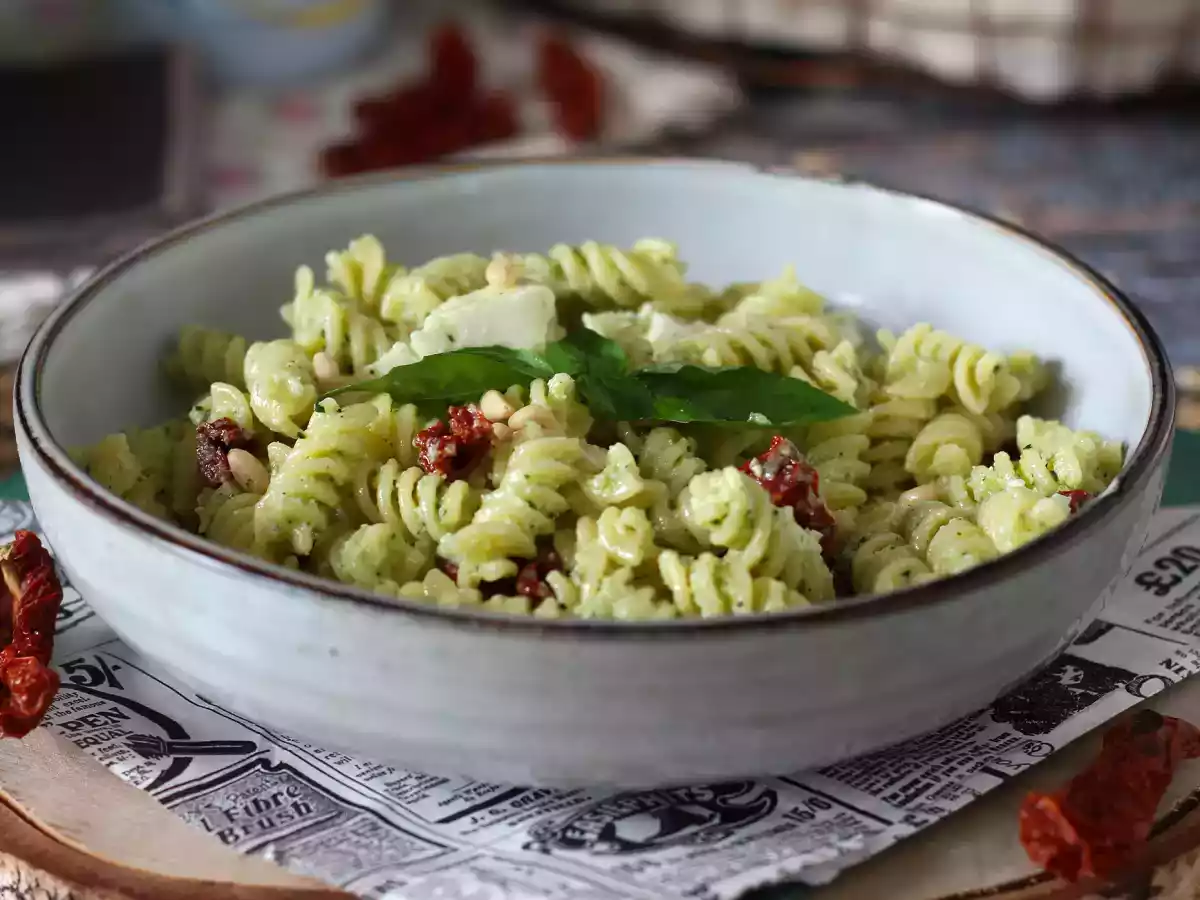
An interesting combination that makes for a delicious cold dish. Our creamy pasta salad with zucchini pesto, buffalo mozzarella (though regular cow’s-milk mozzarella works too) and sun-dried tomatoes is a balanced summer main course that’s easy to...
Also add an ingredient that adds texture: fresh herbs, seeds, nuts, diced cheese, chickpeas, cold chicken, or roasted vegetables. That way, even if the pasta clumps together a bit as it sits, the salad will still be enjoyable to eat.
Can you make pasta salad the day before?
For the sauce, there are two options. Either season it lightly the night before, then add a little more the next day. Or keep all the sauce in a separate small container. The second option is often best if you want a truly fresh texture at lunchtime.
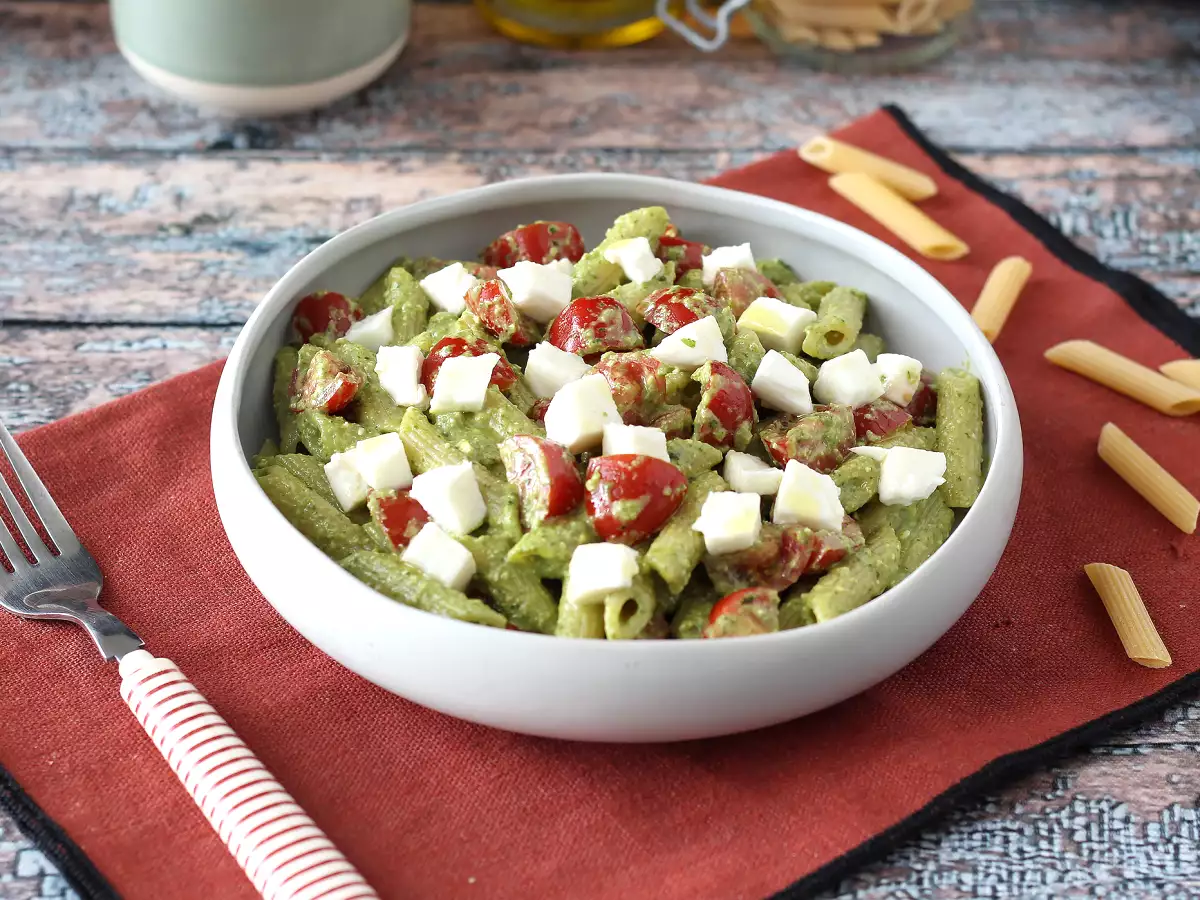
The first time I tried this cold pasta with arugula pesto, cherry tomatoes and mozzarella was during an impromptu lunch on the terrace with friends in the middle of summer. Just a few ingredients , no desire to cook and a craving for something...
When closing the lunchbox, don’t pack it too tightly. The more the pasta is compressed, the more likely it is to stick together. A box that’s wide enough also helps keep the salad lighter and fluffier.
The detail that makes the lunchbox stand out
Then add a well-drained topping, a sauce that isn’t too thick, and avoid packing the box too tightly. If the lunchbox will be sitting for a long time, set aside a little sauce to restore the pasta’s softness at the last minute.
With these simple steps, say goodbye to that big clump of pasta at lunchtime! You’ll end up with a fresh, well-seasoned salad that’s easy to mix… and, above all, much more enjoyable to eat between appointments, in class, or at the office.
 Adèle Peyches
Comments