One simple trick gardeners use to keep tomatoes from ripening too soon and get more time to pick
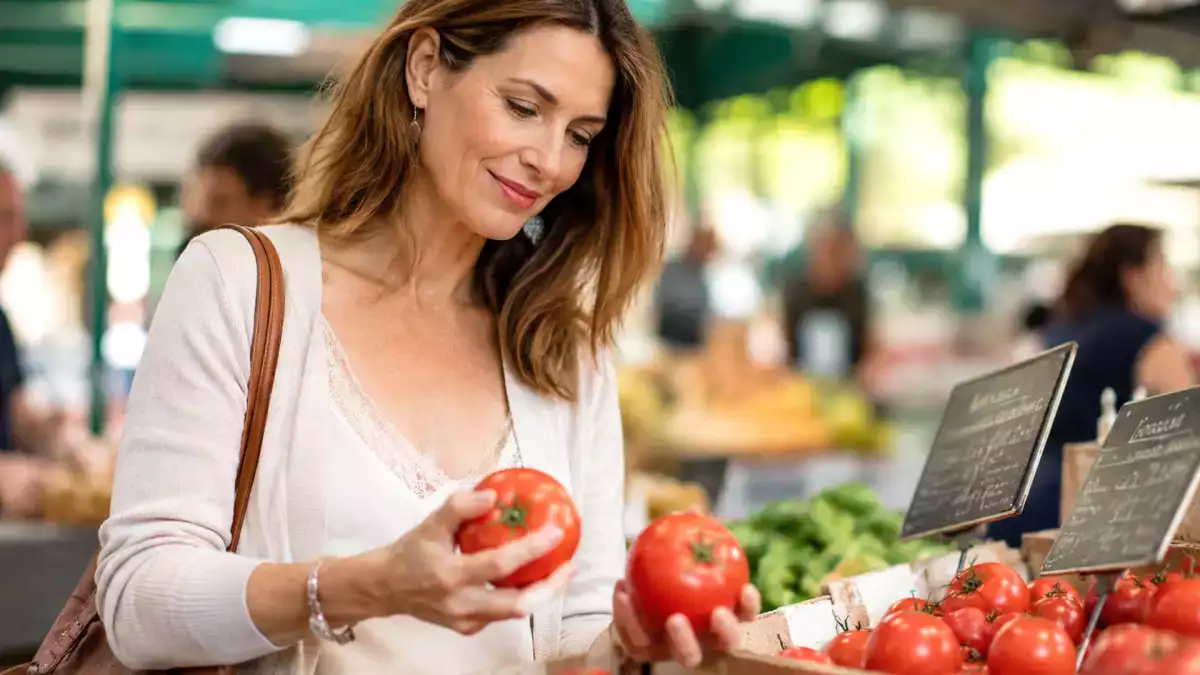
Some tomatoes seem to go bad almost overnight. You buy them firm, leave them in the kitchen thinking about a salad, gazpacho, or toast, and when you go to use them, one is already soft, wrinkled, or too ripe.
It is easy to blame the heat, the condition they were in at the grocery store, or plain bad luck. But very often, the problem is not the tomato itself. It is where you put it when you got home or more specifically, what you put it next to.
If you want your tomatoes to avoid ripening too quickly, or all at the same time, there are a few simple habits worth adopting as soon as you unpack your groceries.
Why do some tomatoes ripen so quickly?
Tomatoes continue to ripen after they are picked. They are what is known as climacteric fruit, which means that even after being removed from the plant, they continue to “breathe” and move through the ripening process.
That is why a firm tomato can soften in just a few days, develop more aroma, change texture, or become overripe if it is not used in time.
Ethylene plays a major role in this process. It is a natural gas produced by many fruits as they ripen, including bananas, apples, pears, avocados, and tomatoes themselves.
When tomatoes are stored next to already-ripe fruits, such as bananas, apples, pears, or avocados, they are exposed to more ethylene than they would be on their own. This does not ruin them instantly, but it can make them ripen faster.
Something similar happens if one tomato in the group is much riper than the others. That is why it is smart to separate it, not only so you use it first, but also so the rest do not ripen at the same pace.
That is the familiar scene: you buy several tomatoes in good condition, and a few days later, suddenly they all need to be used at once.
So the key is not storing every tomato the same way. It is sorting them by ripeness.
What to do first when you get home
Before storing tomatoes, take a quick look at them. It does not have to take more than a minute, but that minute can make a big difference.
The ripest tomatoes should stay visible so you remember to use them first. The firmer ones can be kept separately at room temperature. And if one is bruised, split, or very soft, it is best to separate it from the rest right away.
This simple sorting prevents all the tomatoes from ripening at the same speed. It also makes cooking easier: the riper tomatoes can go into a sauce, gazpacho, salsa, or toast, while the firmer ones can wait a little longer for salads.
The goal is not to make tomatoes last forever. It is simply to avoid accidentally speeding up a process that is already happening.
Where to store tomatoes so they last longer
If your tomatoes are still firm or not very flavorful yet, the best place for them is at room temperature, in a cool, dry spot away from direct sunlight.
The countertop can work, as long as it is not next to a sunny window, near the oven, or in a very warm part of the kitchen. A cooler corner of the kitchen or pantry is even better.
The fruit bowl may seem like the obvious place, but it is not always helpful. That is often where tomatoes end up next to ripe bananas, apples, pears, or avocados, which produce ethylene and can speed up ripening.
Since tomatoes also produce ethylene as they ripen, it is a good idea to keep the already-soft ones away from the firmer ones.
What about the fridge?
The refrigerator slows ripening, but it should not always be your first choice.
If a tomato is still hard, slightly green, or lacking aroma, cold temperatures can make it taste flatter and affect its texture.
However, once a tomato is fully ripe and you are not going to eat it right away, the fridge can help keep it from going over the edge too quickly. Ideally, store it there for only a few days and take it out a little before serving so it can come back closer to room temperature.
If the tomato is already cut, there is no question: it should go in the fridge, well covered or in a sealed container, and be eaten soon.
Other habits that help tomatoes last longer
Do not pile them up if you can avoid it.
When tomatoes sit on top of one another, they get pressed, bruised, and soften faster. It also makes it easier for one damaged tomato to stay hidden and affect the rest.
The most practical option is to place them on a tray, wide plate, or shallow box in a single layer whenever possible.
You also should not wash tomatoes before storing them. Moisture on the skin can speed up spoilage, especially if water collects around the stem area or between tomatoes. It is better to wash them right before using them.
If the tomato has lost its stem, you can place it stem-side down. It will not work miracles, but it may help reduce moisture loss through the small scar where the stem was attached.
The easy rule to remember
Next time you buy tomatoes, keep this simple routine in mind: separate the ripe ones from the firm ones, do not store them next to bananas or apples, do not wash them until you are ready to use them, and use the fridge only when they are already ripe or cut.
Tomatoes will not last forever, because they continue ripening at home. But with one simple habit (sorting them properly from the start) it becomes much easier to bring them to the table in good condition, with better texture, and at just the right moment.
 Patricia González
Comments