Spot ripe, juicy peaches every time: simple tips to pick sweet fruit and skip hard, mealy ones
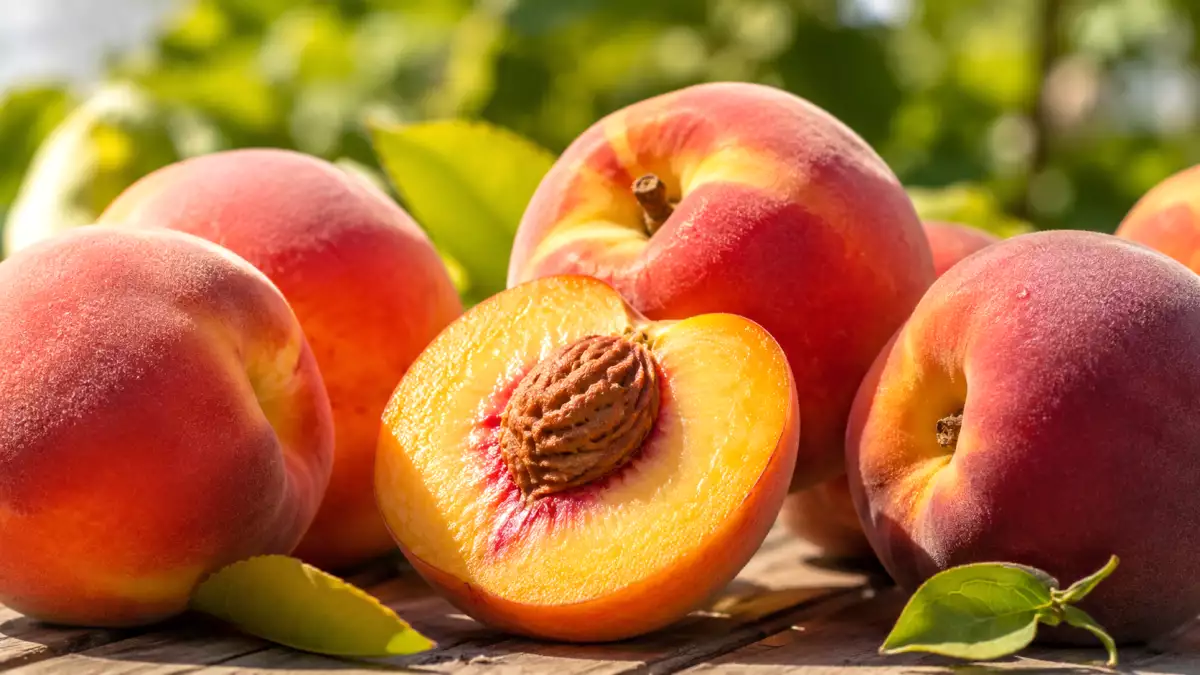
Peaches are one of the fruits most closely associated with summer.They have a lovely scent, a beautiful color, juicy flesh, and that sweet flavor that seems refreshing just to look at. But anyone who buys peaches at the market knows that appearances don’t always tell the whole story.
Sometimes, a peach looks beautiful on the outside, but when you get it home, it’s hard, tasteless, or has that mealy texture that ruins everything. Other times, it looks overripe and is already soft, bruised, or past its prime.
The good news is that you can greatly reduce the risk of making a mistake. To choose sweet peaches, it’s not enough to just look at the red color of the skin. You need to pay attention to the smell, firmness, weight, texture, and signs of freshness.
The color red fools a lot of people
One of the most common mistakes is choosing the reddest peach at the market, thinking it will be the sweetest. The reddish color makes the fruit look beautiful and catches the eye, but it doesn’t always indicate ripeness.
In many peaches, the redness of the skin depends on the variety and sun exposure. This means that a very attractive peach may still be hard on the inside.
The most important thing to look for is the background color—the part that shows through beneath the red. If the background is greenish, it’s a sign that the peach is probably still unripe. If it’s yellow, cream-colored, or golden, it’s likely closer to the ideal ripeness.
So don’t choose based on the red alone. Look for peaches with a warm, vibrant color and no obvious green hues.
Smell is one of the best indicators
A ripe peach usually has a sweet, pleasant aroma. It doesn't need to have a very strong smell, but it should have that delicate scent of fresh fruit.
If the peach has no smell at all, it may still be unripe or lack flavor. If the smell is fermented, sour, or alcoholic, it’s a sign that the fruit may be overripe.
At the market, carefully bring the peach close to your nose. If you smell a sweet, fresh, and natural aroma, that’s a good sign.
The smell isn’t an absolute guarantee—since some varieties are less fragrant—but it’s a big help when choosing.
Tighten carefully: firmly, but not too tight
Texture is key. The ideal peach should give slightly when pressed gently, especially near the stem.
But be careful: don’t squeeze too hard. Peaches are delicate fruits and bruise easily. Just hold it gently and see if the fruit has a slight give.
If it’s hard as a rock, it’s probably not ready to eat yet. It may even ripen at home, but it won’t be the best choice for immediate consumption.
If it’s too soft, with sunken spots or wrinkled skin, it may already be overripe.
The ideal texture is this: firm, but with a slight give when pressed.
Weight matters, too
A good peach usually feels heavy for its size. This indicates that it has more juice and a better texture.
When the fruit feels too light, it may be dry, mealy, or lacking in juiciness. This is a simple but very useful tip.
Compare two peaches of similar size. Choose the one that feels heavier in your hand. Generally, it’s more likely to be juicy.
How to Avoid Mealy Peaches
A mealy peach is one of the biggest disappointments of the summer. On the outside, it looks good, but on the inside, it has a dry, grainy, and bland texture.
To avoid this problem, steer clear of peaches that are very light, wrinkled, odorless, or have a dull appearance. They may have lost moisture and quality.
It’s also best to avoid fruit that has been on display for too long, especially if it’s soft on the outside and lacks a pleasant aroma.
A good peach should look fresh, plump, aromatic, and have smooth skin. If the fruit looks tired, it will likely taste that way, too.
Smooth, blemish-free skin
Take a close look at the skin. Small natural marks may be present, but cuts, cracks, dark spots, and bruised areas are red flags.
Bruised peaches spoil faster. Plus, a bruised spot can affect the texture of the entire fruit.
If you’re buying a tray, check the bottom and sides. Often, the peaches on top look good, but the ones on the bottom are bruised.
Avoid packages with accumulated liquid, fruit that’s too soft, or signs of mold.
The stalk may provide clues
The stem area also deserves attention. If the area around it is very green, the peach may have been picked too early.
If this area has a warmer, yellowish or cream-colored hue, and the fruit has a pleasant aroma, that’s a better sign.
It’s also worth checking for cracks or sunken spots near the stem. This area often reveals whether the fruit is overripe or damaged.
Will a hard peach ripen at home?
Yes, but with some limitations.
If the peach is just firm, it can ripen at home in a few days. In that case, leave it out of the refrigerator at room temperature, preferably without pressing it against other fruits.
But if it’s very green, hard, and has no aroma at all, it may soften over time, but it won’t always become sweet. Fruit picked too early can lose its texture without developing good flavor.
Ideally, buy peaches at different stages of ripeness: some riper ones to eat right away and others firmer ones for the following days.
Don’t put them in the fridge right away
If the peach is still firm, avoid putting it in the refrigerator right away. The cold can slow down the ripening process and affect the texture.
Let them ripen at room temperature until they’re slightly soft and fragrant. After that, you can put them in the fridge to make them last a little longer.
But don’t wait too long. Ripe peaches are delicate and quickly become overripe.
How to Choose Peaches: For Eating the Same Day and Throughout the Week
To eat the same day
If you want to eat them the same day, choose peaches that are fragrant, slightly soft, and have a yellow or cream-colored base.
Avoid hard, greenish, or odorless peaches. They probably need more time to ripen.
Also, don’t choose fruit that’s too soft, has spots, or has sunken areas. It may be overripe.
The ideal peach to eat the same day should be aromatic, firm yet soft to the touch, with smooth skin and a fresh appearance.
For eating during the week
If you’re buying peaches to last several days, mix different stages of ripeness.
Get a few riper peaches to eat first and some firmer ones to let ripen at home.
Store the firm ones outside the refrigerator until they’re ripe. Then, put them in the fridge to keep them fresh longer.
Don’t stack too many peaches on top of each other, because they bruise easily.
The most common mistake in the market
The most common mistake is choosing peaches based solely on their appearance. Very red, perfectly shaped peaches may seem irresistible, but that doesn’t guarantee flavor.
The best peach isn’t necessarily the prettiest one. It’s the one that has all the right signs: aroma, weight, slight softness, a warm underlying color, and a skin free of bruises.
When in doubt, trust the smell and firmness more than the redness of the skin.
So how do you choose sweet peaches?
To make the best choice, look for peaches with:
- a sweet, fresh aroma;
- a yellow, cream, or golden base color;
- a firm texture, but with a slight give;
- a good weight for their size;
- smooth skin, without cuts or dark spots;
- no soft or sunken spots;
- fresh appearance, without wrinkles.
Avoid peaches that are too hard, greenish, odorless, too light, bruised, or excessively soft.
The Best Choice
The best peach is one that looks fresh, plump, and fragrant. The skin may catch your eye, but the real secret lies in the overall package: a sweet aroma, good weight, balanced firmness, and a warm base color.
If it’s too hard, it’s probably not ripe yet. If it’s too soft, it may already be past its prime. And if it’s light, dull, and odorless, there’s a good chance it will be dry or mealy.
On your next trip to the market, don’t just pick the prettiest peach. Choose the one that smells good, feels heavy in your hand, and gives just a little when pressed. That’s how you increase your chances of taking home sweet, juicy fruit with the true taste of summer.
 Mirella Mendonça
Comments