How to pick sweet cherries at the market: simple signs to spot ripe fruit and avoid watery buys
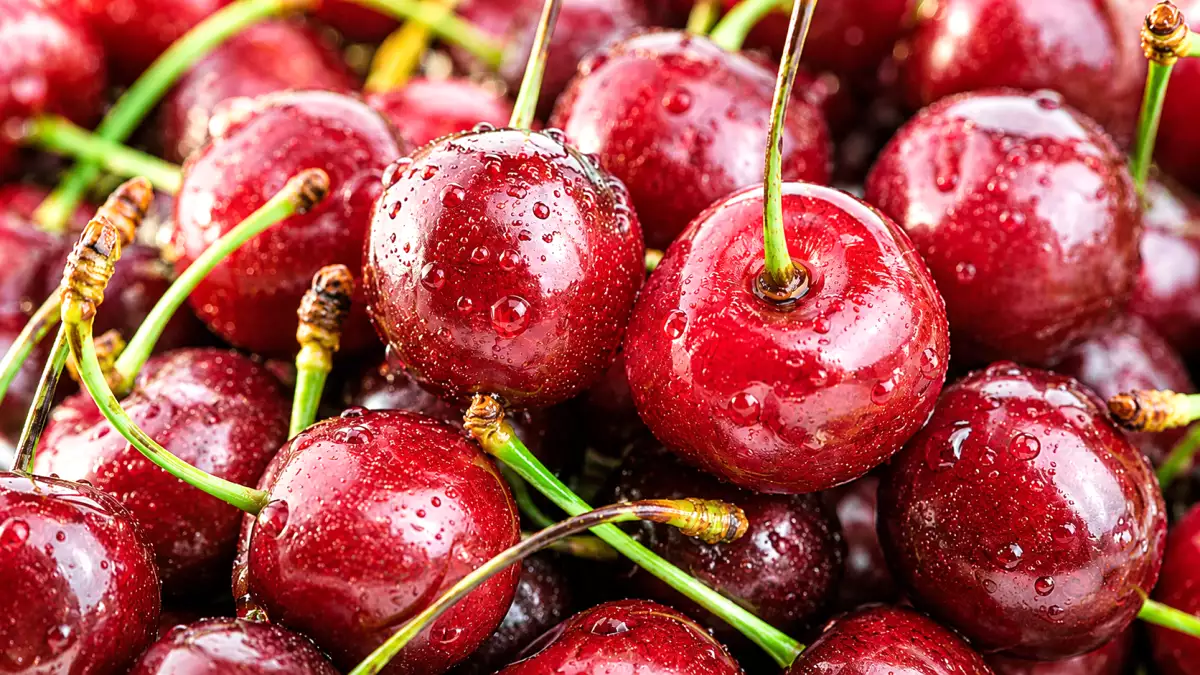
Cherries are one of the most eagerly awaited fruits of early summer. Small, shiny, and with that eye-catching red color at the market, they always seem like a good buy. The problem is that not all of them deliver on their flavor promise.
Sometimes, a cherry looks beautiful on the outside, but when you get home, it’s bland, mushy, watery, or too tart. And since you usually can’t taste them before buying, many people end up choosing them based solely on appearance—and that’s where the mistake lies.
The good news is that there are simple signs that can help you identify sweeter, fresher, and juicier cherries before you put the box in your cart.
Color is important, but it's not everything
The first thing almost everyone looks at is the color. And it makes sense: darker cherries usually give the impression of being riper and sweeter.
In general, cherries with a deep red or dark red hue tend to be riper than very light-colored ones. But that doesn’t mean every dark cherry will automatically be sweet, nor that every lighter-colored cherry will be bad. Some varieties are naturally lighter in color and can still be delicious.
The key is to look at the color along with other signs: shine, firmness, the stem, and the appearance of the skin.
If the cherry is red, shiny, and firm, that’s a good sign. If it’s dull, soft, wrinkled, or spotted, it’s best to avoid it.
Choose shiny cherries
A fresh cherry usually has smooth, shiny skin. This natural sheen is one of the easiest signs to spot at the market.
When the fruit starts to look dull, lifeless, or shriveled, it may indicate that it has lost its freshness. This doesn’t necessarily mean it’s spoiled, but it increases the likelihood that the texture will be poorer and the flavor weaker.
When selecting cherries, look for ones that look vibrant, have intact skin, and a uniform sheen. They should look fresh, firm, and appetizing.
The stalk yields a lot
Many people overlook the stem, but it’s one of the best indicators of freshness.
Whenever possible, choose cherries with green stems that are firm and firmly attached to the fruit. This usually indicates that they were picked more recently and are still of better quality.
Dry, brown, brittle, or missing stems may indicate that the cherries have been exposed for a longer period of time. The fruit may still be good, but it tends to lose its freshness more quickly.
If you find a box of cherries with vibrant color and green stems, it’s worth taking a closer look: it could be a good choice.
The cherry should be firm—neither hard nor soft.
Texture matters, too. The ideal cherry should be firm to the touch, but not rock-hard.
If it’s too soft, with sunken spots or a wrinkled appearance, it may already be overripe. This type of cherry usually has a less pleasant texture and may taste watery.
On the other hand, if it’s too hard and pale, it may not have fully developed its expected flavor yet.
The ideal cherry is firm, meaty, with taut skin, and no signs of softening.
Avoid cherries that are cracked or bruised
Cherries are delicate fruits. Therefore, any crack, cut, bruise, or blemish warrants attention.
Cracked fruits tend to spoil faster and can lose their juice, texture, and flavor. It’s also common for a bruised cherry to accelerate the spoilage of the others in the same package.
Before buying a box, don’t just look at the cherries on top. Try to check the sides and bottom of the package. If there are many bruised fruits, accumulated liquid, or signs of mold, it’s best to choose another one.
Be careful with packaging that's too tightly sealed
Transparent containers help, but they can also be misleading. Sometimes, the top looks nice, but the bottom hides cherries that are soft, crushed, or too moist.
Whenever possible, tilt the package slightly and check for liquid at the bottom. If there’s a lot of juice pooled there, it could be a sign of bruised fruit or fruit that’s already starting to spoil.
It’s also worth checking for cherries that are stuck together, dark spots, or signs of mold. Even a small area of mold can quickly spoil the rest of the fruit.
Are very large cherries always better?
Not necessarily.
Large cherries are usually appealing and can be very juicy, but size isn’t an absolute guarantee of sweetness. A smaller, firm, shiny, and fully ripe cherry can be tastier than a large one that’s lackluster.
If you have to choose, prioritize the overall package: beautiful color, shine, firmness, a green stem, and no bruises. Size is a bonus, not the main criterion.
Does the smell help?
Unlike fruits such as cantaloupe, peaches, or mangoes, cherries don’t usually have a very noticeable aroma. Therefore, the smell is of little help when choosing them.
If there’s a fermented, sour, or strange smell, that’s a bad sign. But the absence of a strong smell doesn’t mean the cherry is bad. In that case, visual cues and texture are more reliable.
How to Avoid Watery Cherries
Watery cherries are often disappointing because they look nice but lack flavor intensity. To minimize this risk, avoid fruit that is very pale, soft, dull, or looks swollen and lacks firmness.
It’s also best to avoid packages with excess moisture, cracked cherries, or liquid at the bottom. The fruit should look fresh, firm, and naturally juicy—not soggy.
Another tip is to buy cherries when they’re in season. At the height of the season, you’re more likely to find tastier fruit. In Portugal, cherries are at their best in late spring and early summer, especially between May, June, and July, depending on the region and the conditions that year.
After purchasing, do not wash before storing
A common mistake is to come home and wash all the cherries before putting them in the refrigerator. This may seem convenient, but it’s not ideal.
Moisture speeds up spoilage. So, wash the cherries only when you’re ready to eat them.
Store them in the refrigerator, preferably in a clean, dry container with some ventilation. If there are any bruised cherries, remove them before storing, because they can cause the others to spoil more quickly.
A simple trick before eating
Before serving, rinse the cherries under cold water and pat them dry gently. This helps maintain their pleasant texture and prevents excess moisture in the fruit.
If you want to enhance the sensation of freshness, let them sit in the refrigerator for a few minutes before eating. Fresh, cold cherries are especially good on hot days.
Summary: How to Choose Sweet Cherries at the Market
To make the best choice, look for cherries with:
- a deep red or dark red color;
- shiny, smooth skin;
- a firm texture, with no soft spots;
- green, firmly attached stems;
- skin free of cracks, spots, or bruises;
- packaging with no liquid pooled at the bottom;
- no mold or fermented odor.
Avoid cherries that are dull, wrinkled, very soft, cracked, or have stems that are too dry.
The best choice
The best cherries are the ones that look alive: shiny, firm, plump, and with fresh stems. Color helps, but it’s not the whole story. The real secret is to look at the whole picture.
When in doubt, choose the box with the firmest, cleanest cherries—no liquid at the bottom and with green stems. This greatly increases your chances of taking home sweet, juicy fruit that tastes like summer—rather than a pretty but watery box.
 Mirella Mendonça
Comments