Packing salad in an airtight box? Use the two-part dressing trick before it goes soggy
Friday 25 September 2026 21:00 - Patricia González
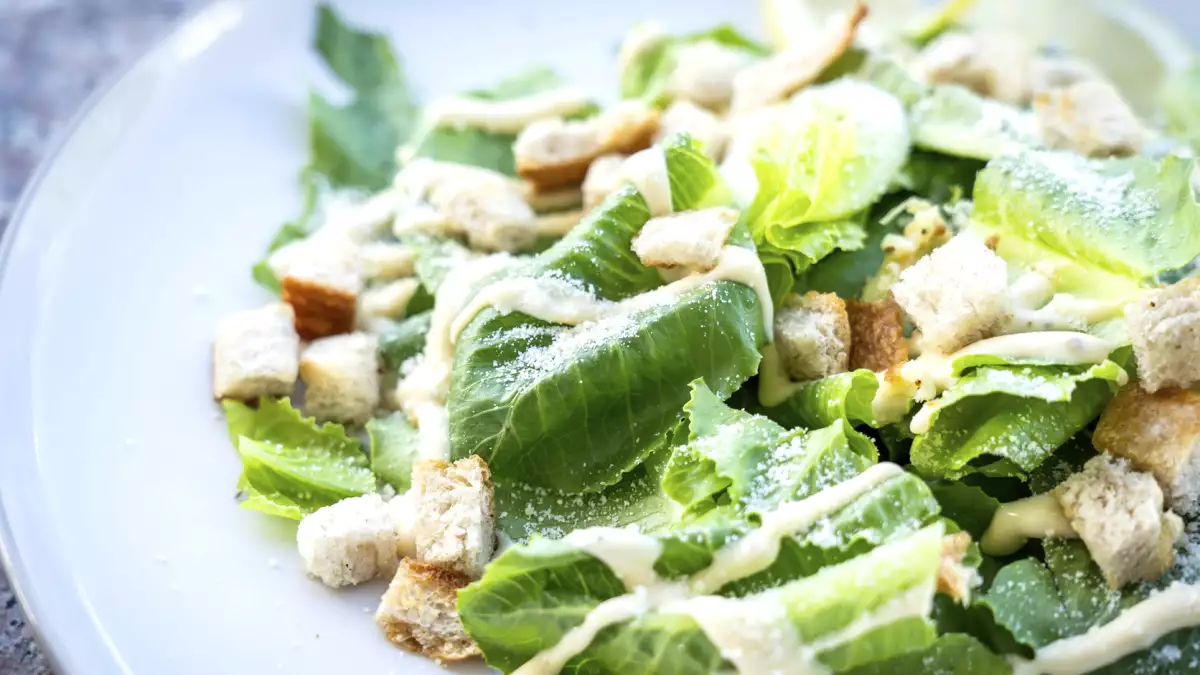
The useful trick is a two-part dressing. It does not mean adding more dressing. It means dividing the dressing between two moments: first, a small amount for the ingredients that can handle a few hours of rest, and second, a fresh finishing dressing for the leaves and crunchy toppings right before eating.
This method works because not every ingredient behaves the same way in a sealed container. Legumes, grains, cooked potatoes, cabbage, carrots and roasted vegetables can absorb flavor and often improve while resting. Tender leaves, nuts, croutons, seeds and very watery ingredients need more protection if you want the salad to taste fresh later.
Why packed salads lose their texture
A salad can change during the trip to work, a few hours in the fridge or a ride inside a bag. Some ingredients release water over time, especially tomatoes, cucumber and ripe fruit. Others absorb dressing and become softer.
Leaves have another problem: their firmness depends on the water held inside their cells. If they are wet, pressed down or coated too early, they can lose that crisp feeling before lunch.
That is why the first rule is simple: wash and dry leaves very well, ideally with a salad spinner, before putting them in the box.
Leaves have another problem: their firmness depends on the water held inside their cells. If they are wet, pressed down or coated too early, they can lose that crisp feeling before lunch.
That is why the first rule is simple: wash and dry leaves very well, ideally with a salad spinner, before putting them in the box.
First dressing: flavor for ingredients that can rest
The first dressing happens at home. Mix a small amount of vinaigrette into the part of the salad that can handle waiting: chickpeas, lentils, rice, couscous, quinoa, boiled potatoes, carrots, cabbage, green beans or roasted vegetables.
These ingredients are strong enough to sit with dressing for several hours, and some even taste better after absorbing a little flavor.
For one serving, one tablespoon of vinaigrette can be a good starting point, but the goal is not to soak the salad. The ingredients should be dressed, not swimming.
These ingredients are strong enough to sit with dressing for several hours, and some even taste better after absorbing a little flavor.
For one serving, one tablespoon of vinaigrette can be a good starting point, but the goal is not to soak the salad. The ingredients should be dressed, not swimming.
What should not sit in dressing for hours
Some ingredients need more care. Cut tomatoes, cucumber, ripe fruit and very moist cheeses can release liquid, so they are better drained well or packed separately if the salad has to travel for several hours.
Avocado is best cut at the last minute when possible. Nuts, seeds, fried onions and croutons should travel separately if you want them to stay crunchy.
This is the heart of the method: decide what can rest with dressing and what should stay dry until the last moment.
Avocado is best cut at the last minute when possible. Nuts, seeds, fried onions and croutons should travel separately if you want them to stay crunchy.
This is the heart of the method: decide what can rest with dressing and what should stay dry until the last moment.
Second dressing: freshness at lunchtime
The second dressing is saved in a small, tightly closed jar. At lunchtime, shake the vinaigrette, add only part of it, mix, taste and decide if more is needed.
This helps prevent the common packed-salad problem: too much dressing collecting at the bottom of a deep container. It also lets delicate leaves stay crisp for longer.
The second moment is also the best time to add lemon juice, fresh herbs, freshly ground pepper or citrus zest for a brighter finish.
This helps prevent the common packed-salad problem: too much dressing collecting at the bottom of a deep container. It also lets delicate leaves stay crisp for longer.
The second moment is also the best time to add lemon juice, fresh herbs, freshly ground pepper or citrus zest for a brighter finish.
How to layer the airtight box
In an airtight box, place the already dressed base at the bottom. Add firm ingredients and protein above it, then keep dry leaves on top. Do not press the leaves down too tightly, because compression can damage their texture.
If the container is wide enough, mix everything inside the box just before eating. If you use a tall jar, the dressing can sit at the bottom only if a layer of legumes, grains or firm vegetables creates a barrier between the dressing and the leaves.
The point is not to build a perfect jar salad. The point is to stop the wettest ingredients from touching the most delicate ones too soon.
If the container is wide enough, mix everything inside the box just before eating. If you use a tall jar, the dressing can sit at the bottom only if a layer of legumes, grains or firm vegetables creates a barrier between the dressing and the leaves.
The point is not to build a perfect jar salad. The point is to stop the wettest ingredients from touching the most delicate ones too soon.
A reliable combination to try
A good packed salad could use cooked lentils, roasted carrot and pickled onion in the first dressing. Those ingredients can sit with vinaigrette and gain flavor while the salad rests.
Then keep lamb’s lettuce, walnuts and parsley for the second moment. Add them at lunchtime with a little extra dressing, then mix and taste.
This gives you the benefit of both parts: a base with deeper flavor and a fresh, crisp finish.
Then keep lamb’s lettuce, walnuts and parsley for the second moment. Add them at lunchtime with a little extra dressing, then mix and taste.
This gives you the benefit of both parts: a base with deeper flavor and a fresh, crisp finish.
Which leaves can wait and which should not
Not all greens behave the same way. Kale and cabbage can handle resting and may even become more pleasant after a short time with dressing.
Arugula, lamb’s lettuce and tender lettuces are more fragile. They are usually better when kept dry and dressed just before eating.
This is why one dressing rule cannot work for every salad. The texture of the leaves should decide the timing.
Arugula, lamb’s lettuce and tender lettuces are more fragile. They are usually better when kept dry and dressed just before eating.
This is why one dressing rule cannot work for every salad. The texture of the leaves should decide the timing.
The takeaway
The secret is not to dress the salad more. It is to dress it better.
Use the first dressing for ingredients that can rest and absorb flavor. Save the second dressing for leaves, crunchy toppings and a fresh finish at lunchtime.
That small change can make salads stored in an airtight box taste brighter, stay crisper and look much closer to a salad that was just prepared.
Use the first dressing for ingredients that can rest and absorb flavor. Save the second dressing for leaves, crunchy toppings and a fresh finish at lunchtime.
That small change can make salads stored in an airtight box taste brighter, stay crisper and look much closer to a salad that was just prepared.
 Patricia González
Passionate about cooking and good food, my life revolves around carefully chosen words and wooden spoons. Responsible, yet forgetful. I am a journalist and writer with years of experience, and I found my ideal corner in France, where I work as a writer for Petitchef. I love bœuf bourguignon, but I miss my mother's salmorejo. Here, I combine my love for writing and delicious flavors to share recipes and kitchen stories that I hope will inspire you. I like my tortilla with onions and slightly undercooked :)
Comments