Which part of the chicken to use according to the recipe you are going to cook
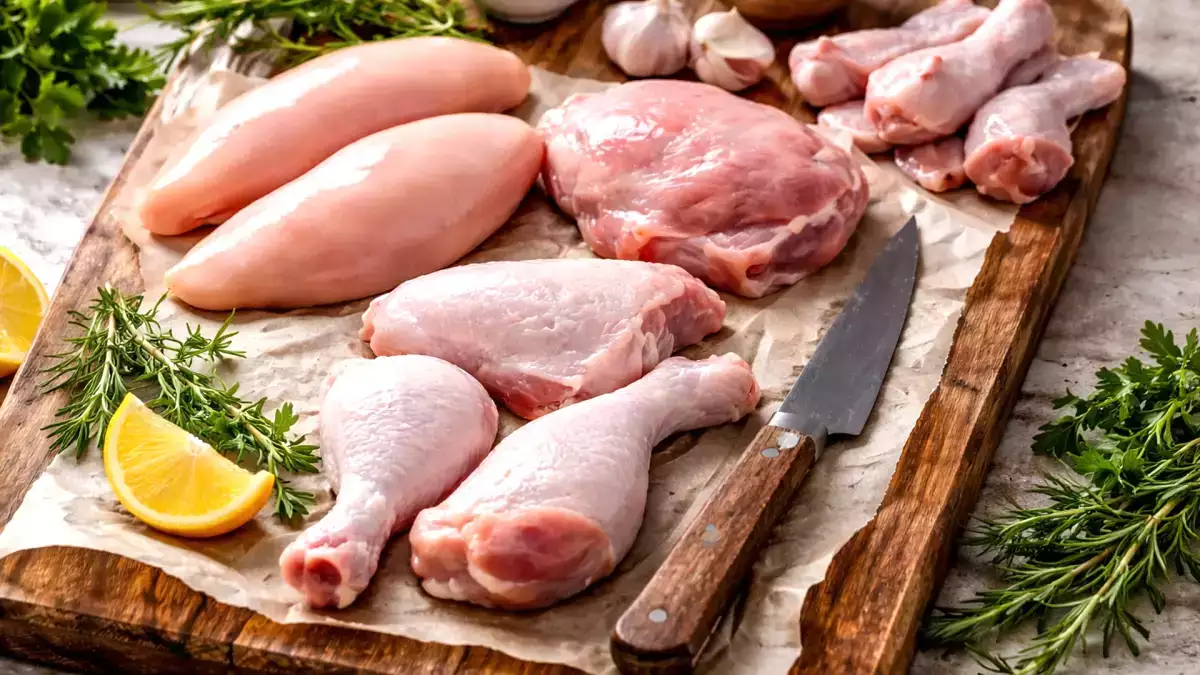
Chicken has something that few other meats can say: it is present in almost all the cuisines of the world and, even so, it is still an everyday ingredient. It can be used for a Sunday roast, a stew with sauce, a rice dish or a quick grilled dinner. And in Spain, moreover, it is part of a very recognizable domestic recipe: chicken with garlic, in sauce, baked with potatoes....
As with veal (or pork), almost everything can be used with chicken. And that is why it is important to know one basic thing: not all parts are cooked in the same way. The texture, juices and amount of fat change, and so does the technique that best suits them.
That's why we tell you which part of the chicken is best to use depending on the recipe you want to prepare.
Breast
It is the most popular piece and also the easiest to dry out if you overdo it. It is lean and fine-fibered, so it appreciates quick cooking or recipes with sauce.
It goes well for: grilled, breaded, stuffed, sautéed, baked with protection (sauce/vegetables).
Chicken breasts are ideal for making:
- Grilled with garlic and lemon
- Breast in almond sauce or mushroom sauce
Chicken tenderloin
That elongated piece that is attached to the breast. It is usually very tender and is perfect for quick recipes.
It goes well for: sautéed strips, skewers, light breading, wraps.
Recipes:
- Chicken strips with garlic (sautéed, with parsley).
- Chicken skewers with peppers and onions
Counter thigh
The upper part of the leg (the one attached to the body). It is usually meatier and juicier. The "all-rounder" piece par excellence: more intramuscular fat, more flavor and a very forgiving texture. Ideal if you are looking for juiciness without being aware of the point.
Goes well for: stews, oven, grill, rice dishes.
Recipes:
- Chicken in sauce (with onion, white wine and bay leaf)
Hams (chopsticks)
The lower part of the leg (the part that ends at the joint). It has less meat "in block" and more bone, but it is very appreciated in stews and roasts. Very easy to cook because they portion themselves. They are especially good in oven and stews with sauces.
Suitable for: roasts with potatoes, traditional stews, sauces.
Recipes :
- Baked chicken hams with potatoes.
- Chicken in beer (the little hams look great)
- Chicken stew with peas (home classic)
Wings
Little meat, lots of skin and lots of flavor. They are appetizer and baking tray meat: they are inexpensive, good looking and ask for a napkin.
Good for: baking, frying, marinades, final browning.
Recipes:
- Garlic wings
- Fried wings
- Baked wings with paprika and lemon
Quarters (rear and front)
Quarters are the practical option when you buy chicken on a tray: you get pieces already assembled and ready.
Hind quarter: thigh + ham (juicier).
Front quarter: breast + wing (leaner).
Goes well for: oven "one at a time", stews if you cut it up, family tray.
Recipes:
- Oven roasted chicken (with potatoes, garlic and lemon).
- Pickled chicken (very useful to eat the next day).
- Rice with chicken (chopping the quarter).
Carcass, spine and neck
This is the flavor of broths and many sauces. It is not a piece "to eat as is", but it is the base of dishes that come out round.
It goes well for: broths, soups, soups, rice dishes.
Recipes:
- Homemade chicken broth
- Noodle soup (with good broth, it changes everything)
- Rice broth or rice soup with chicken broth
Offal (liver, hearts, sweetbreads)
The offal of the chicken is humble, but very usable and traditional.
It goes well for: quick sautéed dishes or short stews (depending on the piece).
Spanish recipes:
- Chicken liver with onions
- Sweetbreads with garlic (or sautéed with lemon and parsley)
- Rice with giblets (very family cooking)
A simple compass to choose without fail
- For quickness: breast and sirloin (better with sauce if you want juiciness).
- For casseroles and oven with almost guaranteed success: ham and ham hocks.
- For snacks: wings.
- To cook "on the bottom": carcass/backbone.
- For cooking: giblets.
 Patricia González
Comments