8 recipes with a woman's name: the history (and myth) behind dishes that became universal
There are recipes that are born of a need, to use stale bread, to bind a sauce, to save a service, and others that are born of a person: of an opera diva, a queen with a craving, a theatrical heroine or a dancer to whom someone wanted to pay homage. In the European haute cuisine of the 19th and early 20th centuries, naming a dish after someone was more than a dedication: it was a way of fixing a cultural moment on the menu.
These eight dishes have one charming detail in common: they are all named after women. And, as with almost all gastronomic stories worth telling, in some there are certainties... and in others, a good dose of legend.
1. Pizza Margherita (Italy)
If there is a dish with a woman's name that has become universal, it is this one. Popular history places its "baptism" in Naples, 1889, when the pizzaiolo Raffaele Esposito would have prepared several pizzas for Queen Margherita of Savoy, and the favorite: tomato, mozzarella and basil, was interpreted as a nod to the colors of Italy.
Now: just because the story is iconic does not mean it is entirely peaceful. Gastronomic historiography has been pointing out for years that the Margherita may have been consolidated as a "founding myth" a posteriori, although the 1889 episode is a recurring reference in popular and journalistic narrative.
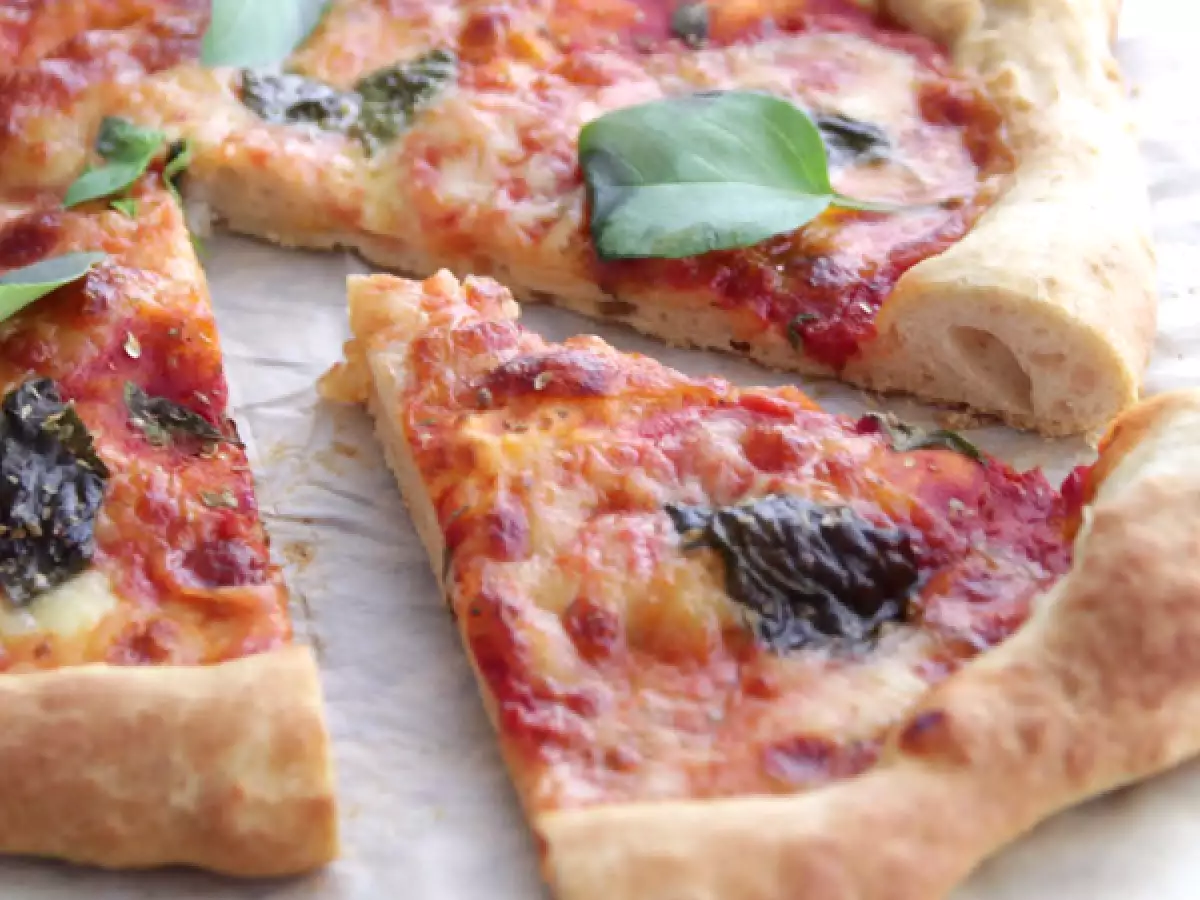
Treat yourself to a Margherita pizza, just like in Italy! And it’s quick to make, of course, thanks to Ptitchef’s recipe, which is also available as a video at the end ;-)
2. Crêpes Suzette (France)
Few things sound more "room service" than crêpes with butter and citrus sauce and a touch of liqueur, flambéed in front of the diner. The (delicious) problem is that its origin is disputed.
One version attributes the name to a scene in Monte Carlo (1895) linked to the future Edward VII and a young woman named Suzette; another relates it to the actress Suzanne Reichenberg, who performed under the stage name Suzette and served crêpes on stage (1897). Even reference sources pick up the controversy and cast doubt on details of the first account.
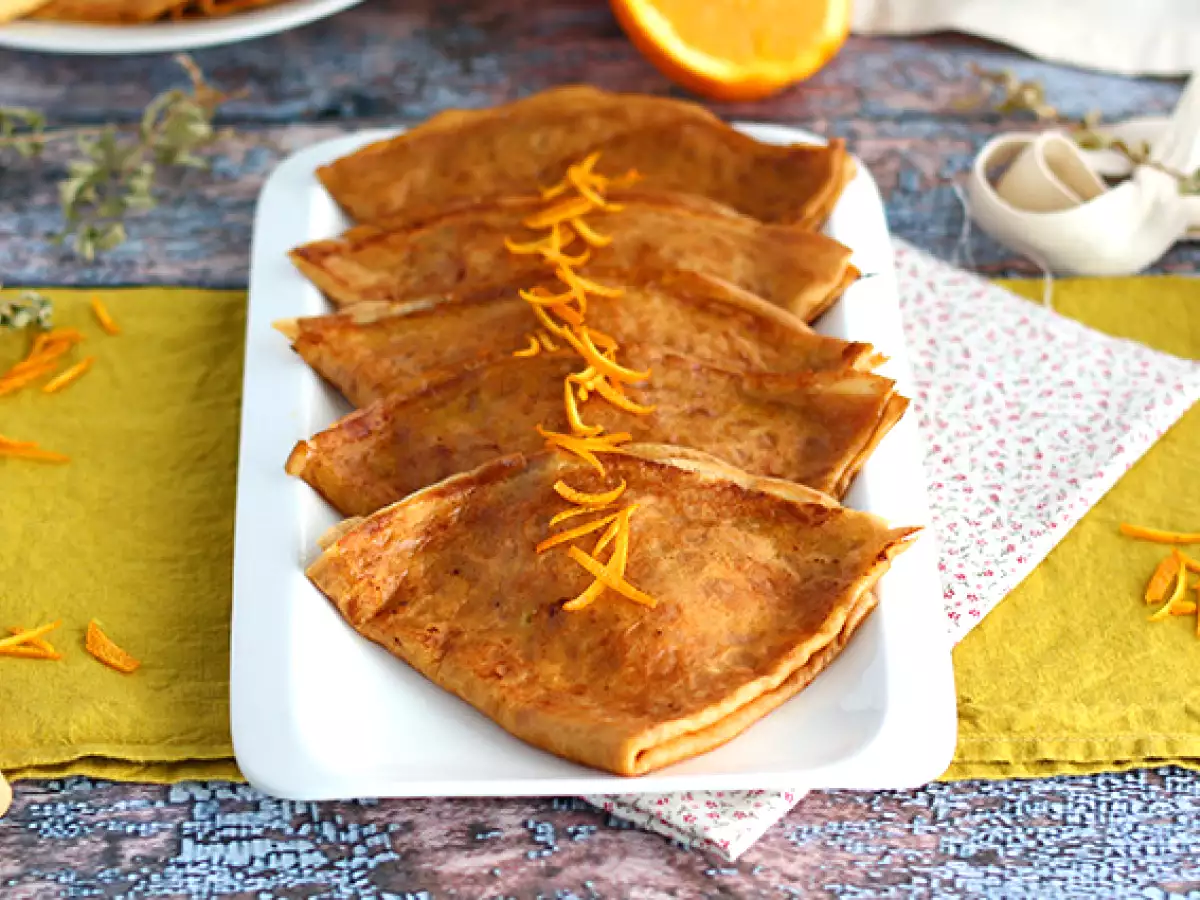
For Candlemas, dessert or snack time, treat yourself to fine and fluffy crepes. To make them even more indulgent, cook them in the Suzette version! Flavored with orange and Grand Marnier, this easy version will make you lose your mind ;-) A recipe...
3. Pêche Melba / Peach Melba (United Kingdom-France)
Here the dedication is clear and so is the signature: Auguste Escoffier. The dessert combines peach, vanilla ice cream and raspberry sauce, and was created in London (Savoy Hotel) to honor the Australian soprano Nellie Melba in the early 1890s.
Escoffier, a great storyteller himself, also contributed to setting the scene: the diva, the hotel, the opera and a dessert conceived as a gesture. In this case, legend and documentation often walk in the same direction.
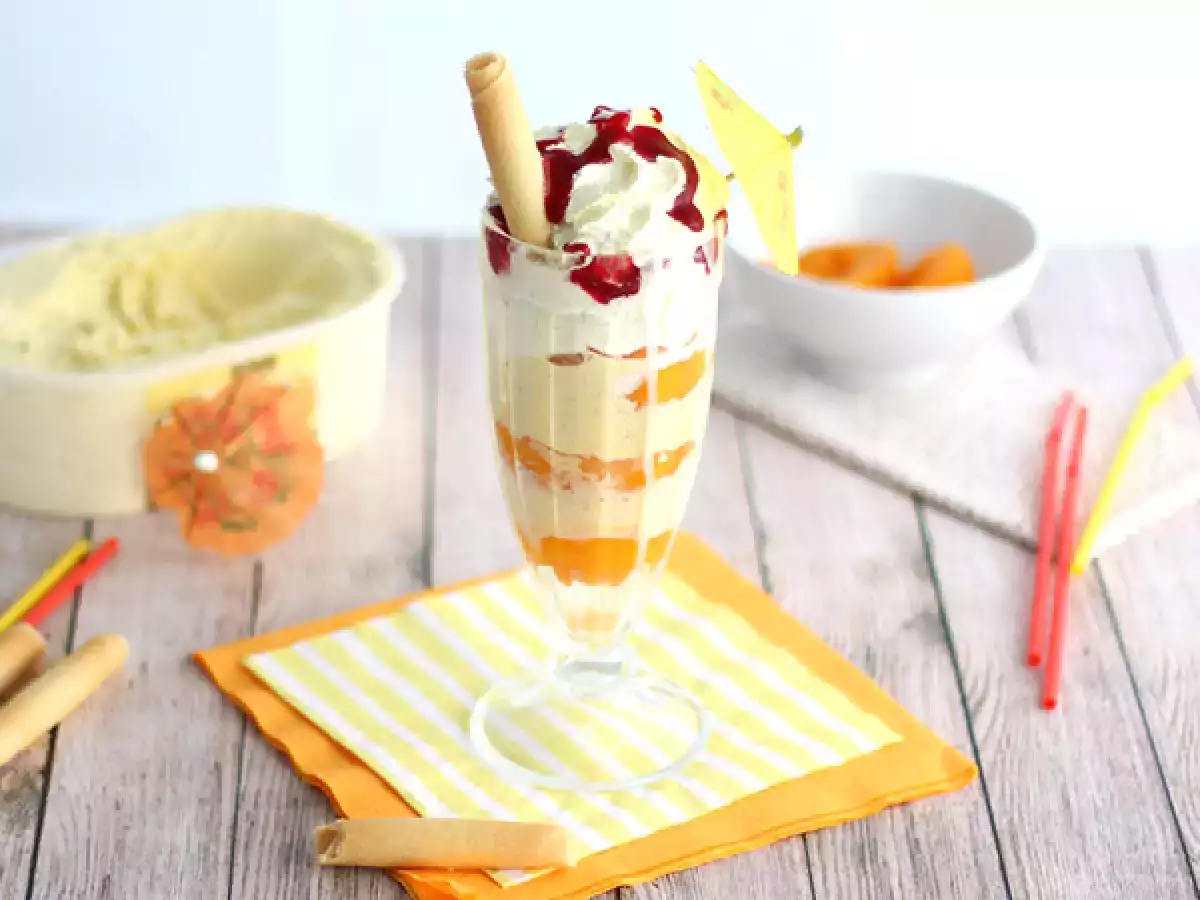
A classic among summer ice cream desserts: Peach Melba (or a Melba sundae). Invented in 1894 by chef Auguste Escoffier in honor of singer Nellie Melba, this refreshing and indulgent dessert is sure to delight. Simple scoops of vanilla ice cream paired...
4. Pavlova (Australia / New Zealand)
Pavlova is the perfect example of how a name can become a national dispute. It is fairly generally accepted that the dessert pays homage to Russian ballerina Anna Pavlova and is popularized in the context of her tours of Oceania in the 1920s.
The battleground is in the "who and when": there are research and journalistic records that fuel the rivalry between Australia and New Zealand, and also studies that trace Central European antecedents (earlier meringue cakes) as relatives of the concept. In other words: the name, probably; the exact authorship, much more debatable.
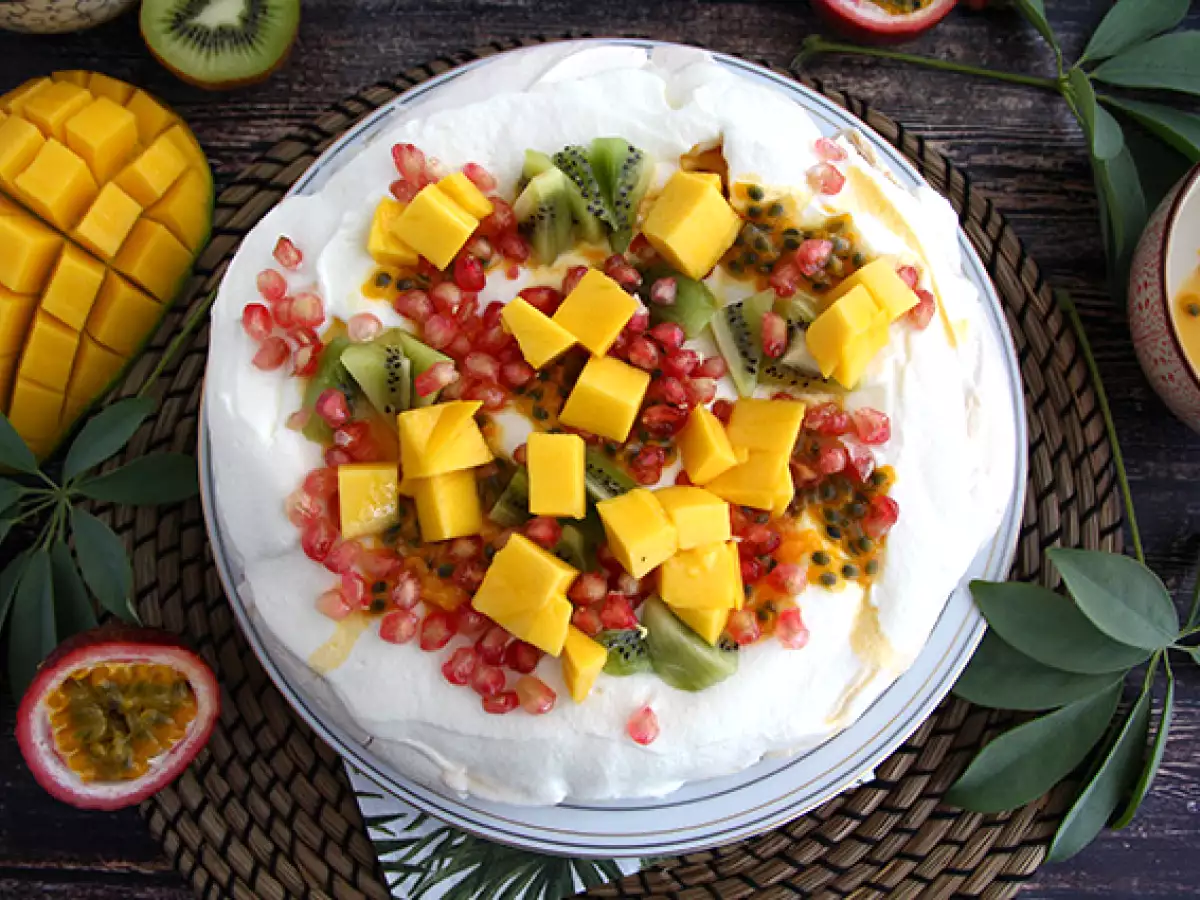
For a super fruity and colorful dessert, opt for this pavlova! A crunchy meringue topped with vanilla whipped cream and sprinkled with pieces of fruit. Admit it, it makes you want to try it :-) And for those who want to reduce their wheat consumption,...
5. Pasta alla Norma (Italy)
Norma here is neither a cook nor an aristocrat: she is an operatic character. This Sicilian (Catania) pasta - tomato, eggplant, basil and ricotta salata - is associated with the opera Norma by Vincenzo Bellini, born in the city.
The most repeated explanation tells that the writer Nino Martoglio, upon tasting it, exclaimed something equivalent to "This is a Norma!", using the title as a synonym for masterpiece. Even so, several sources point out that the denomination may have settled decades later, which invites us to read the baptism as a tale of local pride that solidified over time.
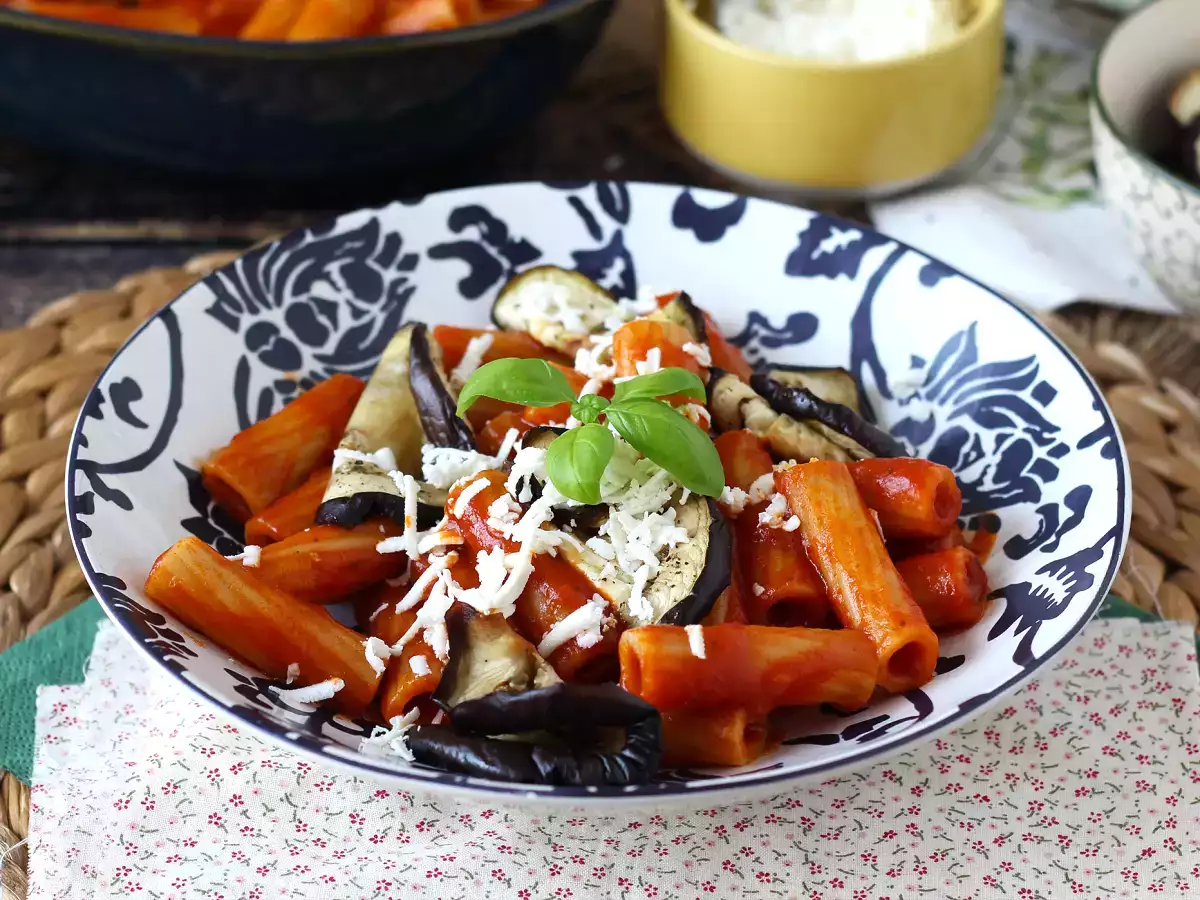
Get ready to travel straight to Catania in Sicily , where the delicate notes of grilled eggplant , juicy tomatoes and creamy ricotta come together to create a delicious, easy and inexpensive summer pasta dish! This recipe for "Pasta alla Norma"...
6. Madeleines (France)
The madeleine is small, yes, but its history aspires to be big. The most widespread version places its "origin" in Commercy (Lorraine) and attributes the name to a young cook named Madeleine Paulmier, in a court anecdote around 1755 linked to Stanislas Leszczyński.
It is worth reading it with affection and caution: in confectionery, palace legends are a genre in themselves. What is important, and verifiable, is that the name itself remained attached to the biscuit and traveled, until it became a symbol of a gustatory memory that literature finished off forever.
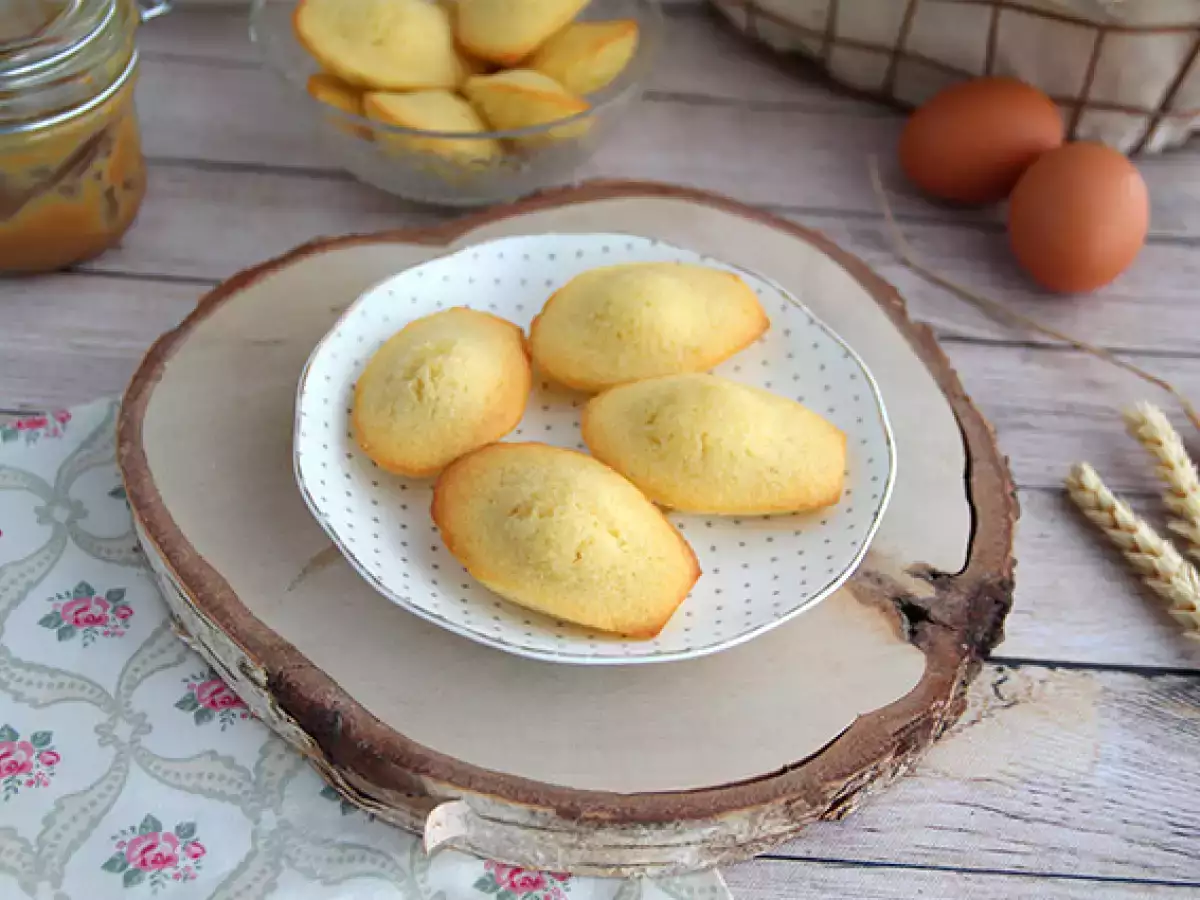
Soft and slightly domed , madeleines are a treat at any time of day. These traditional French mini cakes , recognizable by their characteristic shell shape, are a real treat for the taste buds. This easy recipe is sure to take you back to childhood...
7. Tarte Tatin (France)
Caramelized fruit tart "upside down", associated with the Hôtel Tatin in Lamotte-Beuvron and named after the Tatin sisters (Stéphanie and Caroline). Note: several sources indicate that the "accident story" is a popular myth and that the name recognition was consolidated later, but the nominal link with the sisters is widely established.
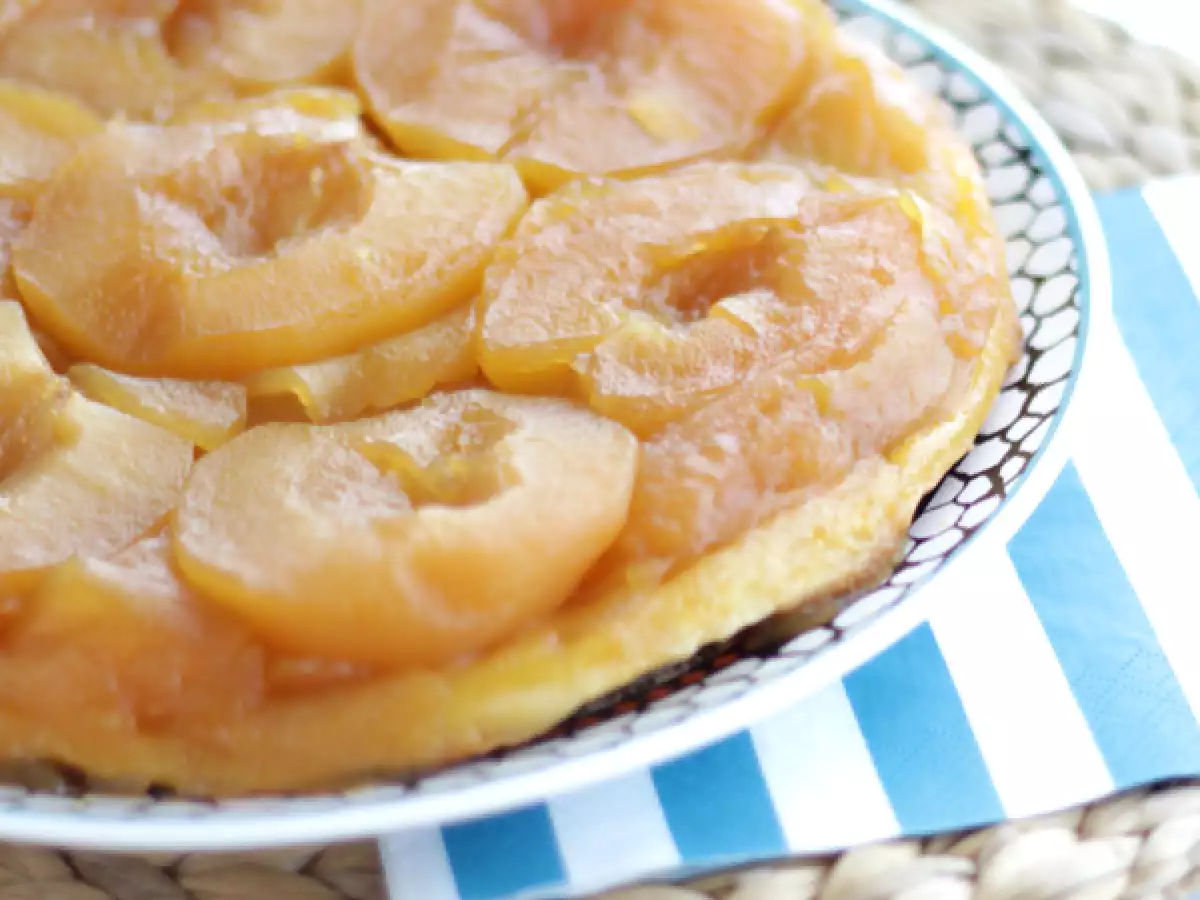
Only 3 ingredients to bake this very simple world-famous recipe ! So what are you waiting for to become a real french Petit Chef ?
8. Charlotte (France / United Kingdom)
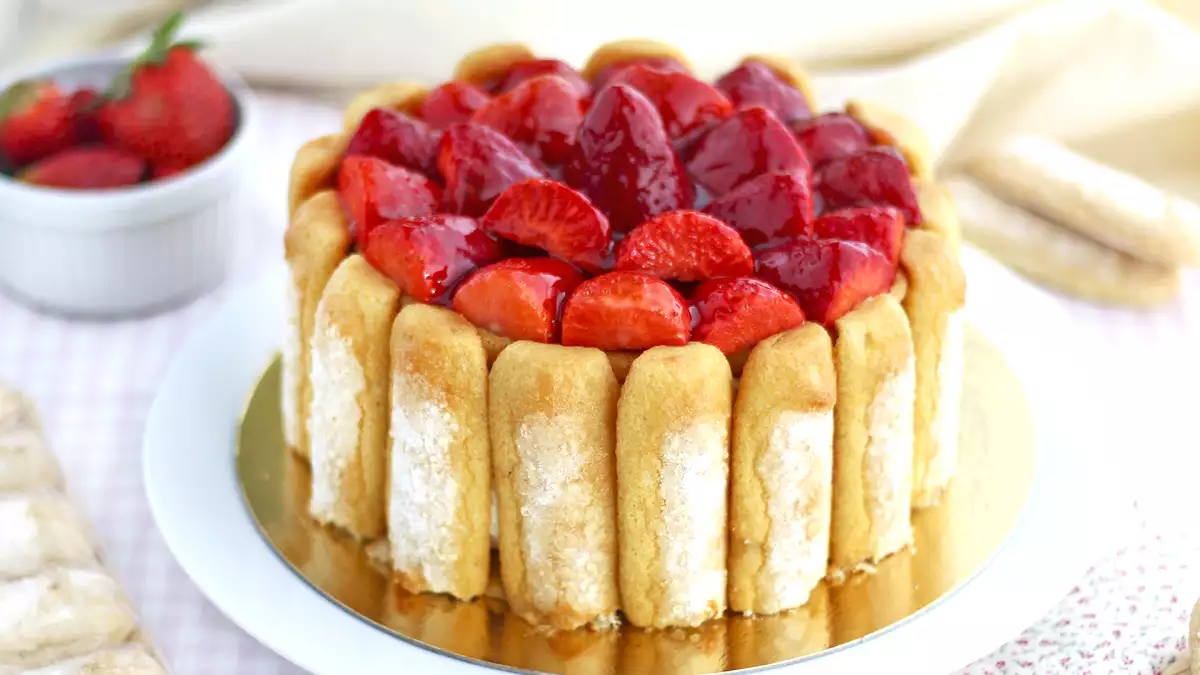
The "charlotte" is a molded dessert (sponge cake or bread) filled with fruit puree or cream; it has existed since the late eighteenth century and there are theories about the name: one widely cited is the tribute to Queen Charlotte, wife of George III, although serious sources also mention other possible etymologies and that the name circulated early.
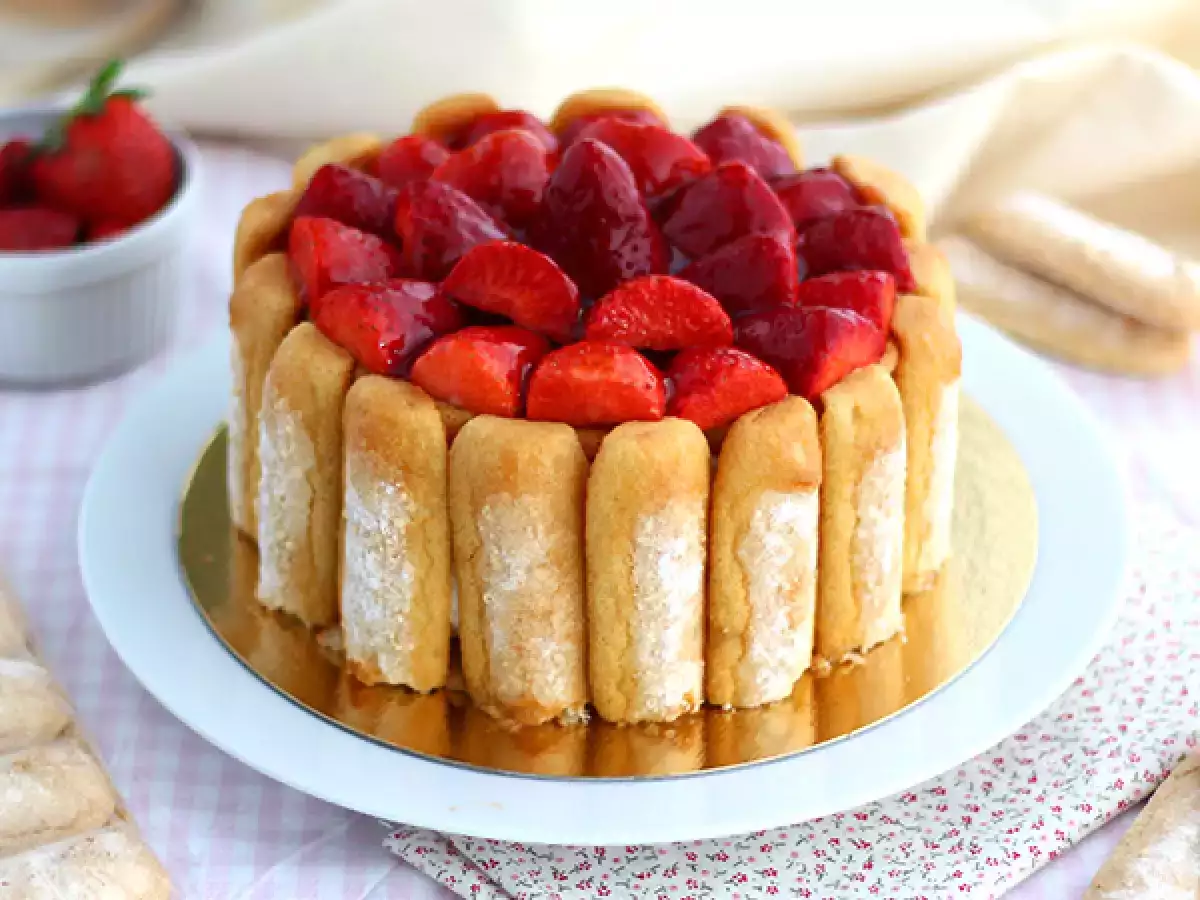
When strawberries are in season, there's nothing better than a beautiful dessert to showcase them! So grab your lady fingers, it's time to make a charlotte!
 Patricia González
Comments
anonymous
I loved it