Pantry check before September: the opened food items you should discard now to stay safe and fresh
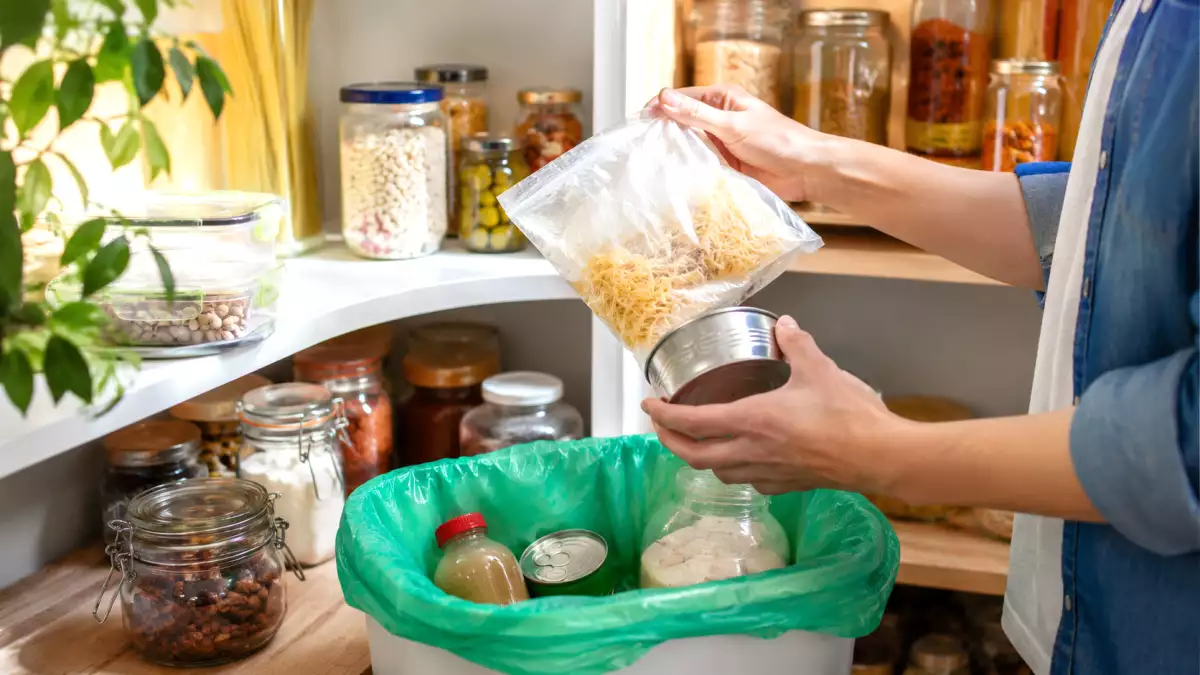
Before September is the perfect time to check your pantry: summer heat, humidity, and packages left open can spoil many foods without us even realizing it.
You don’t need to clear everything out completely, but take a good look at what’s already been opened, give it a sniff, and check the expiration dates, texture, and packaging. A quick check now helps prevent waste, unpleasant odors, bugs in the kitchen, and food that’s no longer appetizing.
Why you should check your pantry before September
During the summer, many dry foods can be affected by heat, humidity, and temperature fluctuations. Even if they haven’t “expired” in the strict sense, they can lose their aroma, crispness, flavor, and safety. The point isn’t to throw everything away, but to identify opened foods that no longer deserve a spot on the shelf.
A tidy pantry makes cooking easier, reduces waste, and lets you see right away what’s missing. And above all, it prevents that familiar scenario: opening a package of flour or cereal only to discover it no longer looks as reassuring as it did when you bought it.
Flour, breadcrumbs, and mixes: watch out for insects and strange odors
How can you tell if flour needs to be thrown out? Look for dark specks, stringy strands, unusual clumps, or small movements inside the package. The smell matters too: flour that smells musty, damp, or rancid is no longer suitable for use. The same goes for breadcrumbs, which tend to absorb odors and moisture much more than you might think.
Before September, discard any packages that have been open for months, especially if you can’t remember when you started using them. If, on the other hand, the product is recent and in good condition, transfer it to a clean, airtight container—preferably one with a label and the date it was opened.
Open boxes of cereal, cookies, and snacks: when they've lost their crunch
Can you eat stale cookies or cereal that’s been open for a long time? Sometimes yes, if there’s no mold, strange odors, or signs of contamination. But from a quality standpoint, they’re often no longer worth eating. A dry food that’s gone soft means it’s absorbed moisture; if the taste has changed, it’s best not to eat it.
To prevent this from happening again, always reseal packages carefully after opening them or use airtight containers. And follow this simple rule: if a snack has been open for weeks and no one ever picks it, it’s probably not a treasure worth keeping, but rather valuable space to free up.
Dried fruits, seeds, and oils: the risk is a rancid taste
How can you tell if nuts are rancid? The clearest sign is the smell: if they smell like paint, old cardboard, or heavy oil—or have a bitter aftertaste—it’s best to throw them out. The same goes for seeds and granola containing nuts: even if they look dry, they can develop an unpleasant flavor.
Opened oils, especially the more delicate ones, shouldn’t be left for months near the stove or in a warm pantry. Checkthe color, aroma, and flavor. If they have an unusual, sharp taste, smell stale, or have completely lost their aroma, it’s time to say goodbye to them without too many regrets.
Spices, dried herbs, and bouillon cubes: they aren't always bad for you, but they're often no longer necessary
Before September, try a simple test: open the jar and take a whiff. If you can’t smell practically anything, that spice is unlikely to add any flavor to your dishes. Also check for clumps, discoloration, or signs of moisture.
For a more efficient pantry, keep only the spices you actually use. Better to have a few fragrant jars than an endless collection of forgotten powders. And when you buy them again, choose small sizes if you use them rarely: they might cost a little more per kilo, but they reduce waste and disappointment in the kitchen.
Canned goods, sauces, and opened jars: What to check before putting them back
An important question is: Should it be stored in the fridge after opening? The answer depends on the label. Many sauces and preserves, once opened, must be refrigerated and consumed within a certain period. If you find an open jar in the pantry that should have been kept in the fridge, it’s best not to take any chances.
Immediately discard any products that show signs of mold, bubbles, a sour smell, a swollen lid, cloudy liquid, or a change in consistency. It’s not enough to just remove the surface part: when food shows obvious signs of spoilage, the safest choice is to throw it away.
A handy list of opened foods to check right away
To keep your pantry cleanup from turning into an archaeological expedition, organize by category. Take everything out, clean the shelves, and then decide what to put back.
Check the following first:
- Flour and breadcrumbs: check for bugs, strings, clumps, and musty odors.
- Cereals, cookies, and crackers: discard any that are soggy, old, or have an off taste.
- Nuts and seeds: give them a good sniff—you’ll know right away if they’re rancid.
- Spices and dried herbs: if they no longer have a scent, they won’t add any flavor.
- Open sauces and preserves: Always check if they’re supposed to be refrigerated.
- Open packages of pasta, rice, and dried legumes: check for torn packaging, insects, or suspicious signs.
- Chocolate and creams: watch out for strange odors, unusual coatings, and changes in texture.
This list also helps you figure out how to organize your pantry: place opened items in the front and new ones in the back. It may seem obvious, but it’s one of the most effective habits for using up items that are likely to spoil first.
What's the best way to preserve what's left?
The ideal pantry should be cool, dry, and away from direct light and heat sources. Avoid keeping oils, chocolate, nuts, and spices near the oven or stovetop: it’s convenient, but it’s not always the best choice.
Another handy tip is to create a “use-up-first” zone: a small basket or shelf dedicated to opened food items. That way, when you’re making your grocery list or looking for a snack, you’ll know right away where to start.
The golden rule: fewer forgotten pantry items, simpler cooking
A decluttered pantry makes everyday cooking simpler and more enjoyable. You’ll know what you have, use ingredients more effectively, buy fewer duplicates, and reduce the risk of finding unpleasant surprises tucked away between a package of pasta and a box of cookies.
Before September rolls around, take a few minutes to do this check: it’s a small household task, but it can change the way you shop, store food, and plan your meals for the week.
 Daniele Mainieri
Comments