Sautéed mushrooms: When should you add salt while cooking? The right time to bring out their flavor and achieve a truly delicious result
Sunday 11 October 2026 21:00 - Daniele Mainieri
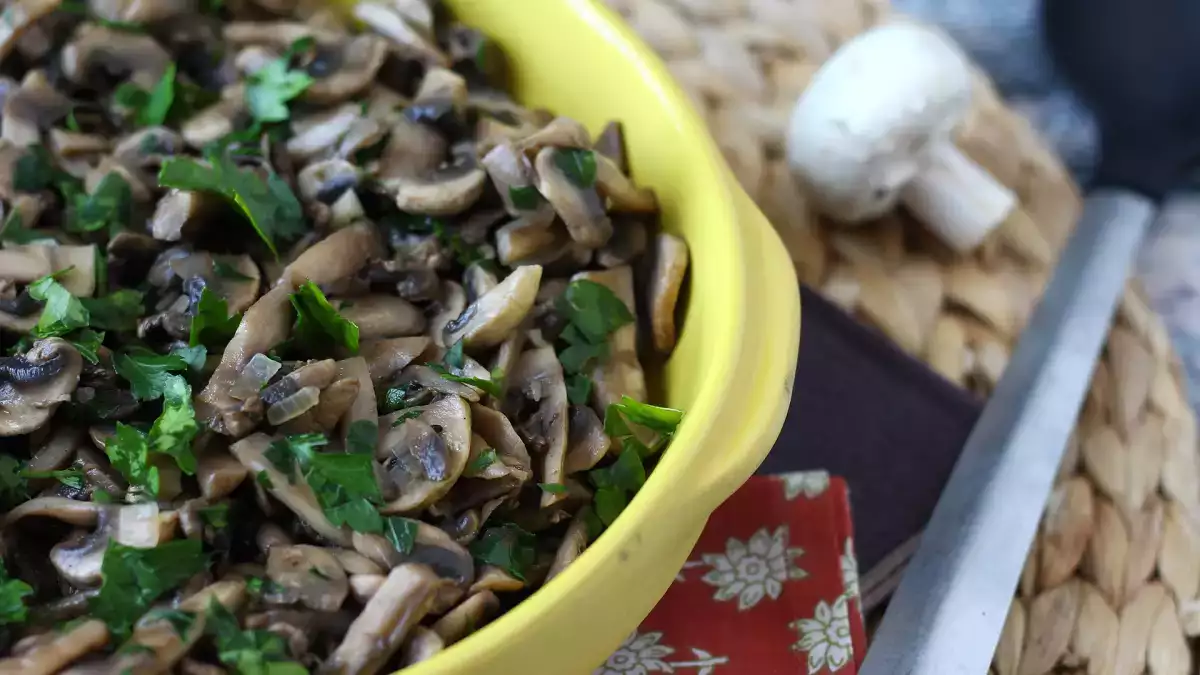
Sautéed mushrooms seem like a foolproof recipe: oil, garlic, mushrooms, parsley, and you’re good to go. But then the classic little kitchen drama unfolds: instead of browning, the mushrooms start to release water, get too soft, and end up more boiled than sautéed.
One of the details that really makes a difference is the timing of when you add the salt. It may seem like a small thing, but it can change the aroma, texture, and intensity of the dish.
Why do mushrooms release so much water in the pan?
Mushrooms are naturally rich in water and have a spongy texture. When they go into the pan—especially if the heat isn’t high enough or if they’re piled too close together—they begin to release liquid. At that point, the cooking process changes: instead of a quick sear, a sort of stewing effect takes place.
Why do mushrooms release liquid in the pan? This happens because the heat breaks down the mushroom cells and releases some of the internal moisture. If salt is added right away, this process can accelerate: salt draws out water, so the mushrooms start to “sweat” before they even begin to brown.
The result is something many people are familiar with: pale, soft mushrooms with a pool of liquid that prevents the flavor from concentrating. They aren’t necessarily bad, but they lose that intense, slightly roasted note that makes sautéed mushrooms so enjoyable.
Why do mushrooms release liquid in the pan? This happens because the heat breaks down the mushroom cells and releases some of the internal moisture. If salt is added right away, this process can accelerate: salt draws out water, so the mushrooms start to “sweat” before they even begin to brown.
The result is something many people are familiar with: pale, soft mushrooms with a pool of liquid that prevents the flavor from concentrating. They aren’t necessarily bad, but they lose that intense, slightly roasted note that makes sautéed mushrooms so enjoyable.
When to add salt to mushrooms in a skillet
The most useful rule is simple: add salt toward the end of cooking, when the mushrooms have already lost some of their moisture and are starting to brown. This way, you don’t stop the browning process, and the flavor remains more concentrated.
To start, let the pan heat up well, add oil or butter, add the cleaned and sliced mushrooms, then let them cook without stirring them constantly. This step is important: if you stir them every ten seconds, you won’t have time to let a dry surface form. Once they start to brown and the liquid has almost evaporated, then you can add salt.
Is it better to salt the mushrooms before or after cooking? For a drier, more flavorful side dish, it’s best to do so after the initial browning phase. Not right after turning off the heat, but during the last few minutes, so the salt dissolves, distributes evenly, and doesn’t turn the pan into a little pool of broth.
To start, let the pan heat up well, add oil or butter, add the cleaned and sliced mushrooms, then let them cook without stirring them constantly. This step is important: if you stir them every ten seconds, you won’t have time to let a dry surface form. Once they start to brown and the liquid has almost evaporated, then you can add salt.
Is it better to salt the mushrooms before or after cooking? For a drier, more flavorful side dish, it’s best to do so after the initial browning phase. Not right after turning off the heat, but during the last few minutes, so the salt dissolves, distributes evenly, and doesn’t turn the pan into a little pool of broth.
The Hot Pan Trick
Even more important than salt is the temperature. A lukewarm pan is the start of many failed mushroom dishes. Mushrooms need to be placed on a hot surface that can quickly evaporate their moisture. If the heat is too low, the water stays there, builds up, and prevents them from browning.
It’s best to use a wide skillet—preferably not too lightweight—and let it heat up thoroughly before adding the mushrooms. You don’t need to burn everything, but you do need to be decisive. The mushrooms should sizzle; they shouldn’t just sit there comfortably, “chatting” with the water they release.
How can you keep mushrooms from getting watery in the pan? The key is to combine three things: a hot pan, mushrooms that aren’t too wet, and salt added at the right moment. If any one of these is missing, the result changes immediately.
It’s best to use a wide skillet—preferably not too lightweight—and let it heat up thoroughly before adding the mushrooms. You don’t need to burn everything, but you do need to be decisive. The mushrooms should sizzle; they shouldn’t just sit there comfortably, “chatting” with the water they release.
How can you keep mushrooms from getting watery in the pan? The key is to combine three things: a hot pan, mushrooms that aren’t too wet, and salt added at the right moment. If any one of these is missing, the result changes immediately.
Mistakes to Avoid for More Flavorful Mushrooms
To make flavorful sautéed mushrooms, there’s no need to overcomplicate the recipe. Just avoid a few habits that seem harmless but can ruin the dish.
A small detail that’s often overlooked: if the mushrooms are very dirty, clean them with a damp cloth or a small brush. If you need to rinse them, do so quickly and dry them thoroughly right away. Putting them in the pan dry is already half the battle.
- Don’t wash them too far in advance: they’ll absorb water and end up in the pan already damp.
- Don’t slice them too thinly: they risk losing their texture and becoming mushy.
- Don’t overcrowd the pan: if they’re piled on top of each other, they’ll release steam and cook unevenly.
- Don’t add salt right away: adding salt too early draws out water and slows down the browning process.
- Don’t stir constantly: letting them sit in the pan for a few minutes helps them brown.
- Don’t cover the pan: the lid traps steam and makes the mushrooms soggier.
A small detail that’s often overlooked: if the mushrooms are very dirty, clean them with a damp cloth or a small brush. If you need to rinse them, do so quickly and dry them thoroughly right away. Putting them in the pan dry is already half the battle.
Garlic, butter, oil, and herbs: when to add them
Salt isn’t the only ingredient that needs to be handled with care. Garlic, butter, and parsley also have their moment to shine. Garlic can be added at the beginning, but over low heat: if the pan is too hot, it risks burning before the mushrooms are ready. A practical solution is to infuse the oil with garlic, then remove it or set it aside.
Butter is excellent with mushrooms, but it can burn if used improperly. You can start with a drizzle of oil and add a pat of butter in the final minutes, when the mushrooms are already dry. This way, you get more flavor without weighing down the dish.
Parsley, on the other hand, is best added at the end. If it cooks too long, it loses its freshness and color. Add it after the salt, just before turning off the heat, along with a grind of pepper. The flavor stays more vibrant, and the side dish immediately looks more polished, without needing any fancy touches.
Butter is excellent with mushrooms, but it can burn if used improperly. You can start with a drizzle of oil and add a pat of butter in the final minutes, when the mushrooms are already dry. This way, you get more flavor without weighing down the dish.
Parsley, on the other hand, is best added at the end. If it cooks too long, it loses its freshness and color. Add it after the salt, just before turning off the heat, along with a grind of pepper. The flavor stays more vibrant, and the side dish immediately looks more polished, without needing any fancy touches.
How long should mushrooms be cooked in a pan?
How long should mushrooms cook in a pan? It depends on the type of mushroom and how they’re cut, but for thinly sliced button mushrooms, 8–10 minutes is usually enough. The first few minutes are for drawing out the water and letting it evaporate; the last few are for adding flavor and browning.
If you’re using meatier mushrooms, such as cardoncelli or oyster mushrooms, it may take a few more minutes. The key is to keep an eye on the pan: when the liquid has evaporated and the edges start to brown, that’s the right time to add salt and finish cooking.
Don’t necessarily look for very dry mushrooms. They should remain soft on the inside, but not soggy. The ideal texture is that of a springy, fragrant mushroom with a few golden spots and a slightly glossy cooking liquid.
If you’re using meatier mushrooms, such as cardoncelli or oyster mushrooms, it may take a few more minutes. The key is to keep an eye on the pan: when the liquid has evaporated and the edges start to brown, that’s the right time to add salt and finish cooking.
Don’t necessarily look for very dry mushrooms. They should remain soft on the inside, but not soggy. The ideal texture is that of a springy, fragrant mushroom with a few golden spots and a slightly glossy cooking liquid.
A simple recipe to put this advice into practice
To try this method right away, you can start with a classic, quick recipe: just a few ingredients, a very hot skillet, and salt added at the right moment.
Follow the recipe and pay special attention to the initial stage: dry mushrooms, a large skillet, and no salt right away. When the water has evaporated and the aroma becomes more intense, that’s your cue to finish seasoning the dish.
A quick and easy recipe for pan-fried mushrooms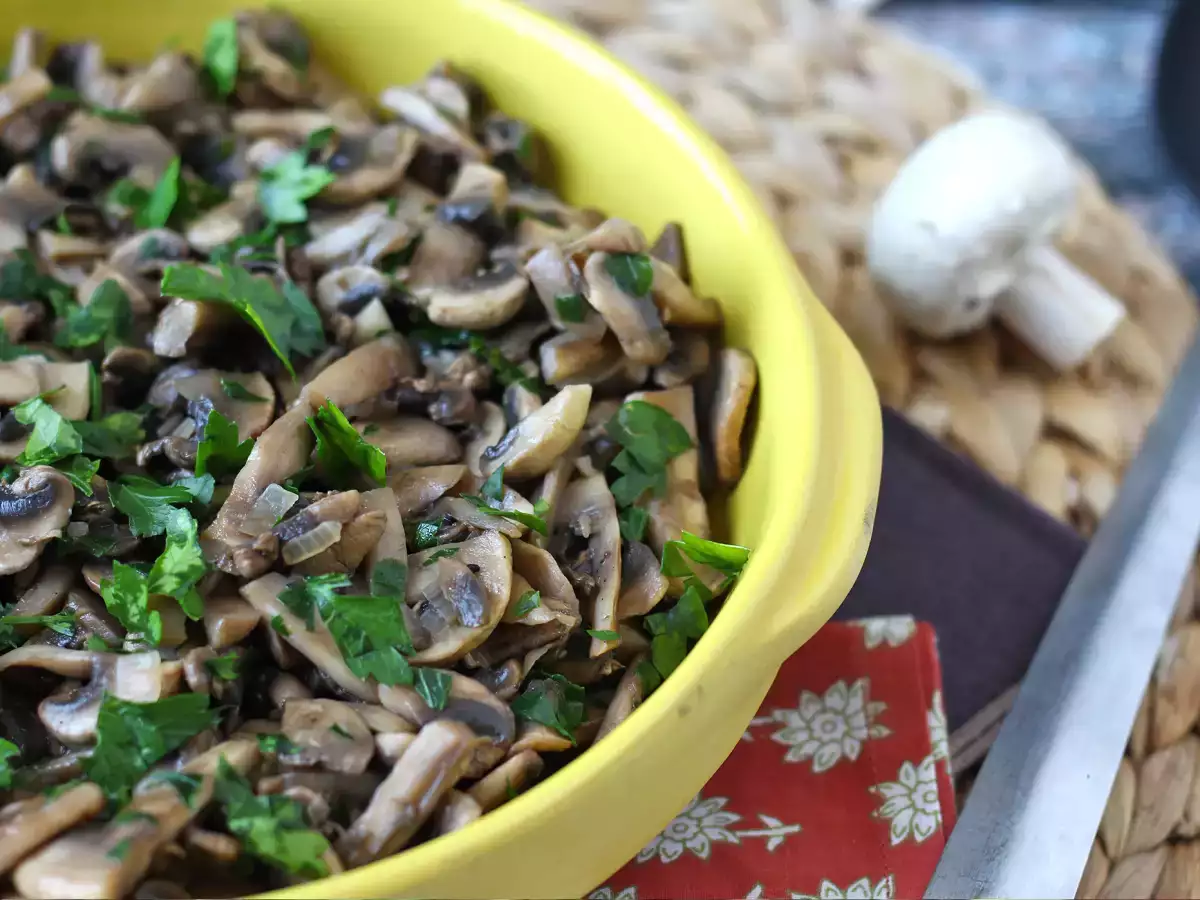
Need a quick , tasty and always effective side dish ? Mushroom poêlée ticks all the boxes! Whether on its own, with eggs, rice, pasta or as a garnish for grilled meat, it's got it all. A few fresh mushrooms, a hint of garlic, a touch of shallot, a...
Follow the recipe and pay special attention to the initial stage: dry mushrooms, a large skillet, and no salt right away. When the water has evaporated and the aroma becomes more intense, that’s your cue to finish seasoning the dish.
A Reminder to Keep in Mind
Ultimately, the question of when to salt mushrooms in a pan has a very straightforward answer: not at the beginning, but after the mushrooms have started to dry out and brown. It’s a small change in habit that prevents the dish from becoming watery and helps bring out a richer flavor.
The best sequence is this: a hot pan, dry mushrooms, cooking without a lid, salt toward the end, and fresh herbs at the very last moment. This way, the mushrooms stay tender but not mushy, fragrant but not watery, simple yet truly delicious. And the next time you make them , the salt won’t make its entrance too soon—it’ll wait for its moment, like an actor who knows when to steal the show.
The best sequence is this: a hot pan, dry mushrooms, cooking without a lid, salt toward the end, and fresh herbs at the very last moment. This way, the mushrooms stay tender but not mushy, fragrant but not watery, simple yet truly delicious. And the next time you make them , the salt won’t make its entrance too soon—it’ll wait for its moment, like an actor who knows when to steal the show.
 Daniele Mainieri
Every day, I dive into the world of food and wine with curiosity, always looking for new flavours, recipes and inspiring discoveries to share. From traditional family dishes to the latest food trends, including pairings that make all the difference. I’ve been working in food & wine communication for over 10 years and I’m currently the Editorial Manager for the Italian edition of Petitchef.
Comments