Sore after exercise? Simple tips to prevent and ease muscle aches
Saturday 26 September 2026 17:00 - Juliette Hess
Start gently: the best anti-soreness trick is progression
The most effective way to avoid heavy aches is to increase effort gradually. Soreness is more likely when you suddenly run farther, lift heavier, try a new class or return to sport after a break. Instead of going from zero to full power, build up in small steps: a little more distance, a little more weight, or a few extra minutes each week.
This is especially important for exercises with lots of lowering movements, such as squats, lunges, downhill running or slow push-ups. These movements can be excellent for strength, but they often trigger more DOMS when the body is not used to them. A steady, progressive plan keeps training enjoyable and makes it easier to come back the next day.
This is especially important for exercises with lots of lowering movements, such as squats, lunges, downhill running or slow push-ups. These movements can be excellent for strength, but they often trigger more DOMS when the body is not used to them. A steady, progressive plan keeps training enjoyable and makes it easier to come back the next day.
Warm up before, cool down after
A good warm-up is simple: spend 5 to 10 minutes waking up the body before the real effort begins. Think brisk walking, light cycling, gentle mobility, arm circles, hip rotations or easy versions of the movements you are about to do. The goal is to raise the heart rate, increase blood flow and prepare the joints and muscles for action.
After exercise, slow down rather than stopping abruptly. A short cool-down with easy movement can help you feel calmer, less stiff and more comfortable. Stretching after exercise can also be pleasant, especially when it is gentle and never forced. Hold stretches lightly, breathe, and avoid bouncing.
After exercise, slow down rather than stopping abruptly. A short cool-down with easy movement can help you feel calmer, less stiff and more comfortable. Stretching after exercise can also be pleasant, especially when it is gentle and never forced. Hold stretches lightly, breathe, and avoid bouncing.
Keep moving, but keep it easy
When soreness arrives, the couch may look tempting, but total stillness can sometimes make stiffness feel worse. Choose active recovery: walking, easy cycling, gentle swimming, light yoga or mobility work. The idea is to move enough to feel looser, not to prove anything.
If your legs are sore from a tough lower-body session, train the upper body or take a light walk. If your arms are aching, focus on legs, core or mobility. This lets you maintain the habit of movement while giving the sore muscles time to recover.
If your legs are sore from a tough lower-body session, train the upper body or take a light walk. If your arms are aching, focus on legs, core or mobility. This lets you maintain the habit of movement while giving the sore muscles time to recover.
Hydration, food and sleep matter more than fancy tricks
Recovery is not only about what happens in the gym. Muscles repair best when the body has the basics: water, balanced meals and enough sleep. After a workout, include protein-rich foods such as eggs, yogurt, tofu, fish, beans, chicken or lentils, plus carbohydrates such as potatoes, rice, pasta, oats, bread or fruit. Carbohydrates help refill energy stores, while protein supports muscle repair.
Sleep is another quiet hero. A short night can make aches feel stronger and motivation feel lower. Aim for a regular bedtime, and treat rest days as part of the training plan, not as a failure.
Sleep is another quiet hero. A short night can make aches feel stronger and motivation feel lower. Aim for a regular bedtime, and treat rest days as part of the training plan, not as a failure.
Use comfort tools wisely
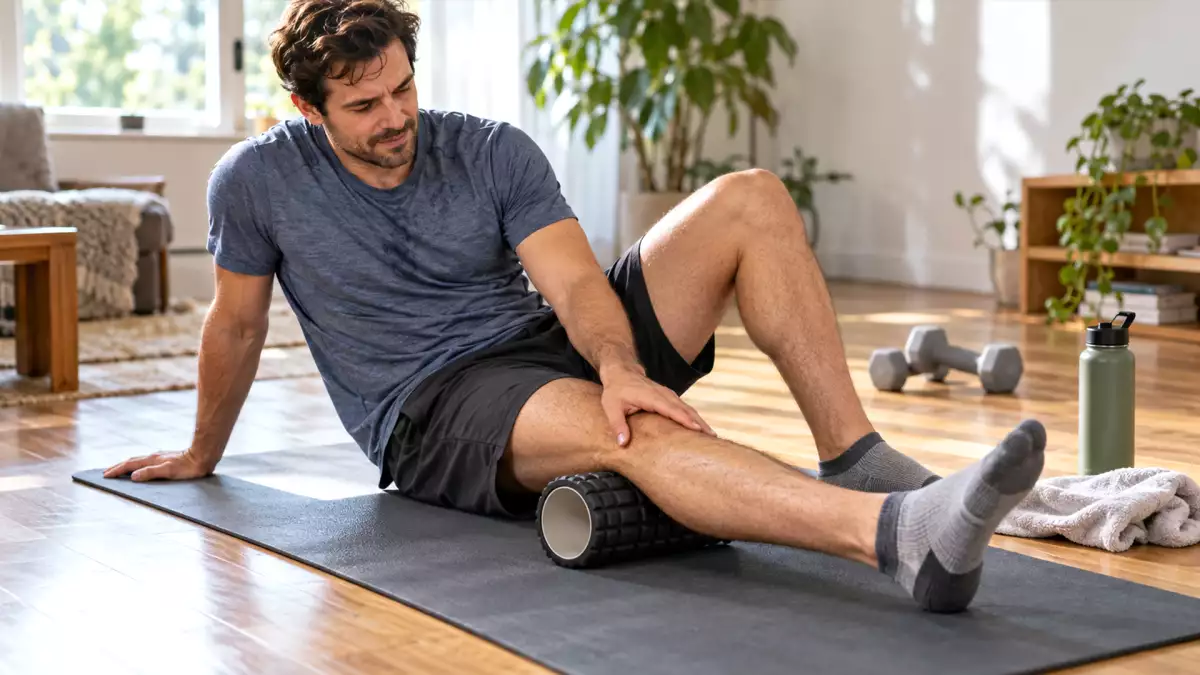
A warm shower, a bath, a light massage, a foam roller or gentle self-massage can make sore muscles feel better. The key word is gentle. Pressing very hard on an already tender muscle is not automatically better, and it can make the area more irritated.
Some people prefer heat for stiffness, while others like brief cold packs after a very intense session. Choose what feels helpful. Over-the-counter pain relief may be an option for some people, but it is best to follow the label and ask a health professional if you have medical conditions, take medication, are pregnant or are unsure.
Some people prefer heat for stiffness, while others like brief cold packs after a very intense session. Choose what feels helpful. Over-the-counter pain relief may be an option for some people, but it is best to follow the label and ask a health professional if you have medical conditions, take medication, are pregnant or are unsure.
Know the difference between soreness and injury
Normal exercise soreness is usually symmetrical, dull, tender and improves over a few days. It should not feel sharp, sudden or alarming. Stop and seek medical advice if you notice severe pain, major swelling, bruising, weakness, inability to use the limb, chest pain, trouble breathing, dizziness, fever, or dark urine after intense exercise.
Also pay attention if pain keeps getting worse instead of better, lasts longer than expected, or appears after a fall, twist or obvious injury. Listening to these warning signs is not being dramatic; it is part of training intelligently.
Also pay attention if pain keeps getting worse instead of better, lasts longer than expected, or appears after a fall, twist or obvious injury. Listening to these warning signs is not being dramatic; it is part of training intelligently.
A simple routine to reduce next-day aches
Before exercise: do 5 to 10 minutes of easy movement and start with lighter sets or a slower pace.
During exercise: keep good technique, avoid sudden jumps in intensity, and stop if pain is sharp or unusual.
After exercise: cool down, drink water, eat a balanced meal, and get a good night of sleep.
The next day: use light movement, gentle stretching and patience. Most mild soreness fades naturally as the body adapts.
During exercise: keep good technique, avoid sudden jumps in intensity, and stop if pain is sharp or unusual.
After exercise: cool down, drink water, eat a balanced meal, and get a good night of sleep.
The next day: use light movement, gentle stretching and patience. Most mild soreness fades naturally as the body adapts.
 Juliette Hess
I have been creating culinary content for Petitchef since 2017.
I love travelling and discovering new dishes, trying out new food trends and exploring new restaurants.
I’m a huge fan of pasta and noodles in all their forms ❤ from udon noodles to tagliatelle, I love cooking them and even making them from scratch!
I’m currently preparing, filming and photographing your next recipe, and I hope you’ll enjoy it!
I love travelling and discovering new dishes, trying out new food trends and exploring new restaurants.
I’m a huge fan of pasta and noodles in all their forms ❤ from udon noodles to tagliatelle, I love cooking them and even making them from scratch!
I’m currently preparing, filming and photographing your next recipe, and I hope you’ll enjoy it!
Comments