Sugar-free doesn't mean healthy: what you need to know
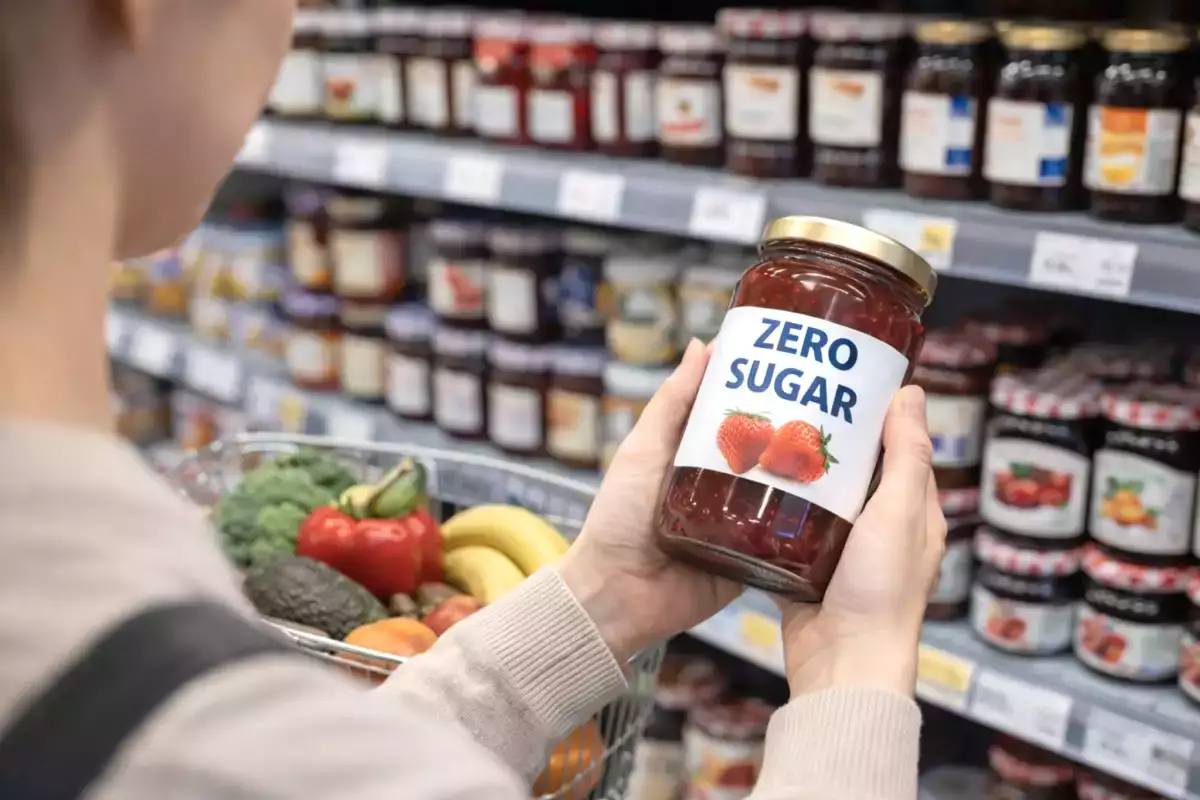
More and more products display the promise "sugar-free" on their labels. At first glance, this seems automatically healthier, but it's not always true.
The absence of sugar does not guarantee a balanced, nutritious or health-enhancing food. To make good choices, it's essential to understand what's really behind this information.
What does "sugar-free" mean on the label?
When a product says "sugar-free", it simply means that it contains no added sugar or that the amount is very low according to legislation. However, this does not mean that the food is naturally healthy or that it does not contain other problematic ingredients.
In addition, there is an important difference between
- Sugar-free
- No added sugar
- Naturally sugar-free
These terms are not synonymous and can confuse consumers. A "sugar-free" product may contain artificial sweeteners, while an "unsweetened" one may contain naturally occurring sugars, such as those in fruit or milk.
The role of sweeteners
To keep the taste sweet, many sugar-free products use artificial or natural sweeteners, such as aspartame, sucralose, saccharin, stevia or xylitol. Although some are considered safe when consumed in moderation, they are not without controversy.
Frequent consumption of sweeteners can:
- Keep the palate conditioned to the sweet taste
- Stimulate appetite for sugary foods
- Cause intestinal discomfort in some people
- Give a false sense of "freedom" to overeat
In other words, swapping sugar for sweetener doesn't automatically solve the problem.
Ultra-processed products remain ultra-processed
Another important point: many "sugar-free" foods are still ultra-processed. They can contain an excess of bad fats, sodium, flavorings, colorings and thickeners, all of which are harmful to health.
Cookies, ready-made desserts, drinks, flavored yogurts and "fit" bars without sugar are not always better than the traditional versions. In some cases, the nutritional composition is very similar.
What really makes a food healthy?
A healthy food should be more than just sugar-free:
- Short and recognizable list of ingredients
- A good amount of fiber, protein or good fats
- Low level of processing
- Nutritional balance
Fresh or minimally processed foods such as fruit, vegetables, eggs, grains and nuts are still the best choices, even if they naturally contain sugar.
How to consume more consciously
This doesn't mean that you have to eliminate all "sugar-free" products from your routine. They can be useful, especially for people with diabetes or who need to reduce their sugar intake. The key is moderation and careful label reading.
Before you buy, ask yourself:
- What kind of sweetener has been used?
- How many ingredients does this product have?
- Does it replace a natural food or just one sweet for another?
"Sugar-free" is an important piece of information, but it shouldn't be the only criterion for choice. A product can be sugar-free and still be unhealthy. The more awareness you have about ingredients, processing and balance, the better your decisions will be at the table.
 Mirella Mendonça
Comments