The 12 food fears of Christmas (and how to really overcome them, according to science)
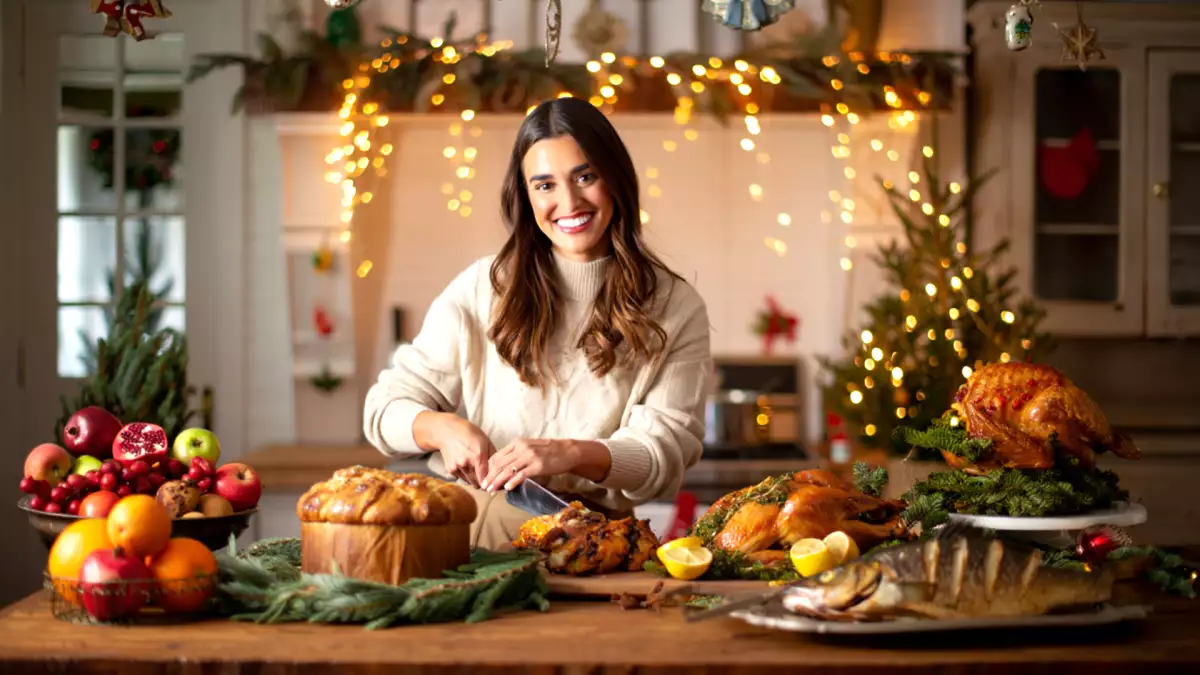
Christmas is the most anticipated time of the year, but also the season when Americans stress the most about food.
1. “What if the leftovers spoil?” America’s #1 holiday food fear
Holiday meals mean huge portions… and even bigger leftovers. The fridge fills up fast, and suddenly the fear kicks in: Are these still safe?
What the USDA says: protein-rich dishes like turkey, ham, casseroles, gravy, seafood and cream-based sides should not stay in the fridge longer than 3–4 days.
The trick: Cool foods within 2 hours and store them in shallow, airtight containers for faster, safer chilling.
2. “Is the Christmas Eve seafood really fresh?”
Many American families serve seafood for Christmas Eve or New Year’s: shrimp trays, lobster tails, smoked salmon, crab legs. But freshness can cause anxiety.
What experts say:
- Fresh seafood should have clear eyes, a clean ocean smell, shiny flesh, and firm texture.
- For raw dishes (like sushi or ceviche), fish must be previously frozen to kill parasites.
Buying from reputable vendors drastically reduces risk.
3. “Are store-bought holiday sweets unhealthy or unsafe?”
Panettone, cookies, chocolate tins, pies, peppermint bark… shelves fill up fast, and people worry about additives.
Reality:
- FDA-approved additives in packaged holiday sweets are considered safe.
- The real issue is excess sugar and calories, not the ingredients themselves.
Moderation is your best ally.
4. Did I cook the turkey or roast enough?”
Undercooked poultry is one of America’s biggest holiday fears, and for good reason.
USDA rule:
- All poultry (turkey, chicken) and pork must reach an internal temperature of 165°F.
- A simple food thermometer solves 100% of the worry.
5. “Are those homemade food baskets even safe?”
Gift baskets full of artisanal jams, sausages, cheeses and baked goods are popular but unlabeled jars or vacuum-sealed items can raise concerns.
Recommendation:
- Choose baskets with clear labels, visible expiration dates, and intact packaging.
- If a jar smells odd, looks cloudy, or bulges: throw it out.
6. “Can I still use dairy that’s past its date?”
Confusion around food dates peaks in December, especially with dairy food.
The FDA clarifies:
- “Use By” = safety date: do not consume after.
- “Best By” = quality date: safe if unopened, unchanged, and properly stored.
7. “Do egg-based desserts spoil immediately?”
Eggnog, custards, mousse, homemade mayo: delicious but delicate.
CDC recommendation:
Consume within 24 hours, keep refrigerated, and avoid for pregnant people or young children if made with raw eggs.
8. “What if I overdo it with sugar, fat, and alcohol?”
Americans worry about undoing a year of progress in a few meals and it’s understandable. Studies show holiday caloric intake can rise up to 40%, thanks to rich dishes, sweets, and cocktails.
Best strategy:
Enjoy the main holiday meals guilt-free, then lighten the next meals with veggies, fruit, and lean proteins.
And remember: alcohol adds calories fast and increases appetite.
Alternate drinks with water to stay in control.
9. “Did I thaw the seafood or meat correctly?”
One of the most common holiday mistakes is thawing food on the counter.
Food-safety rule:
- Never thaw at room temperature.
- Use the fridge, cold-water method, or the microwave’s defrost setting.
10. “I’m afraid of food poisoning from buffets”
Long appetizer tables, dishes sitting out for hours, potlucks with unknown handling…
To minimize risk:
Don’t leave cheeses, meats, dips, casseroles or desserts out for more than 2 hours (1 hour if the room is above 90°F).
11. “Are charcuterie boards unhealthy?”
Cured meats and cheeses contain sodium, nitrates, and saturated fats and many people worry about serving them.
Nutrition advice:
Moderation + high-fiber sides (vegetables, whole-grain crackers, legumes) help balance the meal.
12. “What if shared dishes hide allergens?”
Hidden gluten, nuts, dairy, or soy can be a major concern for guests with allergies.
Best practice:
- If you’re hosting: clearly list ingredients.
- If you’re a guest: ask — it’s not rude, it’s responsible.
A safe, calm Christmas is possible
Holiday food fears are normal — the meals get bigger, the dishes more complex, and the fridge fuller than ever. But following a handful of basic rules from the CDC, USDA and FDA makes the season simpler, safer, and far less stressful.
Enjoy the celebrations, trust the science, and remember: food should bring joy, not anxiety.
 Daniele Mainieri
Comments