The one label detail on jarred olives shoppers miss that can change which olives you bring home
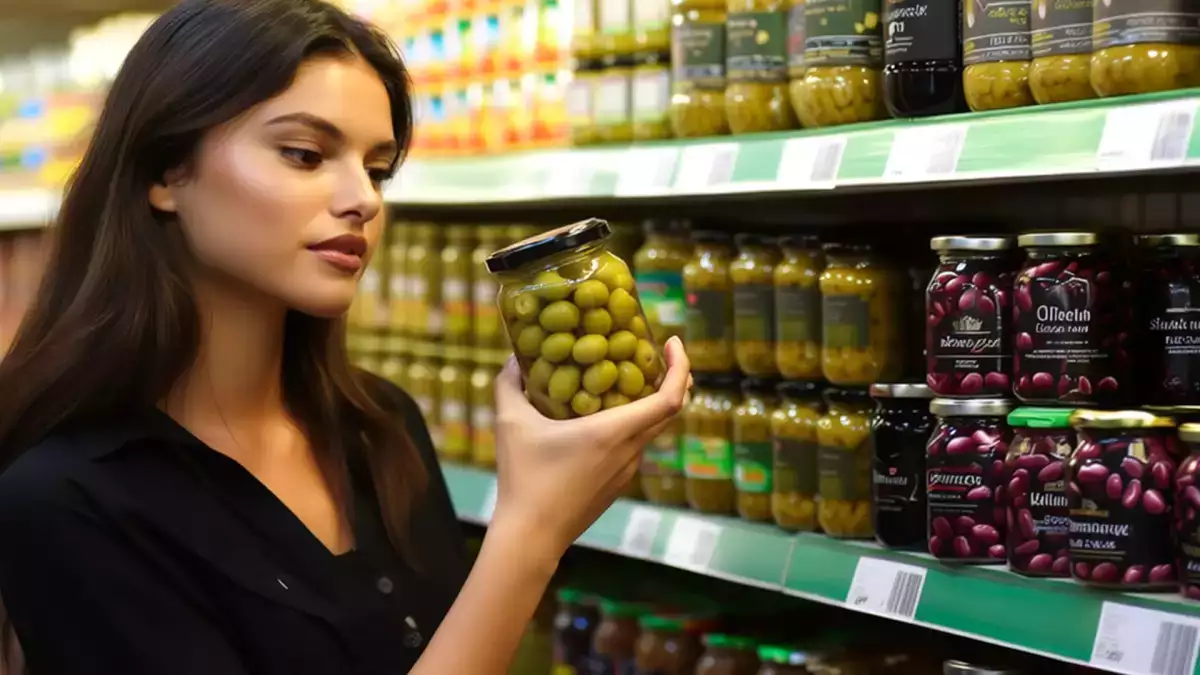
There is a curious detail that many people only notice too late: most of us realize we picked the wrong olives only after opening the jar.
The first detail almost no one checks
When buying olives, the way they are preserved already says a lot.
Olives packed in brine often keep their original flavor and texture better. On the other hand, olives that look very dark and taste almost too uniform may have gone through processing that changes their natural profile quite a bit.
Another important clue is the liquid. If it looks cloudy in an unusual way or has a strange appearance, it is worth being cautious.
Green, black, or purple: it is not just about color
Many people think color is only about looks, but it actually tells you something about ripeness.
- Green olives are usually firmer and slightly bitter.
- Purple olives tend to offer a nice balance between flavor and texture.
- Black olives are often milder and less bitter.
The right choice depends on your taste, of course, but understanding the difference can completely change the experience.
Expensive does not always mean better
A higher price does not automatically guarantee better quality.
Some brands invest more in packaging than in the product itself. That is why it is worth checking a few things before buying:
- where the olives come from
- how they were processed
- the ingredient list
As a general rule, the simpler the ingredient list, the better. If there are too many additives, it is worth taking a closer look.
The secret is on the label
This is the point most people ignore.
Words like “natural,” “selected,” or “premium” do not always mean much. What really matters is more specific information, such as:
- country or region of origin
- curing method
- presence of preservatives
These details reveal much more than the marketing on the front of the jar.
Texture and size matter too
Olives that look very soft, overly wrinkled, or tired may indicate lower quality or poor storage.
The best ones are usually:
- firm
- glossy
- consistent in texture
- pleasantly plump
It may seem like a small detail, but it makes a big difference once you actually eat them.
In the end, choosing olives is easier than it seems
Once you learn what to look for, choosing good olives stops feeling like a guessing game.
And the funny thing is that many people keep making the same mistake simply because they ignore the basics.
Next time you are at the grocery store, take a few extra seconds to look more carefully. One small detail can completely change the flavor that ends up on your table.
 Mirella Mendonça
Comments