The seven Christmas dishes that turn out better if you make them the day before
The food-safety rule that matters (and saves you)
If you cook the day before, the key isn’t just “put it in the fridge,” it’s how you cool it and how you reheat it. A big pot or roasting pan that cools very slowly spends too much time in the temperature “danger zone,” where bacteria multiply happily.
The guideline is clear:
- Cool from about 135°F to 70°F (57°C to 21°C) within 2 hours,
- then from 70°F to 40°F (21°C to 5°C) within the next 4 hours.
- Total: no more than 6 hours to get safely chilled.
To get there, skip the classic mistake of shoving a big, hot pot straight into the fridge. It cools badly and warms up everything around it. Instead:
- Divide food into shallow containers,
- let steam escape for a few minutes,
- then cover and refrigerate without leaving it out for ages.
And make sure your fridge is actually cold: around 39–41°F (4–5°C).
When reheating, the goal isn’t “lukewarm,” it’s properly hot:
- Aim for 165°F (74°C) in the center of the food,
- and for soups, sauces, or gravies: bring them all the way to a boil.
If the dish is dense, stir while reheating so the heat spreads evenly.
With that in mind, now yes: the seven dishes that love being made ahead.
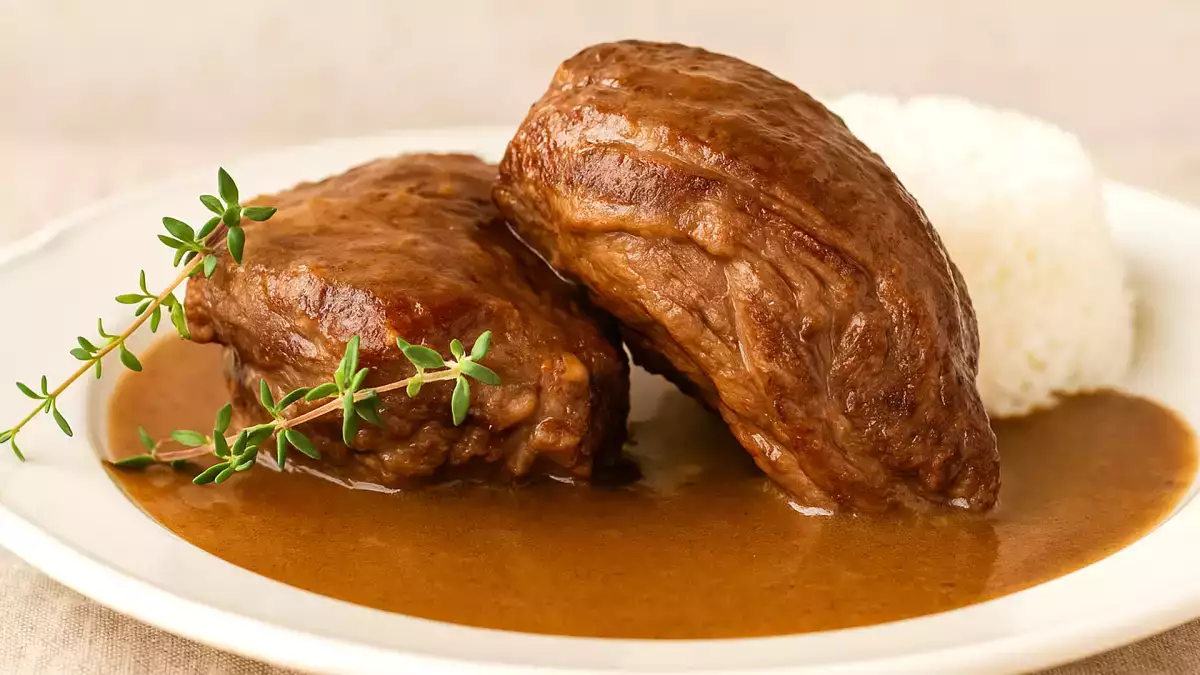
1) Red wine–braised beef cheeks
Beef cheeks are made for patience. Their magic isn’t just in slow cooking - it’s in the rest afterward. After hours on low heat, the collagen has melted, but it needs time to fully blend into the sauce. The next day, once everything has chilled, that natural gelatin sets and brings the sauce together: it’s thicker, smoother, and the flavor stops feeling “separate.”
A freshly made braise can taste good but slightly chaotic; reheated the next day, it’s deeper and more cohesive.
Tip: Turn off the heat and leave the pot uncovered for a few minutes so excess steam escapes (that way the sauce doesn’t “cook itself” while cooling). Then transfer to shallow containers for quick chilling so the gelatin doesn’t clump. When reheating, always warm the meat in its sauce so it doesn’t dry out and keeps that melt-in-your-mouth texture.
2) Oxtail (or beef shank) stew
In dishes like oxtail or beef shank, resting is practically another ingredient. These stews aren’t “finished” when you turn off the burner - they’re finished when the cold has had time to do its work.
Overnight, the fat sets on top, the gelatin firms up, and the aromas settle. When you reheat, the stew regains its silky body without feeling greasy, and the flavor becomes round and continuous. Freshly made, it can taste intense but scattershot; the next day, everything falls into place.
Tip: Once it’s completely cold, skim off the solidified fat from the surface before reheating. The stew will taste cleaner but still rich. Then warm it gently (no hard boiling) so the sauce doesn’t split and the meat doesn’t lose its juices.
3) Escabeche (chicken, fish, or vegetables in a vinegar marinade)
Escabeche is, by definition, a make-ahead technique. Vinegar, oil, and aromatics don’t work instantly; they need hours to penetrate and balance each other. A freshly made escabeche tastes half-finished, with the acidity out in front and the rest of the flavors still disorganized.
After 24 hours in the fridge, the taste becomes more harmonious, the texture settles, and the dish gains complexity. It doesn’t just “hold” well - it actually transforms, which is exactly the point.
Tip: Escabeche is easier to adjust when it’s cold. Taste it the next day and tweak the salt or add a little extra olive oil if needed. For safety, make sure the food is fully covered by the liquid, and cool it quickly before refrigerating. The vinegar helps, but it’s not magic.
4) Serious shellfish soup or bisque
A good seafood soup depends less on fancy shellfish and more on a well-built base - stock, shells, a deep sauté, and a slow reduction. And those bases love to rest.
By the next day, the flavors from the soffritto, the fish or shellfish stock, and the reduction have blended and mellowed. The cold “organizes” the broth, sharp edges disappear, and the aromatic profile becomes clearer and deeper. Reheated gently, the soup usually tastes cleaner and more precise than it did fresh off the stove, when it can still feel a bit rough around the edges.
Tip: Keep the broth and the seafood pieces separate: let the broth rest and improve, and only add the shrimp, fish, or shellfish when reheating so they don’t overcook. Chill in shallow containers, and when serving, bring the soup back to a full boil.
5) Roast lamb “in two stages” (no roulette)
Roasting lamb ahead of time isn’t sacrilege if you do it with technique. The two-stage method works:
- Roast it fully the day before.
- Cool it properly.
- Reheat and brown it before serving.
During the rest, the juices redistribute and the meat relaxes, so you lose less moisture when you warm it back up. If you finish it with a short blast of high heat, you get a more even, juicy roast. That’s not improvising, that’s planning applied to a delicate classic.
Tip: Don’t shove the whole hot roast into the fridge; that cools too slowly. Instead, separate it into large pieces with the juices so it chills quickly. The next day, reheat covered and with some moisture (a bit of stock, wine, or its own juices), then finish with a short, high-heat blast to re-crisp the outside.
6) Cannelloni and lasagna
Cannelloni and lasagna are almost always better the next day. The filling rests, the fats settle, and the flavors from the sauté and sauce blend. The béchamel, once cold, firms up, and when reheated it returns to a smoother, more even texture.
Store the pan well covered and cool it as soon as you can, ideally in layers that aren’t too thick. To serve, reheat covered first so the center gets hot, then finish with the oven or broiler to brown the top. Make sure the middle reaches at least 165°F (74°C).
7) Yule cake logs or tiramisu (layered fridge desserts)
In layered desserts, time isn’t a delay, it’s part of the recipe. Overnight, the layers hydrate evenly, the creams firm up, and the whole dessert becomes more cohesive. Freshly assembled, they can be wobbly or unbalanced; the next day, they slice cleanly and taste more put together.
Here we’re talking about safe versions: made without raw egg or with pasteurized egg products. The rest in the fridge should always be properly covered to avoid condensation, off-flavors, and cross-contamination. Take them out just a few minutes before serving; enough to soften the texture and open up the flavors without compromising safety.
Tip: Leave the final decoration (cocoa, powdered sugar, chocolate curls, fruit) for the last minute. It keeps everything looking sharp and prevents the topping from getting soggy.
In short:
Make-ahead mains and layered desserts aren’t shortcuts to feel guilty about, they’re sanity savers. With good cooling, proper reheating, and dishes that genuinely improve overnight, you can walk into Christmas or New Year’s service calm, organized, and with a fridge full of flavor already on your side.
 Patricia González
Comments