Tricks to prevent garlic from coming back
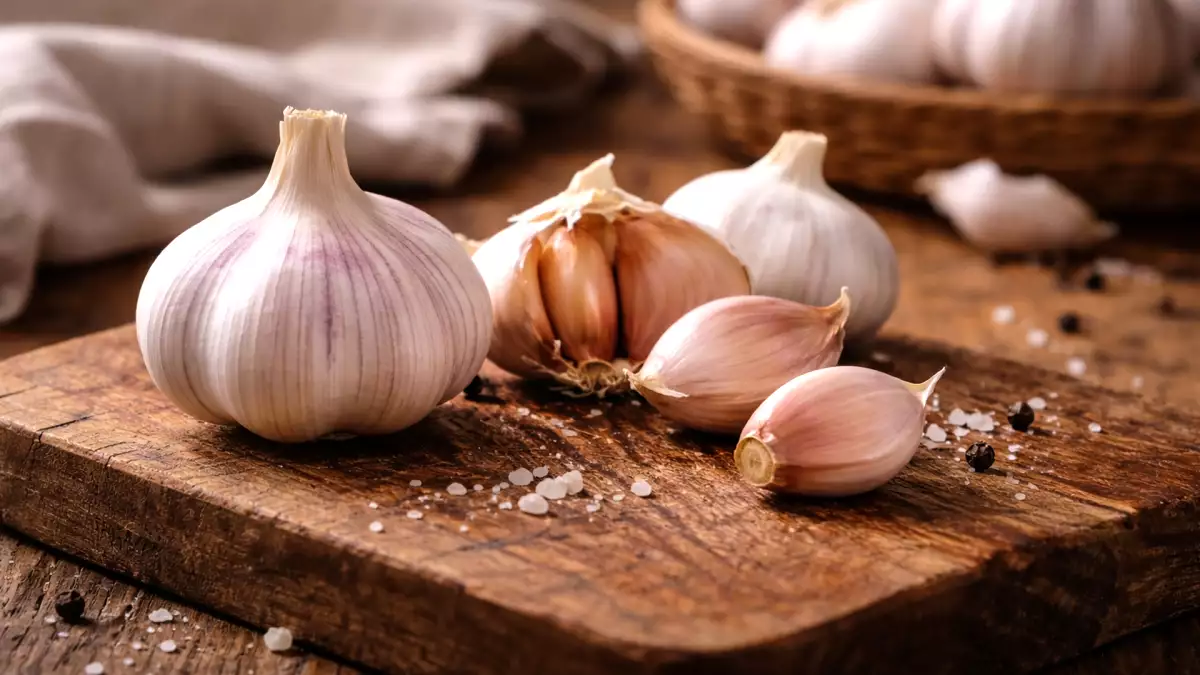
If garlic had a union, half of American kitchens would shut down the day we ran out. It’s in garlic bread, shrimp scampi, chili, marinara sauce, ranch-style dressings, roasted veggies, stir-fries, you name it. We roast it, confit it, sauté it, rub it on toast. For a lot of people, the smell of garlic hitting hot oil is one of the clearest signs that something good is about to come out of the kitchen.
And it’s not just a feeling: garlic is genuinely a national obsession. U.S. consumption has more than tripled since 1980 and now sits at around 2.5–3 pounds per person per year, including fresh and processed forms. The U.S. is also one of the top importers of garlic in the world, thanks in part to our love of dishes like garlic bread, garlic shrimp, and garlic mashed potatoes.
But every love story has a flip side. For some people, garlic - especially raw or poorly handled - “comes back” on them. Not just on the hands or the breath, but hours later, in the form of lingering taste, heartburn, or that heavy “I can still taste it” feeling. That’s uncomfortable for you… and sometimes for whoever’s sitting next to you.
The good news: you don’t have to break up with garlic. You just need better tactics. Here are some very effective tricks to help garlic not come back.
Why garlic “comes back”
Garlic is harmlessly quiet while the clove is whole. The trouble (and the magic) starts when you cut, chop, or smash it. That’s when enzymes react and create the pungent sulfur compounds that give garlic its big aroma and sharp bite. The more you break it down (and the less you cook it) the more intense and persistent it becomes.
For people with sensitive digestion or acid reflux, raw garlic is especially likely to trigger heartburn and discomfort, because these compounds can irritate the stomach and relax the lower esophageal sphincter.
From there, two things matter most:
- Your personal sensitivity (which you can’t really change), and
- Your technique (which you definitely can change).
Trick 1: Use fresh garlic (and don’t stash it for months)
Your first decision happens before the knife ever touches it. Fresh, firm heads of garlic are usually much gentler than old, dried-out ones, which tend to taste harsher and develop a stronger, more aggressive core.
If garlic often comes back on you, buy it in small amounts, more often, instead of stockpiling a giant bag you’ll use for months.
Trick 2: Switch garlic type (green garlic or black garlic)
If you’re very sensitive, two alternatives can be game-changers:
- Green/young garlic: milder and less persistent, great for quick sautés, omelets, light pastas - any dish where garlic should support, not dominate.
- Black garlic: fermented, sweet, almost balsamic. It doesn’t taste exactly like regular garlic, but it gives you a deep, complex base with far fewer “side effects” for many people.
Trick 3: Rethink the cut (whole vs. minced vs. paste)
Whole cloves are relatively discreet. Garlic paste is a megaphone.
If garlic tends to stick with you afterwards, rethink the default habit of mincing it ultra-fine every time:
- Whole or sliced cloves: flavor releases slowly and more gently.
- Finely minced or mashed to a paste: intensity and “after-effect” go way up.
Sometimes just switching from “paste” to thin slices makes a huge difference.
Trick 4: Remove the germ (helpful, but not magic)
Classic tip: split the clove and remove the little green sprout in the center. This makes sense, especially with older garlic, because the germ can taste bitter and sharp.
It can help, but let’s be honest: it’s not a miracle. If you’re prone to reflux or GI upset, taking out the germ alone usually isn’t enough to stop garlic from repeating, but it’s a useful tweak.
Trick 5: 30 seconds in the microwave (quick “taming” step)
On nights when you don’t feel like planning ahead, the microwave is your friend:
- Pop peeled cloves in for about 30 seconds on medium power.
This softens the garlic and knocks down some of its bite. It won’t turn it into long-roasted garlic, but it does make it noticeably gentler for quick sautés or sauces.
Trick 6: Roast it in the oven (creamy, sweet, friendly garlic)
Slow roasting transforms garlic completely: it becomes spreadable, sweet, and mellow. This kind of garlic melts into mashed potatoes, hummus, dressings, or pastas without “shouting” or clinging to you afterwards.
If you love garlic flavor but hate the after-effects, roasted garlic is one of the best swaps you can make.
Trick 7: Confit it (and always have gentle garlic ready)
Garlic confit is a cook’s cheat code:
- Cover peeled cloves with oil,
- cook very gently over low heat until soft and golden,
- cool and store cloves and oil in the fridge (following safe storage guidelines).
The cloves become silky and mild, and the garlic-infused oil can rescue roasted veggies, beans, eggs, or a quick bowl of pasta; often with fewer digestive consequences than raw or aggressively sautéed garlic.
Trick 8: Blanch it once - or three times (for very sensitive people)
If garlic is a recurring problem, blanching is usually the strongest remedy.
- Quick blanch:
- Drop peeled cloves into boiling water for 1 minute,
- drain and cool,
- then slice or chop and cook as usual.
- Triple blanch from cold:
- Put cloves in cold water, bring to a boil, drain.
- Repeat this process three times.
- You end up with semi-cooked, very mild garlic that still works in stews, soups, and sauces.
It’s basically turning the volume down without turning the music off.
Trick 9: Acid soak for raw garlic (dressings, marinades, cold soups)
When garlic is going in raw - think salad dressings, marinades, cold soups, or marinated fish - you can soften it without cooking:
- Finely chop or grate the garlic,
- let it sit at least 10 minutes in lemon juice or vinegar before adding oil or other ingredients.
The acidic environment tames some of the harshness and makes the garlic more polite, while keeping its character.
Trick 10: Don’t let it burn (browned ≠ better)
One last pro move: burnt garlic is never your friend. Once it gets too dark, it turns bitter and feels harsher on both palate and stomach.
If you want garlic to be kind to you:
- start it in warm, not smoking-hot oil,
- cook over medium or medium-low heat,
- pull it early - golden, not dark brown.
Bottom line
You don’t have to live in a garlic-free world just because it sometimes “comes back” on you. With fresher cloves, gentler cuts, a bit of pre-cooking, and fewer burnt bits, most people can keep all the flavor they love - and dramatically cut down on the long, uncomfortable encore.
 Patricia González
Comments