Turn salads into satisfying meals with these ingredients - stop the 4 p.m. hunger pang for good
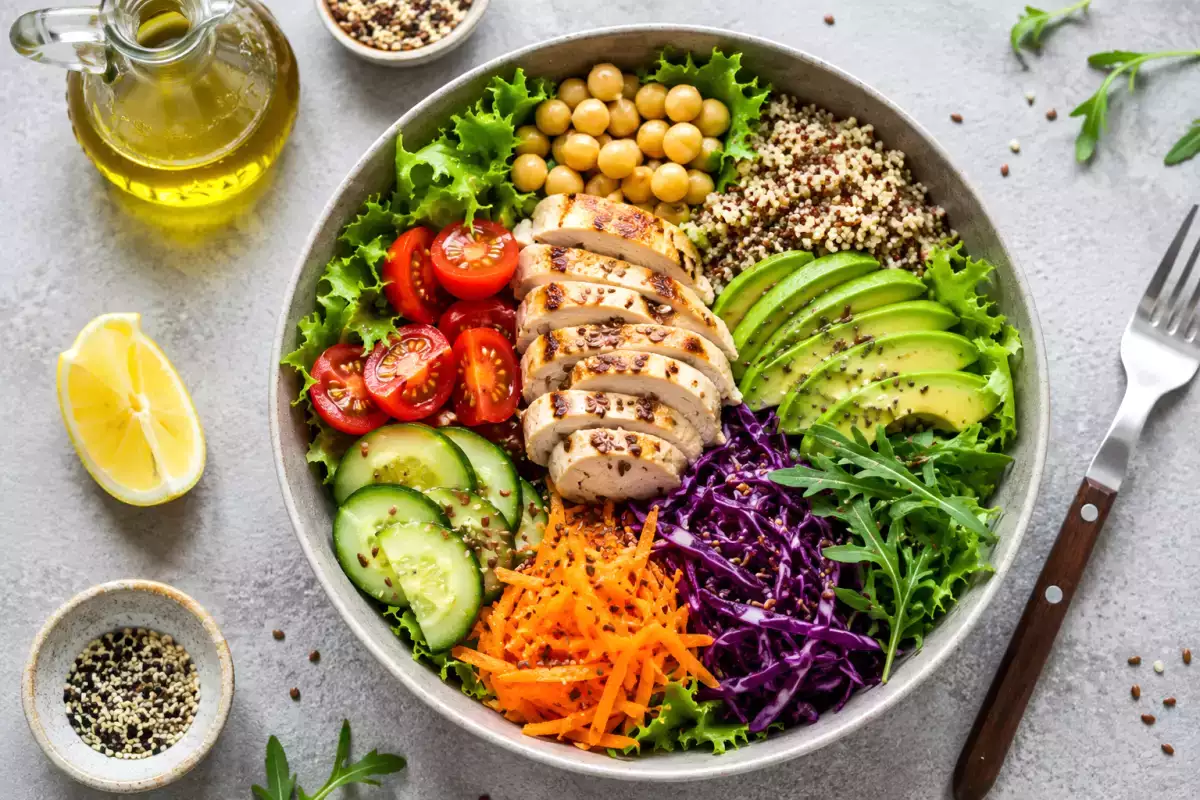
In summer, salads often become the stars of our meals. They are fresh, quick to prepare, and a great way to enjoy seasonal vegetables. But we have all had the same experience: finishing a salad at lunch and feeling like we ate well… only to be hungry again two hours later.
The problem is not the salad itself. A salad can absolutely be a complete meal, as long as it is not limited to a few lettuce leaves and cucumber slices.
To make it truly satisfying, you need to add the right ingredients: the ones that support fullness, provide steady energy, and help you make it to your next meal without reaching for a snack ;)
Protein: your best ally for staying full
This is probably the most important element.
Protein is known for being especially satisfying. It slows digestion and helps extend the feeling of fullness after a meal.
In a salad, there are plenty of options: eggs, chicken, tuna, salmon, shrimp, turkey, tofu, tempeh, cottage cheese, or fresh cheese.
Legumes: the stars of complete salads
Long associated with soups and winter comfort food, legumes are actually perfect in summer salads.
Chickpeas, lentils, black beans, white beans, or kidney beans add a pleasant texture and can turn a simple salad into a real meal.
Rich in plant-based protein and fiber, they help slow digestion and support longer-lasting fullness.
As a bonus, they usually have a moderate glycemic impact, which can help avoid those sharp energy dips that often hit in the middle of the afternoon.
Whole grains for lasting energy
Adding a source of carbs to a salad is often a very good idea.
Contrary to what some people think, carbohydrates are not the enemy of a balanced diet. They provide the energy your body needs.
The trick is simply to choose whole-grain or fiber-rich options when possible.
Quinoa, bulgur, brown rice, farro, barley, or whole-wheat pasta bring more fiber than refined versions. The result: slower digestion and a longer-lasting feeling of fullness.
Avocado: the fat that helps
Avocado is often loved for its rich, creamy texture, but it has another advantage too.
Thanks to its fiber and unsaturated fats, it helps slow stomach emptying and can help extend satiety.
That is one reason it appears so often in more filling salads.
Its creaminess also makes a salad feel more generous without needing to add a large amount of dressing.
Nuts and seeds for crunch and fullness
Almonds, walnuts, hazelnuts, pistachios, cashews, and pumpkin seeds bring much more than just crunch.
These foods contain fiber, plant-based protein, and healthy fats. A small handful is often enough to make a salad much more satisfying.
Sunflower seeds, pumpkin seeds, and sesame seeds also work beautifully and add a really pleasant texture.
Cheese can have its place too
Feta, mozzarella, goat cheese, Parmesan, or cottage cheese can fit perfectly into a balanced salad.
Beyond flavor, they bring protein, which contributes to fullness.
Of course, you do not need a huge amount. A few pieces are often enough to enrich the meal while also adding pleasure, which matters too when you want to eat well in a sustainable way.
Fiber-rich vegetables are essential
Even though protein and carbs play a major role, vegetables are still essential.
Cucumber, carrots, red cabbage, bell peppers, green beans, broccoli, radishes, and leafy greens add volume to the meal without making it heavy.
Their water and fiber content also help support fullness.
The more varied your vegetables are, the more enjoyable your salad will be and the more likely it is to keep you satisfied until your next meal.
Dressing matters too
We sometimes forget it, but dressing also plays a role.
A vinaigrette made with olive oil, avocado oil, canola oil, or walnut oil adds fats that can also help with satiety.
A salad with no fat at all is often less satisfying and less enjoyable to eat.
The idea is not to drown the salad in dressing, but simply not to remove fat completely.
The winning formula for a salad that actually fills you up
If you want to build a satisfying salad, remember this simple rule: always combine a source of protein, a source of fiber, and a small amount of healthy fat.
For example: mixed vegetables, chickpeas or chicken, a little quinoa, and a few walnuts. Or raw vegetables, eggs, avocado, and a sprinkle of seeds.
With this combination, your salad will no longer feel like just a starter or side dish. It will become a real meal that keeps you full for longer!
 Adèle Peyches
Comments