Want the perfect Christmas tenderloin? Start by avoiding these common mistakes that ruin everything
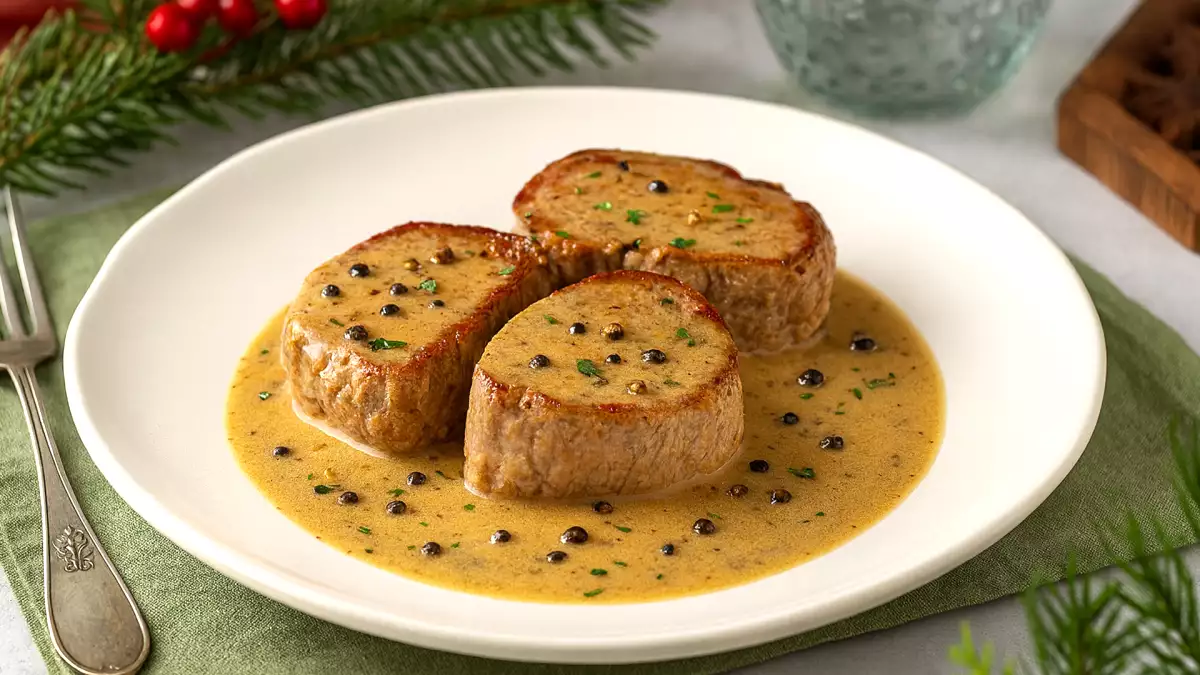
There are cuts of meat that intimidate us more than we’d ever admit out loud. Tenderloin (pork or beef, doesn’t matter) is one of them. And when we’re talking about medallions, even more so: they look easy, they cook “in no time,” but they’re unforgiving. One small mistake and what should have been tender and juicy turns dry, bland, and frankly disappointing.
In a lot of homes, tenderloin medallions are that “safe bet” that shows up every December like a wild card against the holiday chaos. Sometimes we serve them with whisky sauce, other times it’s pepper sauce or a smooth purée on the side. The funny thing is, for a dish that’s so popular, it’s very easy to repeat the same mistakes year after year. Not for lack of effort, but because this cut has a personality. It looks gentle, but it punishes carelessness fast.
This guide is about exactly that: cooking better, more reliable tenderloin medallions.
Cooking medallions straight from the fridge
Going from fridge-cold to hot pan with zero in-between is one of the most common mistakes. Very cold meat takes longer to warm up in the center, which forces you to keep it on the heat longer. The result?
- The outside ends up overcooked.
- The inside loses juiciness and the fibers tighten up.
With small pieces like medallions, this shows even more than with a roast: the line between “perfect” and “too dry” can literally be a couple of minutes.
The fix is simple and very doable at home:
Take the medallions out of the fridge 15–20 minutes before cooking (a little less if your kitchen is very warm) and cover them lightly so they’re not exposed. They don’t need to be fully at room temperature, just not icy cold. That little window is enough to help them cook more evenly and reach the right doneness without overcooking.
2. Skipping the sear
With tenderloin medallions, we often think it’s enough to just “throw them in the pan for a bit” and that’s it. But it’s not the same to cook them in a lukewarm skillet as it is to really sear them.
Searing means:
- Preheating the skillet or griddle until it’s very hot before the meat touches it.
- Not moving the medallion right away: letting a good crust form.
- Flipping it with confidence, not turning it every ten seconds.
That quick, intense browning creates a flavorful crust that locks in juices and deepens flavor. A pale medallion that goes straight into a sauce arrives at the table with less character. A well-seared medallion, on the other hand, goes into the final cooking stage already ahead: more flavorful, firmer, and with a better texture.
After that, you can decide if you want to finish it with a splash of wine in the same pan, pop it into the oven for a minute, or just serve it as is... but the serious flavor starts in the pan.
3. Treating tenderloin like a tough cut
Tenderloin is not a cut for long, slow cooking “until it softens”. With medallions, this is critical: they don’t have collagen to melt into gelatin and they’re not meant to fall apart.
If you let them simmer in sauce for twenty minutes, they don’t turn silky, they turn dry.
The right sequence looks more like this:
- Sear the medallions in a hot pan.
- Make the sauce separately (or in the same pan once you’ve removed the meat).
- Add the medallions back into the sauce just for a few minutes over low heat, so they pick up flavor without overcooking. Or simply spoon the finished sauce over them off the heat.
Your best ally here is the internal temperature:
- Pork tenderloin medallions: aim for around 62–68 ºC (144–154 ºF) in the center, depending on how done you like them. Below that, the texture is great, but be mindful that most official guidelines recommend cooking pork through.
- Beef tenderloin medallions: for a pink center, shoot for 52–58 ºC (126–136 ºF) inside.
If you want to play it safe, use a kitchen thermometer. They’re cheap, low-profile, and they save you from guessing on a cut that isn’t exactly inexpensive.
4. Seasoning poorly
Salt does two things at once: it draws out moisture and boosts flavor. With tenderloin medallions, the balance matters.
A few clear rules:
- Salt the medallions right before searing or just a couple of minutes beforehand. Not half an hour in advance.
- That early salting helps browning (Maillard reaction) and crust formation.
- Don’t go overboard: tenderloin is a lean cut and doesn’t absorb like fattier meats do. It’s better to be slightly conservative and adjust seasoning in the sauce or at the table than to oversalt from the start.
If you want to refine things further, you can combine salt and freshly cracked pepper right before they hit the pan. But always when the meat is ready to cook, not when it’s going to sit on the counter.
5. Serving them straight from the heat
It doesn’t matter if your tenderloin has been cooked in the oven or in a pan: in both cases, there’s one crucial step: resting.
When a medallion comes off the heat, the juices inside are moving. If you slice or poke it right away, a good part of that juice ends up on the cutting board or plate instead of in your mouth. Even though the pieces are small, resting still matters.
What to do:
- Let the medallions rest 3–5 minutes on a warm plate, lightly covered with aluminum foil (not tightly wrapped, so they don’t steam and sweat too much).
That short rest lets the juices redistribute and the fibers relax. You’ll notice the difference even in the simplest recipes: the very same tenderloin, with and without resting, feels like two completely different cuts.
6. Trusting the sauce to “fix” everything
Around the holidays, we tend to think a great sauce can save any main course. With tenderloin medallions, it’s the opposite: the sauce supports, it doesn’t resurrect.
If the meat is overcooked, dry, or has been simmering away in sauce until every hint of pink is gone… no perfect blue cheese sauce, no flambéed whisky is going to bring the juiciness back.
Want foolproof tenderloin this holiday season?
Tenderloin is actually a very “grateful” cut, as long as you treat it gently: let it lose the chill before cooking, sear it properly, avoid long cooking times, and keep an eye on doneness. There’s no big secret behind it.
Save this guide, share it with whoever’s cooking at home, and keep it handy when the time comes. With just a couple of tweaks to your routine, your tenderloin medallions can become the dish everyone remembers from the holiday table.
 Patricia González
Comments